Kenya’s Protest Crackdown Sparks Global Concern Over Human Rights and Political Stability
-

- July 28th, 2026
- 13 views

FREE SEO Topical Map Generator: Find Your Next Content Ideas
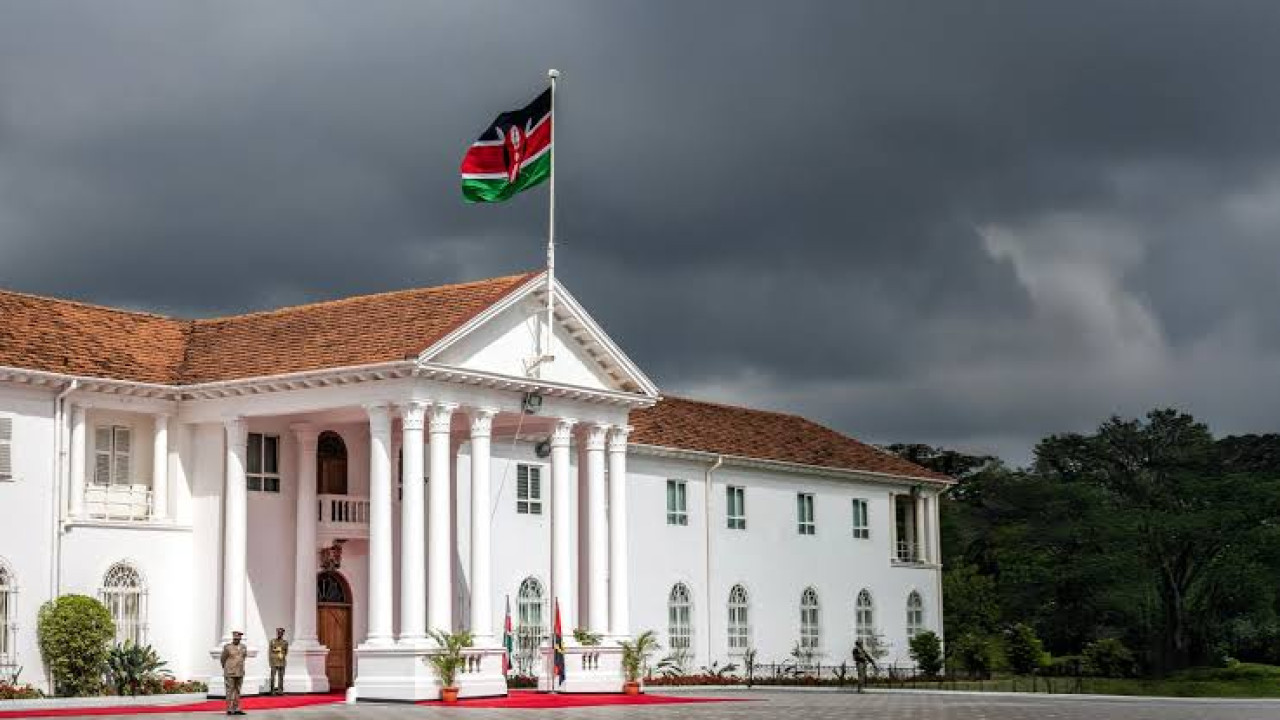
Kenya's ongoing wave of anti-government protests has intensified concerns over human rights, democratic governance, and regional stability. As demonstrations continue across major cities, rights organisations have accused security forces of using excessive force, carrying out arbitrary arrests, and subjecting some detainees to torture before allegedly abandoning them in remote locations after their release. While authorities maintain that security operations are aimed at restoring public order, the allegations have drawn growing international scrutiny.
The latest developments reflect more than a domestic political crisis. They highlight broader challenges facing democratic institutions in East Africa, where governments are increasingly balancing public security with constitutional freedoms. The situation has also renewed debate over police accountability, judicial independence, and the protection of civil liberties during periods of political unrest.
Growing Tensions Between Protesters and the State
The demonstrations emerged from public dissatisfaction over economic pressures, governance concerns, taxation policies, and demands for greater political accountability. What began as peaceful protests gradually evolved into repeated confrontations between demonstrators and security personnel.
Human rights organisations claim that several individuals detained during the protests later reported physical abuse, intimidation, and unlawful treatment while in custody. Some accounts allege that detainees were released far from urban centres, forcing them to find their way home without assistance. These reports have fuelled calls for transparent investigations and stronger oversight of law enforcement agencies.
Government officials have defended police operations, arguing that security forces must respond to incidents of violence, vandalism, and threats to public safety. However, critics contend that maintaining order should never come at the expense of fundamental human rights guaranteed under Kenya's constitution.
Human Rights Under Increasing Scrutiny
The allegations have prompted renewed attention from domestic and international human rights advocates, who argue that any claims of torture, enforced disappearances, or arbitrary detention require independent investigation. Rights groups have urged authorities to strengthen accountability mechanisms and ensure that security personnel operate within the framework of national and international law.
The issue extends beyond individual cases. It raises wider questions about institutional transparency, civilian oversight of police forces, and public trust in democratic governance. How Kenya addresses these allegations may influence both its domestic political environment and its international reputation.
Regional and Geopolitical Implications
Kenya remains one of East Africa's most influential economies and diplomatic actors. It plays a central role in regional peace initiatives, counterterrorism cooperation, and economic integration through the East African Community. Political instability at home therefore carries implications that extend beyond national borders.
International investors closely monitor governance standards when assessing long-term economic opportunities. Prolonged unrest or concerns over human rights could influence investor confidence, tourism, foreign direct investment, and broader perceptions of political risk.
At the same time, Kenya's strategic partnerships with Western governments, regional organisations, and multilateral institutions place additional focus on how the country responds to allegations involving civil liberties and democratic governance.
Economic Pressures Continue to Fuel Public Anger
Economic hardship remains one of the principal drivers behind the demonstrations. Rising living costs, unemployment, inflation, and controversial fiscal measures have intensified frustration among many citizens. Protesters argue that economic reforms should prioritise affordability, job creation, and social protection rather than increasing financial burdens on households.
These economic concerns have merged with broader demands for transparency, accountability, and institutional reform, transforming the protests into a wider debate over governance and public trust.
International Reactions
International observers continue to encourage dialogue between political leaders, civil society organisations, and protesters to prevent further escalation. Calls for independent investigations into allegations of abuse have become increasingly common, alongside appeals for restraint from both demonstrators and security forces.
Many analysts argue that peaceful engagement and credible legal processes remain essential for restoring confidence in democratic institutions while avoiding further instability.
The Road Ahead
Kenya now faces the challenge of balancing national security with the protection of constitutional rights. The government's response to allegations of detainee abuse will likely shape both domestic political developments and international perceptions in the months ahead.
Sustainable stability will depend not only on restoring public order but also on strengthening accountability, protecting civil liberties, and addressing the underlying economic and political grievances driving public protests. Transparent investigations, judicial oversight, and meaningful political dialogue will be critical in rebuilding public confidence.
As East Africa's largest diplomatic and economic hub, Kenya's ability to navigate this crisis will carry significant implications for regional governance, democratic resilience, and long-term political stability. At Geo Pulse Lab, we continue to analyse how evolving political developments, human rights concerns, and governance challenges influence the broader geopolitical landscape across Africa and beyond.