Middle East Tensions Escalate After Reported Iran–U.S. Strikes and Attack on Bahrain
-

- July 08th, 2026
- 24 views

FREE SEO Topical Map Generator: Find Your Next Content Ideas
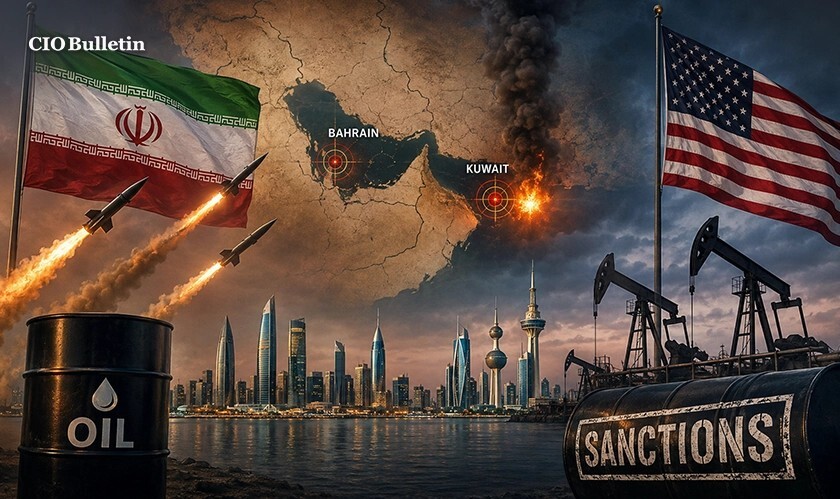
The Middle East has once again become the focal point of global attention following reports of escalating military exchanges involving Iran, the United States, and Bahrain. The latest developments have heightened concerns over regional security, international diplomacy, global energy supplies, and maritime trade routes that are vital to the world economy. As featured by CIO Bulletin, the rapidly evolving situation demonstrates how geopolitical conflicts now extend beyond conventional warfare, affecting cybersecurity, financial markets, supply chains, and international business operations.
Governments around the world are closely monitoring the situation while urging restraint to prevent further escalation. Analysts warn that prolonged military tensions could disrupt regional stability, influence global oil prices, and create uncertainty across international markets. The crisis also highlights the growing importance of diplomatic engagement and technological preparedness in responding to modern security challenges.
Escalating Military Activity Raises Regional Concerns
Recent reports indicate an increase in military activity across several parts of the Gulf region, prompting heightened alert levels among neighboring countries and international partners.
Security analysts are carefully observing:
- Military deployments
- Air defense operations
- Missile interception systems
- Naval movements
- Intelligence sharing
- Civil aviation advisories
The Middle East remains one of the world's most strategically significant regions, making every military development important not only for local governments but also for global businesses and financial markets.
Several countries have increased surveillance and defensive readiness while maintaining communication with international allies to avoid unintended escalation.
Bahrain's Strategic Role in Gulf Security
Bahrain occupies a highly strategic position within the Persian Gulf and serves as an important center for regional security cooperation.
The country contributes significantly to:
- Maritime security
- Regional defense coordination
- International shipping protection
- Financial services
- Energy logistics
- Diplomatic engagement
Because of its geographic location, any security-related developments involving Bahrain attract immediate global attention.
International observers note that maintaining stability in Bahrain is essential for preserving commercial confidence throughout the Gulf region.
Impact on Global Energy Markets
One of the immediate consequences of rising geopolitical tensions is increased volatility in global energy markets.
The Gulf region accounts for a substantial portion of the world's oil exports, making any disruption a matter of international concern.
Energy traders continue monitoring:
- Crude oil exports
- Natural gas shipments
- Pipeline operations
- Offshore infrastructure
- Refinery production
- Global inventory levels
Even when production facilities remain unaffected, uncertainty surrounding regional security often leads to fluctuations in energy prices as markets respond to perceived risks.
Oil-importing nations are also evaluating contingency plans to ensure supply stability should transportation routes experience disruptions.
Strait of Hormuz Remains Critical
The Strait of Hormuz continues to play a central role in global energy security.
Each day, millions of barrels of crude oil and liquefied natural gas pass through this narrow maritime corridor connecting Gulf producers with international markets.
Its strategic importance includes:
- Global oil transportation
- LNG exports
- International shipping
- Commercial trade
- Regional energy security
Any increase in military activity near the Strait immediately attracts worldwide attention because disruptions could significantly affect fuel prices, shipping schedules, and global supply chains.
Shipping companies continue monitoring navigation advisories while coordinating closely with international maritime authorities.
Cybersecurity Becomes Part of Modern Warfare
Modern geopolitical conflicts increasingly involve digital infrastructure alongside traditional military operations.
Governments and businesses are strengthening cybersecurity measures against potential:
- Cyberattacks
- Data breaches
- Critical infrastructure disruptions
- Financial system threats
- Communications interference
- Supply chain vulnerabilities
Critical sectors such as banking, telecommunications, transportation, healthcare, and energy have increased monitoring of their digital systems.
Cybersecurity experts emphasize that resilience planning has become just as important as physical security in today's interconnected global economy.
Financial Markets React to Uncertainty
Global financial markets traditionally respond cautiously during periods of geopolitical instability.
Investors are closely evaluating developments across sectors including:
- Energy
- Defense
- Aviation
- Shipping
- Insurance
- Technology
Periods of heightened geopolitical uncertainty often lead to increased market volatility as investors reassess risks associated with international trade, commodity prices, and regional stability.
Companies with global operations are also reviewing business continuity plans to ensure operational resilience should tensions continue.
Businesses Focus on Risk Management
International corporations operating across the Middle East have strengthened their contingency planning.
Organizations are reviewing:
- Supply chain resilience
- Employee safety protocols
- Logistics planning
- Cybersecurity readiness
- Alternative transportation routes
- Business continuity strategies
Multinational companies increasingly integrate geopolitical risk assessments into long-term operational planning, recognizing that regional conflicts can quickly influence global business performance.
Technology has enabled organizations to monitor developments in real time while improving crisis response capabilities.
International Diplomacy Takes Center Stage
Despite the heightened military tensions, diplomatic engagement continues across multiple international channels.
Governments and international organizations are encouraging:
- Peaceful negotiations
- De-escalation efforts
- Regional dialogue
- Protection of civilian populations
- Freedom of maritime navigation
- Compliance with international law
Diplomatic initiatives remain essential in preventing misunderstandings from developing into broader regional conflicts.
Many global leaders continue emphasizing that sustained dialogue offers the best path toward long-term regional stability.
Technology Strengthens Modern Security Operations
Advances in technology have transformed how governments respond to evolving security challenges.
Modern defense and security agencies increasingly utilize:
- Artificial intelligence
- Satellite surveillance
- Real-time intelligence analysis
- Advanced radar systems
- Drone monitoring
- Predictive threat analytics
These technologies improve situational awareness while enabling faster and more informed decision-making during rapidly changing geopolitical events.
Artificial intelligence is also assisting intelligence agencies in identifying emerging risks through advanced data analysis.
Long-Term Implications for the Global Economy
Beyond immediate security concerns, prolonged regional instability could influence broader economic trends.
Potential long-term effects include:
- Higher shipping costs
- Increased insurance premiums
- Supply chain adjustments
- Commodity price volatility
- Greater investment in cybersecurity
- Expanded defense spending
Businesses may also accelerate diversification strategies to reduce dependence on high-risk regions while strengthening operational flexibility.
Governments are expected to continue investing in energy security, digital infrastructure protection, and international partnerships to reduce future vulnerabilities.
Conclusion
The latest developments involving Iran, the United States, and Bahrain illustrate how geopolitical events can rapidly influence regional stability, global energy markets, cybersecurity, and international business operations. While the situation continues to evolve, governments, businesses, and investors remain focused on diplomatic efforts, risk management, and technological preparedness.
The coming weeks will be critical in determining whether diplomatic initiatives succeed in reducing tensions or whether further escalation creates additional challenges for global markets. As geopolitical uncertainty continues shaping international affairs, organizations across every sector must remain prepared for an increasingly interconnected security environment.
👉 Read the complete published article here: https://ciobulletin.com/security/iranus-strikes-fuel-middle-east-tensions-as-iran-hits-bahrain
👉 Follow CIO Bulletin for the latest updates on global security, cybersecurity, geopolitics, digital transformation, technology leadership, and international business news.