
Nigeria’s Economy Faces Fresh Challenges as IMF Encourages Structural Reforms
-

- July 01st, 2026
- 26 views

FREE SEO Topical Map Generator: Find Your Next Content Ideas
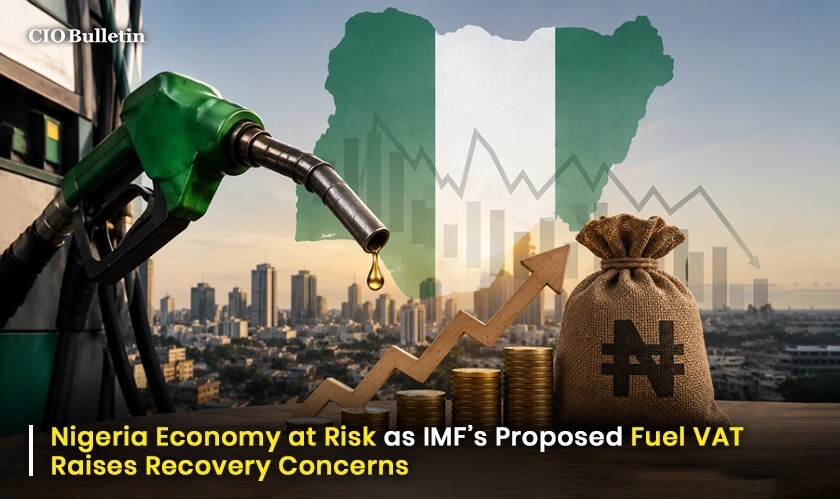
Nigeria’s economy is entering another critical phase as the International Monetary Fund continues encouraging structural reforms aimed at strengthening long-term economic stability. The recommendations come as Africa’s largest economy works to manage inflation, improve fiscal sustainability, attract foreign investment, and support inclusive growth. As featured by CIO Bulletin, the latest developments highlight the complex balance between implementing economic reforms and maintaining social and business confidence during a period of global economic uncertainty.
IMF Highlights Reform Priorities
The IMF has consistently emphasized that comprehensive structural reforms can help Nigeria strengthen its economic foundation while improving resilience against external shocks. According to recent assessments, reform priorities include enhancing fiscal discipline, improving revenue generation, strengthening public financial management, and creating a more competitive business environment. These measures are intended to support sustainable economic growth over the long term while improving investor confidence.
Among the key areas receiving attention are:
- Fiscal sustainability
- Tax system modernization
- Public sector efficiency
- Exchange rate stability
- Inflation management
- Investment climate improvements
Economists note that many of these reforms require careful implementation to balance economic objectives with social considerations.
Inflation and Cost-of-Living Concerns
One of Nigeria's most significant economic challenges remains elevated inflation, which continues to affect households and businesses alike.
Higher prices have increased costs for:
- Food products
- Transportation
- Energy
- Manufacturing inputs
- Consumer goods
Businesses are also facing increased operating expenses, making productivity improvements and financial planning increasingly important.
Addressing inflation remains a central objective of broader economic reform efforts.
Strengthening Investor Confidence
Foreign and domestic investment play an essential role in supporting Nigeria's long-term economic development.
Policy reforms designed to improve investor confidence often focus on:
- Regulatory transparency
- Stable monetary policy
- Infrastructure development
- Digital transformation
- Private-sector growth
International investors generally seek predictable policy environments that encourage long-term capital investment and business expansion.
Successful reforms could strengthen Nigeria's position as one of Africa's leading investment destinations.
Digital Economy Continues Expanding
Beyond traditional industries, Nigeria's digital economy remains one of the country's fastest-growing sectors.
Growth areas include:
- Financial technology (FinTech)
- Telecommunications
- Digital payments
- E-commerce
- Artificial intelligence
- Technology startups
Continued investment in digital infrastructure is expected to support economic diversification while creating new employment opportunities across multiple industries.
Technology-driven growth has become an increasingly important pillar of Nigeria's broader economic strategy.
Fiscal Reforms Aim for Long-Term Stability
Fiscal reform remains central to improving government finances.
Policy discussions continue focusing on:
- Revenue diversification
- Public spending efficiency
- Debt sustainability
- Tax administration
- Budget management
Economic experts emphasize that stronger fiscal frameworks can improve resilience during periods of global economic volatility while supporting sustainable public investment.
Long-term stability often depends on consistent implementation of transparent fiscal policies.
Private Sector Seen as Key Growth Driver
Nigeria's private sector continues playing a vital role in economic expansion.
Business leaders have emphasized the importance of:
- Easier access to financing
- Regulatory consistency
- Infrastructure improvements
- Skilled workforce development
- Innovation support
Creating an environment that encourages entrepreneurship and business investment remains a major objective of ongoing reform efforts.
A stronger private sector can contribute significantly to job creation and economic diversification.
Global Economic Conditions Add Pressure
Nigeria's economy is also influenced by broader international developments.
External factors include:
- Commodity price movements
- Global interest rates
- International trade conditions
- Currency fluctuations
- Foreign investment trends
These global dynamics make domestic economic resilience increasingly important as governments respond to changing international market conditions.
Diversifying economic activity can help reduce vulnerability to external shocks over time.
Opportunities for Long-Term Growth
Despite current challenges, Nigeria continues to possess significant economic strengths.
These include:
- A large and youthful population
- Expanding consumer markets
- Natural resources
- Growing technology ecosystem
- Regional trade opportunities
Many analysts believe sustained structural reforms combined with continued private-sector investment could unlock substantial long-term economic potential.
The country's growing digital economy is frequently cited as one of its strongest future growth engines.
Looking Ahead
Economic reforms typically require time before measurable results become fully visible.
Future priorities may include:
- Continued macroeconomic stability
- Inflation reduction
- Employment growth
- Infrastructure investment
- Digital innovation
- Improved business competitiveness
Successful implementation will likely depend on coordinated efforts involving government institutions, businesses, financial organizations, and international development partners.
Conclusion
Nigeria's economy stands at an important crossroads as structural reforms continue shaping its long-term development strategy. While challenges including inflation, fiscal pressures, and global economic uncertainty remain, ongoing reform efforts seek to strengthen economic resilience, improve investor confidence, and support sustainable growth.
As policymakers continue balancing reform objectives with economic stability, Nigeria's progress will remain closely watched by investors, businesses, and international financial institutions. The country's ability to successfully implement these changes could significantly influence its future role as one of Africa's leading economies.
👉 Read the complete published article here: https://ciobulletin.com/telecom/nigeria-economy-faces-new-pressure-as-imf-pushes-reforms
👉 Follow CIO Bulletin for the latest updates on global economics, financial markets, technology, telecommunications, digital transformation, and international business news.