
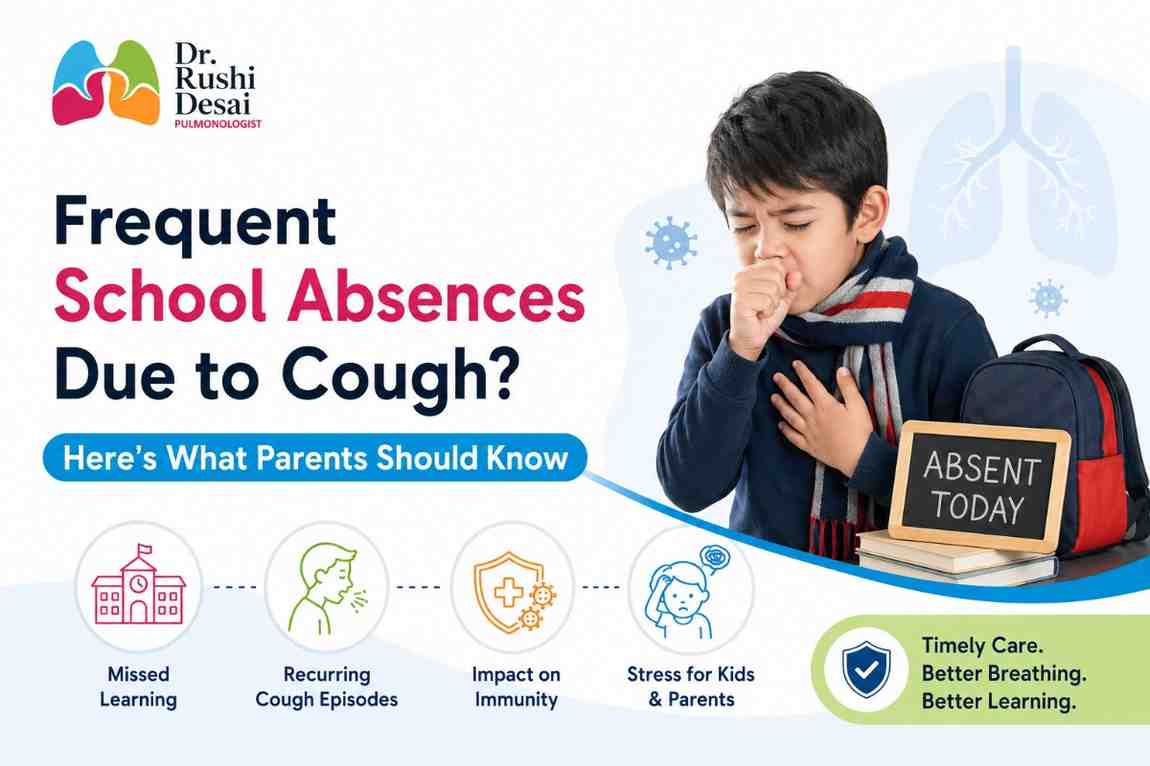
Frequent School Absences Due to Cough? Here's What Parents Should Know
-

- July 23rd, 2026
- 37 views

FREE SEO Topical Map Generator: Find Your Next Content Ideas
Every parent expects their child to catch a cold occasionally. Schools, playgrounds, and social activities naturally expose children to viruses throughout the year. However, when a child repeatedly misses school because of coughing, it often raises an important question for parents:
Why does the cough keep coming back?
A persistent or recurring cough can affect much more than a child's physical health. Beyond missed classroom time, it can impact academic performance, friendships, extracurricular activities, and overall confidence. While repeated infections are common during childhood, ongoing coughing may sometimes indicate an underlying respiratory condition such as Childhood Asthma, allergies, or airway sensitivity.
Understanding when a recurring cough deserves closer attention can help parents make informed decisions about their child's health and well-being.
Why Recurrent Coughing Shouldn't Be Ignored
Most coughs caused by viral infections improve within a few days or weeks. However, if a child repeatedly develops a cough that lingers long after the infection has resolved, there may be an underlying reason.
Children with sensitive airways often experience coughing more frequently than their peers. What initially appears to be a simple cold can trigger airway inflammation that lasts much longer than expected.
Warning Signs Parents Should Watch For
- Frequent school absences due to coughing
- Recurring cough after every cold
- Persistent nighttime coughing
- Wheezing or whistling sounds while breathing
- Breathlessness during sports or play
- Seasonal breathing difficulties
- Recurrent chest congestion
- Complaints of chest tightness
These symptoms may develop gradually, making them easy to overlook. Parents may simply assume their child is "always catching something" when there could be an underlying respiratory issue requiring attention.
The Hidden Impact of Missing School
When a child misses school repeatedly because of respiratory symptoms, the effects often extend beyond physical discomfort.
Academic Challenges
Regular absences can make it difficult for children to keep up with lessons, assignments, and classroom discussions. Even a few missed days each month can create gaps in learning that become harder to overcome as the school year progresses.
Social Development
School is not just about academics. It is also where children build friendships, learn teamwork, and develop communication skills. Frequent absences may cause children to feel disconnected from their classmates and social circles.
Reduced Participation in Activities
Many children with recurring coughs begin avoiding sports, physical education classes, and outdoor activities. They may feel embarrassed by constant coughing or worry that physical activity will make their symptoms worse.
Emotional Well-Being
When a child regularly misses school or struggles to participate in everyday activities, it can affect self-confidence. Some children may become frustrated or anxious because they feel different from their friends.
Could Childhood Asthma Be the Underlying Cause?
One of the most common causes of recurring cough in school-age children is Childhood Asthma.
Many parents associate asthma only with obvious wheezing and severe breathing difficulty. However, asthma does not always present in the same way. Some children experience frequent coughing as their primary symptom, particularly at night or after physical activity.
Common Signs of Childhood Asthma
- Recurrent coughing
- Nighttime cough that disrupts sleep
- Wheezing
- Shortness of breath
- Chest tightness
- Coughing after running or exercise
- Symptoms that worsen during weather changes
Because symptoms can vary from child to child, Childhood Asthma is sometimes overlooked during the early stages.
Common Triggers That Can Worsen Coughing
Understanding triggers can help parents identify patterns and provide valuable information to healthcare providers.
Dust and Dust Mites
Dust mites commonly accumulate in bedding, carpets, curtains, and stuffed toys. These allergens can irritate sensitive airways and contribute to coughing.
Air Pollution
Traffic pollution, construction dust, and smoke exposure may worsen respiratory symptoms in some children.
Viral Infections
Common colds are among the most frequent triggers for respiratory flare-ups in children with airway sensitivity.
Seasonal Allergens
Pollen levels often increase during specific seasons and may contribute to coughing, sneezing, and breathing difficulties.
Weather Changes
Cold air and sudden temperature fluctuations can affect children with sensitive lungs and airways.
Pet Dander
Hair and skin particles from pets can trigger symptoms in susceptible children.
Practical Ways Parents Can Support Respiratory Health
While identifying the underlying cause is important, there are several steps parents can take to help support their child's respiratory wellness.
Track Symptoms Carefully
Keep a simple record of:
- When coughing occurs
- Activities that trigger symptoms
- Seasonal patterns
- Nighttime symptoms
- Days missed from school
- Exposure to potential allergens
This information can help identify trends that may otherwise go unnoticed.
Improve Indoor Air Quality
Creating a cleaner home environment may help reduce respiratory irritation.
Helpful Tips
- Avoid smoking inside the home
- Clean air-conditioning filters regularly
- Wash bedding frequently
- Reduce dust accumulation
- Ensure proper ventilation
Encourage Healthy Habits
Healthy lifestyle practices can support overall lung health.
- Encourage regular hydration
- Provide balanced nutrition
- Promote age-appropriate physical activity
- Maintain consistent sleep routines
- Reduce exposure to smoke and pollutants
When Should Parents Consult a Specialist?
Occasional coughing is a normal part of childhood. However, professional evaluation may be beneficial when:
- A cough repeatedly disrupts school attendance
- Symptoms return after every infection
- Breathing difficulties occur during play
- Nighttime coughing is common
- Wheezing develops
- Symptoms interfere with daily life
An experienced Pulmonologist in Ahmedabad can evaluate whether symptoms are linked to allergies, infections, airway sensitivity, or Childhood Asthma.
Early assessment can provide answers, reduce uncertainty, and help parents understand the best approach for their child's respiratory health.
Conclusion
Missing school occasionally because of a cold is a normal part of growing up. However, when coughing becomes a recurring reason for school absences, it deserves closer attention. A persistent cough may be more than just repeated infections—it could be a sign of an underlying respiratory condition affecting your child's quality of life.
By paying attention to symptoms, identifying possible triggers, and seeking timely medical advice, parents can take proactive steps toward protecting their child's lung health. Early recognition of Childhood Asthma and other respiratory conditions can help children stay active, confident, and fully engaged in both school and everyday life.
Is your child missing school frequently because of a recurring cough, wheezing, or breathing difficulties?
Schedule a consultation with Dr. Rushi Desai, a trusted Pulmonologist in Ahmedabad, for expert evaluation of persistent cough and Childhood Asthma symptoms.
Early attention to respiratory symptoms can help your child breathe easier, stay healthier, and enjoy a more active childhood.