Porcelain Countertops: Where Modern Engineering Meets Timeless Design
-

- August 01st, 2026
- 32 views

FREE SEO Topical Map Generator: Find Your Next Content Ideas
Countertop materials have come a long way from the days when granite and marble were the only "premium" options on the table. Porcelain has emerged as one of the fastest-growing surface materials in both residential and commercial design, and once you understand what it actually offers, it's easy to see why. It manages to combine the visual richness of natural stone with a level of performance that few materials — natural or engineered — can match.
What Exactly Is Porcelain?
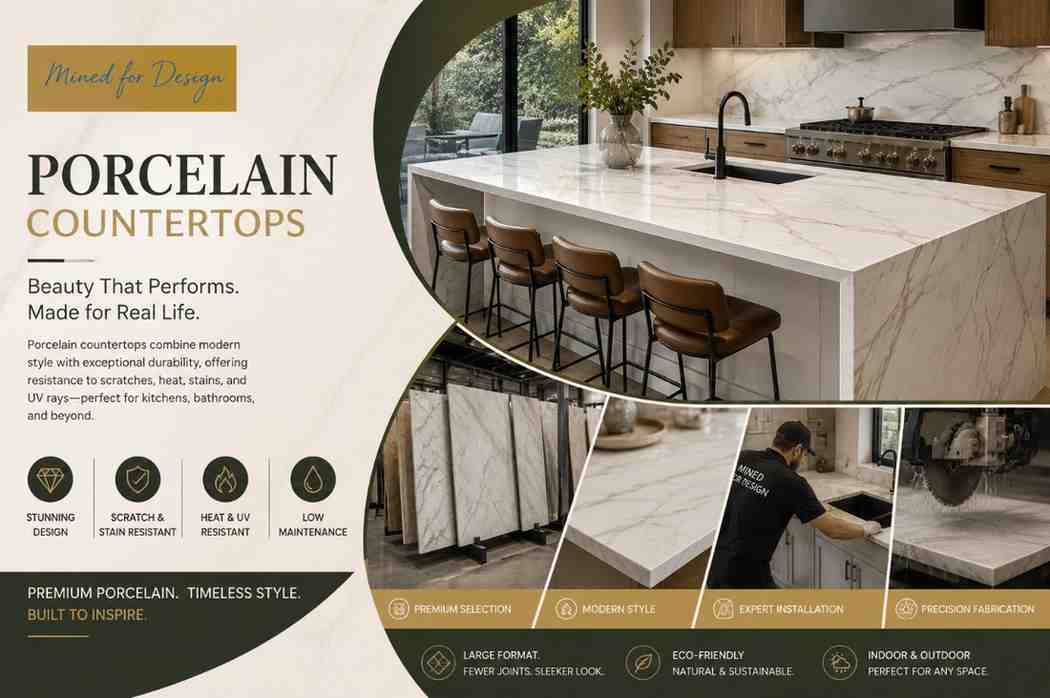
Porcelain is an advanced engineered surface made by combining natural minerals and clays, which are then compressed under extreme pressure and fired at exceptionally high temperatures. That intensive manufacturing process is what gives porcelain its remarkable density and strength. The end result is a highly durable, completely non-porous material that performs at a level well beyond many traditional countertop options.
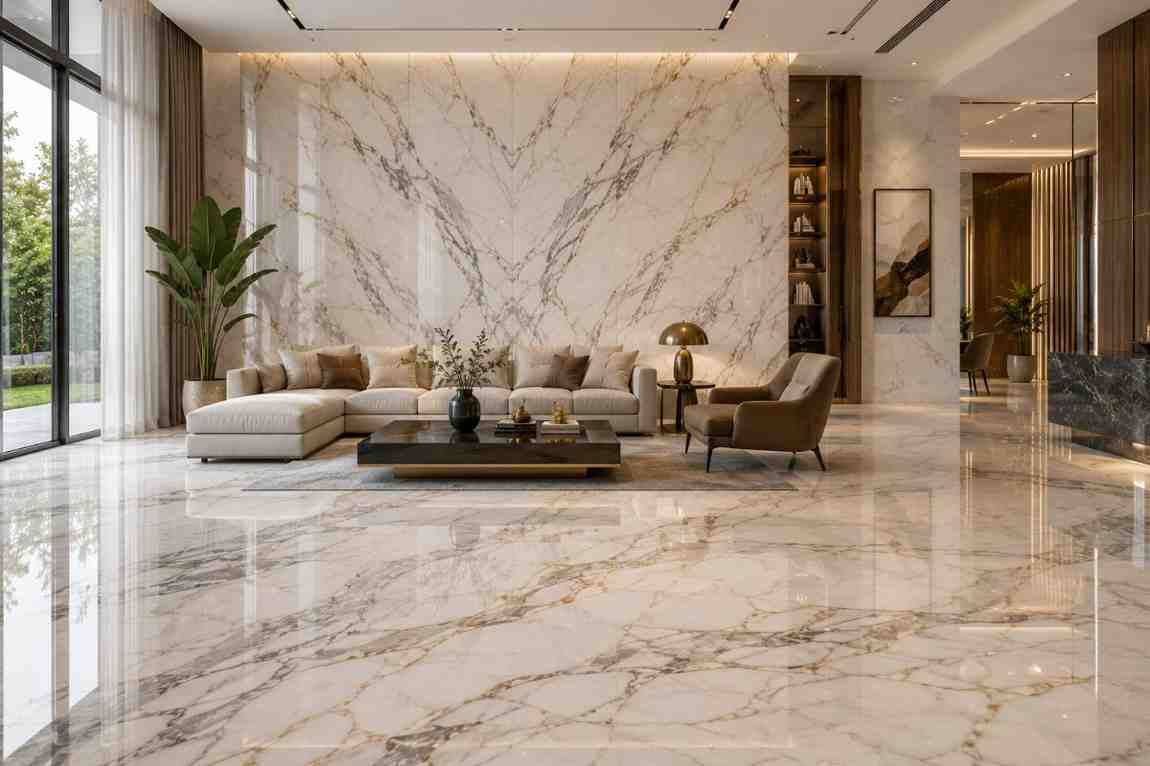
What really sets porcelain apart is its versatility in appearance. Modern manufacturing technology allows it to convincingly replicate the look of marble, concrete, metal, wood, and natural stone, all while delivering far more resistance to stains, heat, moisture, and sun exposure than those materials typically offer on their own. It's a rare case of a material that doesn't ask homeowners to choose between beauty and performance.
The Core Benefits of Porcelain
Porcelain brings together a long list of practical advantages that make it appealing for nearly any application:
- Completely non-porous surface
- No sealing required, ever
- Highly resistant to staining
- Exceptional resistance to heat
- UV resistant, making it ideal for outdoor use
- Strong resistance to scratches and abrasion
- Noticeably lighter than many natural stone options
- An extensive range of available colors and designs
- Simple to clean and maintain over the long term
This combination of durability and design flexibility explains why porcelain has become such a popular choice for homeowners who want a modern, low-maintenance surface without compromising on style.
What Everyday Life With Porcelain Looks Like
Porcelain is engineered with real life in mind. Its non-porous surface prevents liquids, bacteria, and stains from soaking into the material, which makes day-to-day cleanup fast and straightforward. In most cases, a bit of mild soap, warm water, and a soft cloth is all that's needed to keep porcelain surfaces looking their best.
Unlike many natural stones, porcelain never requires sealing, which removes an entire category of ongoing maintenance that homeowners often have to plan around with other materials. Its resistance to heat, sunlight, moisture, and general wear also makes it particularly well suited for busy households, high-traffic commercial spaces, and outdoor living areas where materials are put through more demanding conditions.
For homeowners who want long-term performance without sacrificing visual appeal, porcelain checks nearly every box.
Styles and Colors That Fit Any Vision
One of porcelain's biggest strengths is just how much design flexibility it offers. Because of the way it's manufactured, porcelain can convincingly mimic a wide range of materials and finishes, including:
- Marble-look designs with realistic veining
- Concrete-inspired surfaces
- Natural stone-inspired patterns
- Solid, contemporary color options
- Metallic finishes
- Wood-look surfaces
- Large-format modern slabs
- Polished, matte, and textured finish options
Whether a homeowner is working toward a contemporary, traditional, industrial, or minimalist aesthetic, porcelain typically has an option that fits the vision without forcing a compromise on durability.
Where Porcelain Can Be Used
Porcelain's strength and versatility open up applications that many other countertop materials simply can't handle as well, including:
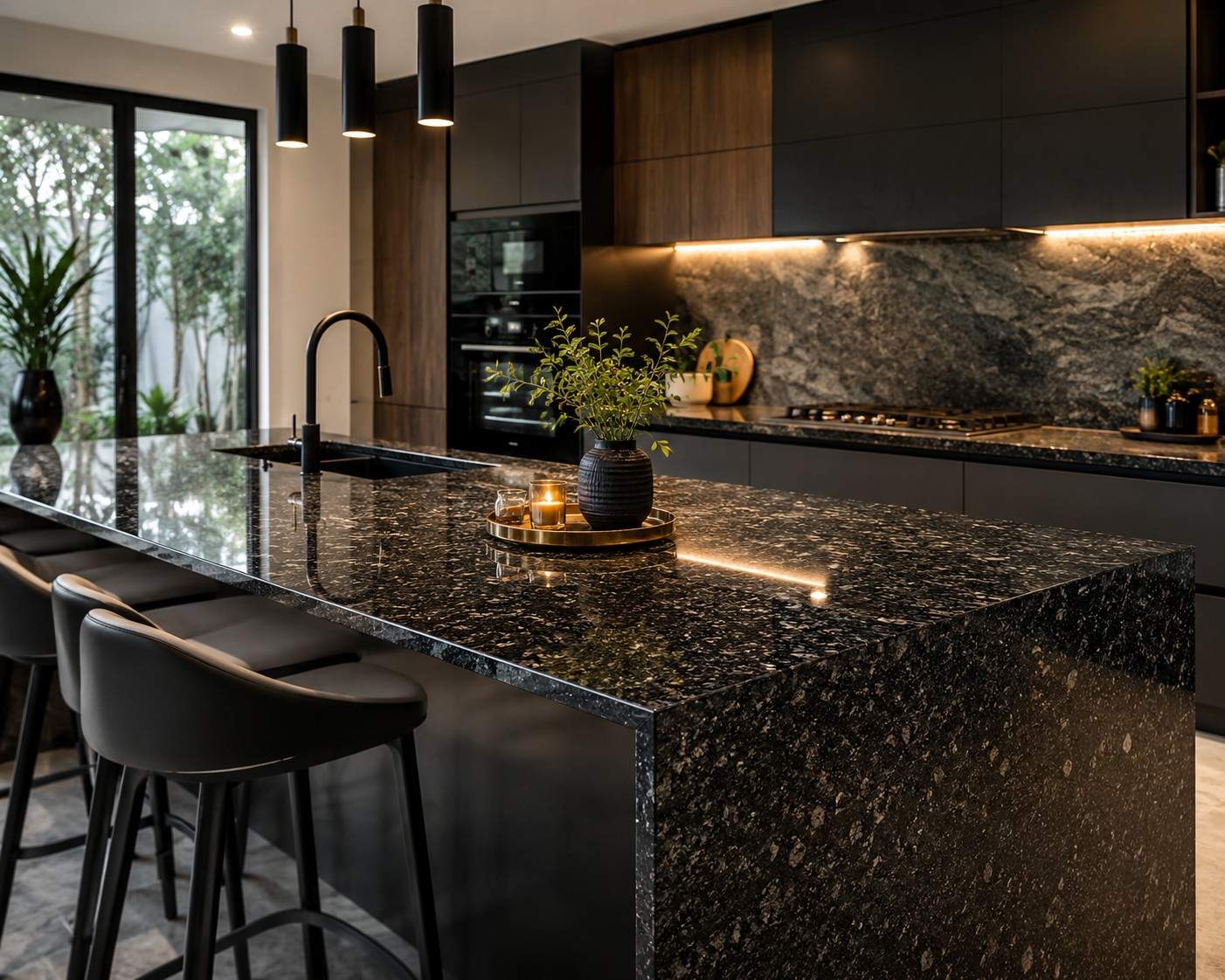
- Kitchen countertops and islands
- Bathroom vanities
- Shower walls
- Fireplace surrounds
- Full-height backsplashes
- Accent walls
- Outdoor kitchens
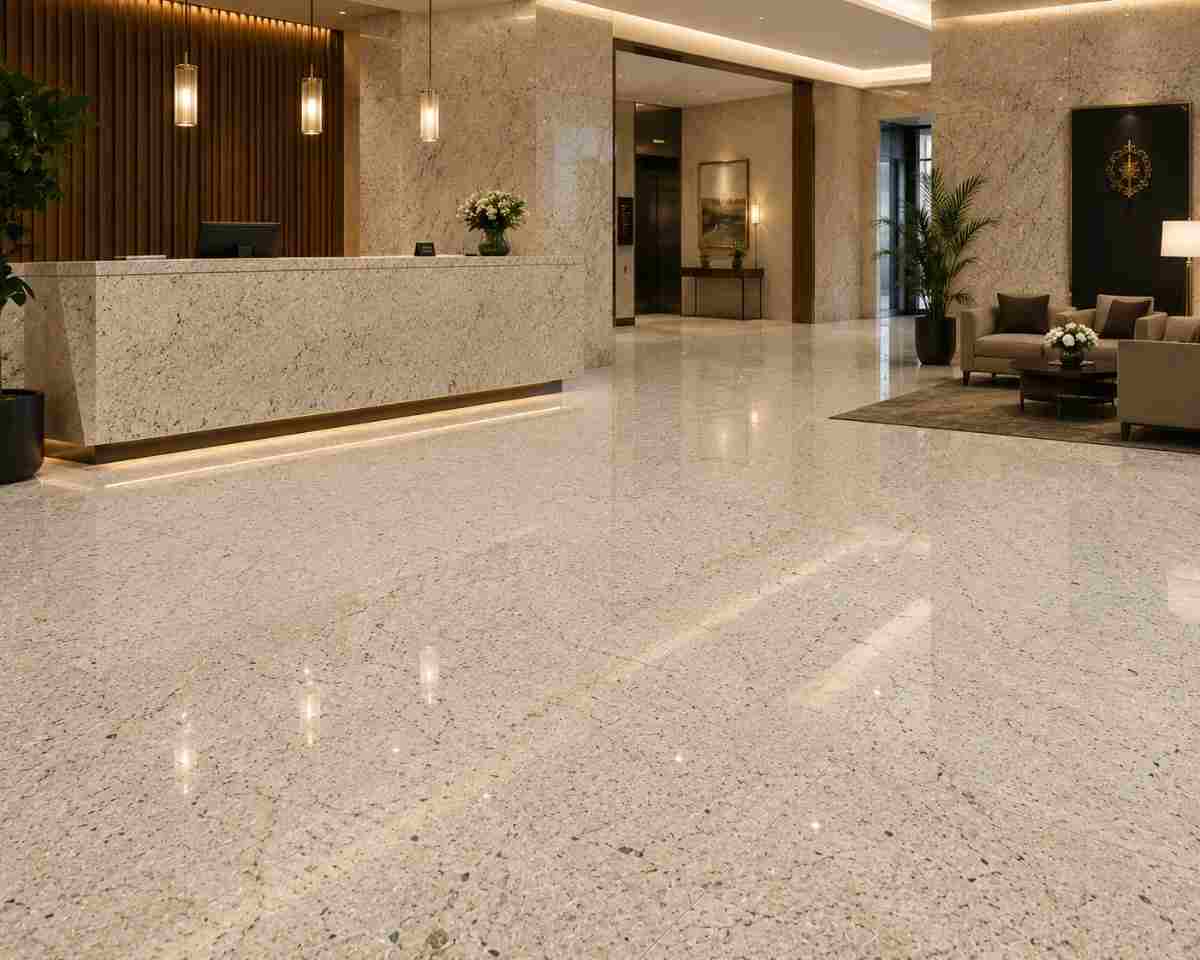
- Commercial spaces
- Reception desks
- Retail displays
Its UV resistance in particular makes porcelain one of the strongest options available for outdoor installations, since it won't fade or discolor the way many other materials can after prolonged sun exposure.
Common Questions About Porcelain
Does porcelain need to be sealed? No. Because it's completely non-porous, porcelain never requires sealing.
Is porcelain heat resistant? Yes, porcelain performs exceptionally well against heat, which makes it a strong fit for both kitchens and outdoor cooking spaces.
Can porcelain be used outdoors? Yes. Its UV resistance means porcelain won't fade or discolor from ongoing sun exposure, making it a smart choice for outdoor kitchens and entertaining areas.
Is porcelain durable? Very. It resists stains, scratches, heat, and moisture at a level that puts it among the most durable surface materials on the market today.
Can porcelain mimic marble or natural stone? Absolutely. Porcelain is available in a wide range of realistic finishes that convincingly replicate marble, granite, concrete, and other natural materials.
Is Porcelain the Right Choice for You?
Porcelain represents a genuine shift in what a countertop material can offer. It brings together the look of luxury materials like marble and natural stone with the kind of everyday performance that busy households and demanding commercial spaces actually need — no sealing, minimal maintenance, and strong resistance to nearly everything daily life can throw at it.
For homeowners planning a kitchen renovation, a luxury bathroom, an outdoor living space, or a commercial buildout, porcelain offers a rare combination of style and substance. It's a material built for how people actually live today, without asking them to sacrifice the high-end look they're after.
originally published on:
https://minedfordesign.com/porcelain
Related Posts