Clinic Management Software: Transforming Modern Healthcare Practices
-

- July 30th, 2026
- 34 views

FREE SEO Topical Map Generator: Find Your Next Content Ideas
The healthcare industry is becoming increasingly dependent on digital technology, and clinics are no exception. From managing patient records to scheduling appointments and processing payments, modern clinics handle a wide range of administrative and clinical tasks every day. When these processes are managed manually, they can consume valuable time, increase the risk of errors, and make it difficult for clinic owners to understand their overall performance. This is where clinic management software can make a significant difference.
Clinic management software is a digital platform designed to bring essential clinic operations together in one system. Instead of relying on paper files, spreadsheets, separate billing tools, and manual appointment books, healthcare providers can manage important workflows through a centralized platform.
What Is Clinic Management Software?
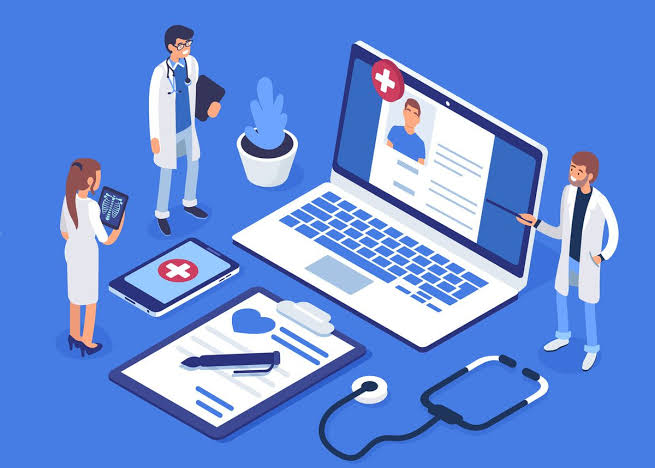
Clinic management software is an integrated solution that helps healthcare facilities organize their day-to-day operations. Depending on the platform, it can include patient management, appointment scheduling, electronic prescriptions, billing, inventory management, reporting, queue management, and communication tools.
For growing clinics, the biggest advantage is having important information available in one place. Doctors and authorized staff can access patient information, review previous visits, manage appointments, and complete administrative tasks without switching between multiple systems.
For example, a modern clinic management platform can maintain patient demographics, medical history, prescriptions, and treatment plans while also connecting those records with appointments and billing information. This creates a more organized workflow for both healthcare professionals and administrative teams.
Why Clinics Are Moving Away From Manual Processes
Traditional clinic workflows often involve repetitive administrative work. Receptionists may maintain appointment registers, staff may search through paper records, and billing information can be maintained separately from patient information.
These processes may work for a small practice, but they become increasingly difficult as patient volume grows.
Manual workflows can result in:
Longer patient waiting times
Difficulty locating previous medical records
Duplicate data entry
Appointment scheduling errors
Billing inconsistencies
Limited visibility into clinic performance
Increased administrative workload
Digitizing these processes allows clinic staff to spend less time on repetitive tasks and more time supporting patients.
Key Features of Modern Clinic Management Software
1. Patient Record Management
A centralized patient management system allows clinics to maintain important patient information digitally. Medical history, prescriptions, treatment plans, and visit information can be organized for easier access.
Having structured records can also make it easier for doctors to review a patient's previous interactions with the clinic before a consultation.
2. Appointment Scheduling
Appointment management is one of the most important functions of clinic software. Staff can schedule appointments according to doctor availability while patients can receive automated reminders.
Better scheduling can help clinics manage patient flow and reduce missed appointments.
3. Electronic Prescriptions
Electronic prescriptions allow doctors to create and manage prescriptions digitally. Depending on the system, prescriptions can also be communicated electronically to pharmacies, reducing reliance on handwritten prescriptions.
Digital prescribing can make prescription information easier to read, store, and retrieve.
4. Billing and Invoicing
Financial management is another important component of clinic operations. Clinic management software can automate invoices, record payments, and provide financial reports.
Automated billing reduces repetitive data entry and can give clinic owners better visibility into revenue and outstanding payments.
5. Queue Management
Patient queues can become challenging during busy clinic hours. Digital queue management can help staff organize patients and provide doctors with a clearer view of who is waiting.
This can contribute to a smoother patient experience and more efficient use of doctors' time.
6. Inventory Management
Clinics that maintain medicines, medical supplies, or laboratory materials also need effective inventory control. Software can help track stock levels and identify items that require replenishment.
Automated alerts can make it easier for staff to respond before essential supplies run out.
7. Reporting and Analytics
Clinic owners need more than patient records they also need insights into how their business is performing.
Reporting features can provide information about appointments, revenue, expenses, patient visits, and other operational indicators. These insights can help management identify bottlenecks and make more informed decisions.
8. SMS and Patient Communication
Communication plays an important role in patient satisfaction. Automated SMS notifications can be used for appointment reminders, payment updates, and other important communications.
Reducing manual communication tasks can also free staff to focus on patients inside the clinic.
Benefits of Using Clinic Management Software
The right software can provide benefits across both clinical and administrative workflows.
Improved efficiency: Automating repetitive tasks allows staff to work more efficiently.
Better patient experience: Faster registration, organized appointments, digital prescriptions, and improved communication can make visits more convenient.
Reduced paperwork: Digital records minimize dependence on physical files and make information easier to retrieve.
Better financial control: Integrated billing and reporting provide greater visibility into clinic finances.
Data accessibility: Cloud-based platforms can allow authorized users to access information through connected devices without being restricted to a physical filing system.
Scalability: A suitable system can support clinics as they add doctors, services, staff, or locations.
Choosing the Right Clinic Management Software
Not every clinic has the same requirements. A single-doctor practice may need a simple system for appointments, patient records, and billing, while a multi-specialty clinic may require advanced reporting, role-based access, inventory management, and multiple workflows.
Before choosing a platform, clinic owners should consider:
Ease of use – Staff should be able to learn the system without excessive training.
Core features – The software should cover the clinic's most important workflows.
Data security – Patient information should be protected using appropriate security measures.
Scalability – The system should be capable of supporting future growth.
Cloud accessibility – Remote access can be valuable for modern healthcare businesses.
Support – Reliable technical assistance is important when software becomes part of daily operations.
Customization – Different specialties and clinics may require different workflows.
InstaCare: Clinic Management Software for Modern Healthcare
InstaCare provides cloud-based healthcare technology designed to help clinics digitize and streamline their operations. Its clinic management solution brings together functions such as patient management, appointment scheduling, electronic prescriptions, billing, inventory management, queue management, SMS alerts, and reporting.
The platform is designed for healthcare providers in Pakistan and can support both smaller practices and larger clinic operations. InstaCare also offers broader healthcare management solutions covering hospitals, pharmacies, laboratories, and other healthcare workflows.
For clinics looking to replace fragmented manual processes with a centralized digital system, a solution such as InstaCare can provide a foundation for more organized and efficient operations.
The Future of Clinic Management Is Digital
Healthcare providers face increasing pressure to deliver better patient experiences while controlling administrative workload and operating costs. Digital transformation can help clinics meet these demands by connecting clinical and administrative workflows.
Clinic management software is no longer simply a tool for storing patient information. Modern platforms can help coordinate appointments, prescriptions, billing, communication, inventory, reporting, and daily operations from a single environment.
For clinics planning their next stage of growth, investing in the right technology can be an important step toward creating a more efficient, organized, and patient-focused practice.
InstaCare is helping healthcare providers embrace this digital shift with technology designed around the practical needs of modern clinics.