Why Prop Firms Need Multi Platform Trading Software
-

- July 17th, 2026
- 28 views

FREE SEO Topical Map Generator: Find Your Next Content Ideas
Every trader has a trading platform they feel most comfortable using. Some prefer MetaTrader, while others choose cTrader, Match Trader, or TradeLocker based on their trading style and experience.
For prop firms, this creates an important challenge. If your prop firm trading software supports only one platform, you could miss out on traders who are unwilling to switch to something unfamiliar.
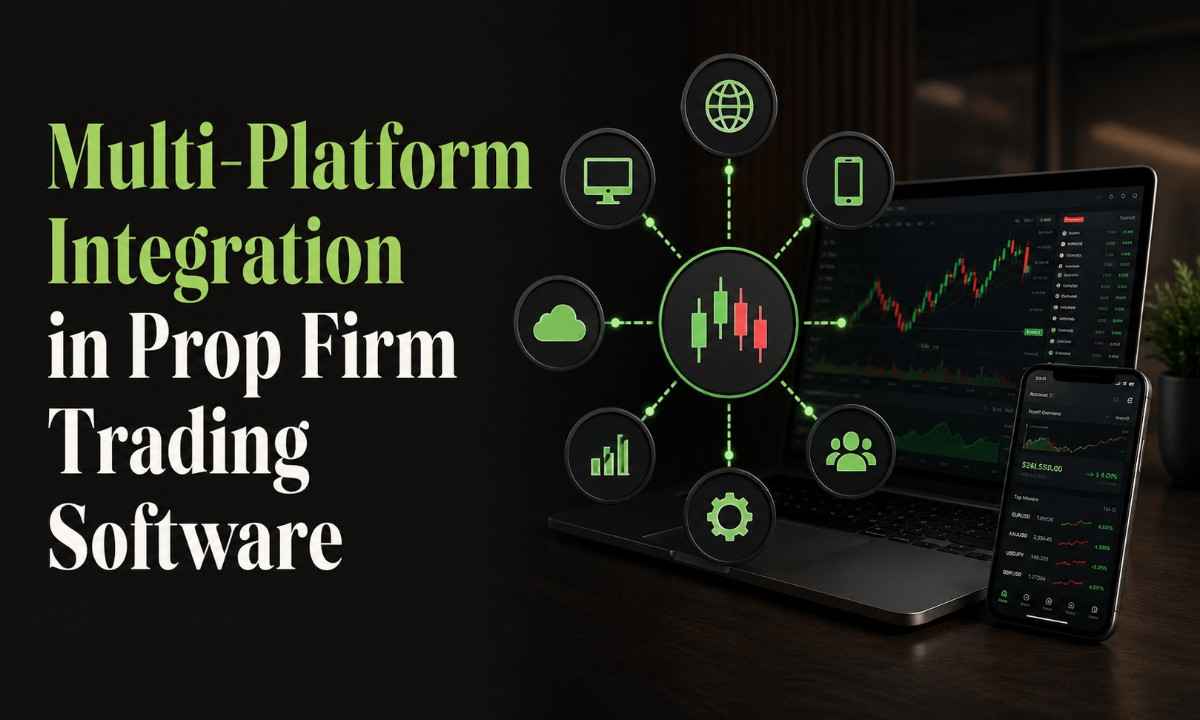
This is where multi platform integration becomes valuable. It allows a prop firm to connect multiple trading platforms through a single software solution, giving traders more flexibility while providing administrators with one place to monitor accounts, challenges, and trading activity.
In this article, we will discuss why this feature has become an important part of modern prop firm trading software.
What Is Multi Platform Integration in Prop Firm Trading Software?
Multi platform integration allows prop firm trading software to connect with different trading platforms through one system. This means traders can use the platform they prefer without affecting how the firm manages their accounts.
Instead of checking each platform separately, prop firms can view trader information, challenge progress, and trading activity from one central dashboard. This makes it easier to monitor everything in a single place.
Why Multi-Platform Integration important in Prop Firm Trading Software
➜ The prop trading industry offers traders more platform choices than ever before. Some traders are comfortable with MetaTrader 5, while others prefer cTrader, Match Trader, or TradeLocker. If a prop firm supports only one platform, it can limit the number of traders who are interested in joining.
➜ Most traders prefer using a platform they already understand. They are familiar with its tools, charts, and features. Asking them to move to a different platform can become a reason for them to choose another prop firm instead.
➜ Multi platform integration removes this limitation by allowing traders to use the platform they prefer while the firm manages everything through one prop firm trading software. Trader accounts, challenge progress, and trading activity can all be viewed from one central system.
➜ This also helps firms adapt as new trading platforms become popular. Instead of creating separate processes for every platform, businesses can connect new options while maintaining the same management system.
➜ Today, platform choice is an important part of the trader experience. Supporting multiple platforms shows that a prop firm understands trader preferences and has the right technology to manage different trading needs from one place.
Benefits of Multi Platform Integration for Prop Firms
Attract More Traders
Supporting multiple trading platforms helps prop firms reach a wider group of traders. Some traders prefer MetaTrader 5, while others choose cTrader, Match Trader, or TradeLocker. Giving them platform choices can make the firm more appealing.
Simplify Daily Management
Multi platform integration brings trader accounts, challenge progress, and trading activity into one dashboard. Instead of checking separate systems, teams can access important information from a single place.
Reduce Manual Work
Managing different platforms separately can require extra time and effort. A connected prop firm trading software system helps organize data, reduce manual checks, and improve account monitoring.
Support Future Platform Changes
New trading platforms continue to enter the market. Multi platform support allows firms to add new options when needed without changing their complete setup.
Improve Trader Experience
When traders can use a platform they already know, they feel more comfortable using the service. Offering multiple options helps prop firms create a better experience for different types of traders.
If you are searching for prop firm software that supports multi platform integration, Hashcodex can help.
Hashcodex is a trusted prop firm solution provider offering software that connects different trading platforms through one system.
The platform includes features like trader management, challenge tracking, reporting, and payout tools, helping prop firms manage their activities while supporting multiple trading platforms from a single dashboard.
Features That Support Multi Platform Integration
Multi platform integration depends on several important features that help prop firms connect and manage different trading platforms through one system.
Unified Trader Dashboard
A unified dashboard displays trader accounts, activity, and progress from different platforms in one place. This gives teams a clear view of all connected accounts.
Centralized Account Management
All account details can be managed through a single system, making it easier to review trader information and update account settings.
Real Time Trade Synchronization
Trade data is updated across connected platforms, allowing firms to monitor activity and view accurate account information.
Automated Challenge Tracking
Challenge progress, profit targets, and trading rules can be tracked automatically across all supported platforms.
Risk Monitoring and Reporting
Risk controls, analytics, and performance reports can be applied consistently across platforms, while automated payouts and account updates help simplify daily tasks.
Conclusion
Multi platform integration has become an important feature in modern prop firm trading software. Traders have different platform preferences, and giving them the option to use familiar platforms can help firms attract more users.
By connecting multiple trading platforms through one system, prop firms can manage trader accounts, monitor challenges, track performance, and handle reports from a central dashboard.
As the prop trading industry continues to develop, having software that supports multiple platforms can help firms provide a better experience for traders while keeping their internal processes organized. Choosing the right technology allows prop firms to support different trading needs without managing separate systems for every platform.