Weekend to Sariska National Park: The Best Travel Guide
-

- June 29th, 2026
- 36 views

FREE SEO Topical Map Generator: Find Your Next Content Ideas
Sariska is one of those places that catches people off guard.
They come expecting a standard wildlife trip — a safari, maybe a fort visit, back by Sunday evening. What they do not expect is to find themselves sitting beside a handmade stepwell at 7 AM watching geese arrive through morning mist, or lying flat on their backs at midnight trying to name the planets above them.
That is what a weekend in Sariska actually looks like when you plan it right. This guide covers everything — from how to get here to where to stay in Sariska, what to do, and what nobody tells you before you leave.
Where Is Sariska and How Do You Get There?
Sariska Tiger Reserve sits in the Alwar district of Rajasthan, tucked into the Aravalli hills — one of the oldest mountain ranges on Earth.
From Delhi/NCR: 3 to 3.5 hours by road via NH48. A smooth expressway drive, entirely manageable on a Friday evening after work.
From Jaipur: Just over an hour on good roads. One of the fastest genuine nature escapes from the Pink City.
By air: The nearest airport is Jaipur International Airport, approximately 61 km away.
By train: Alwar is the closest major railway station, roughly 37 km from the reserve. Taxis are available at the station.
Self-drive is the most popular option. The roads are clean, well-marked, and the approach through the Aravalli foothills is genuinely scenic.
Best Time to Visit Sariska National Park
October to March is the best season overall. The weather is cool, the post-monsoon greenery is still visible through November, and tiger activity peaks during these months. December and January are particularly good for wildlife sightings and birdwatching.
April to June is hot but quieter. Fewer crowds, better booking availability, and the dry landscape actually makes wildlife easier to spot near waterholes. A resort in Sariska with a good pool makes summer very manageable.
July to September is monsoon season. The forest turns dramatically lush and Somsagar Waterfall is at its best, but some safari zones may be partially restricted. Worth visiting for the landscape even if wildlife activity is lower.
Sariska Safari: Everything You Need to Know
want to know more — https://chokhiwadi.com/one-day-trip-to-sariska-wildlife-sanctuary-perfect-itinerary/
The main reason most people come — and they are rarely disappointed.
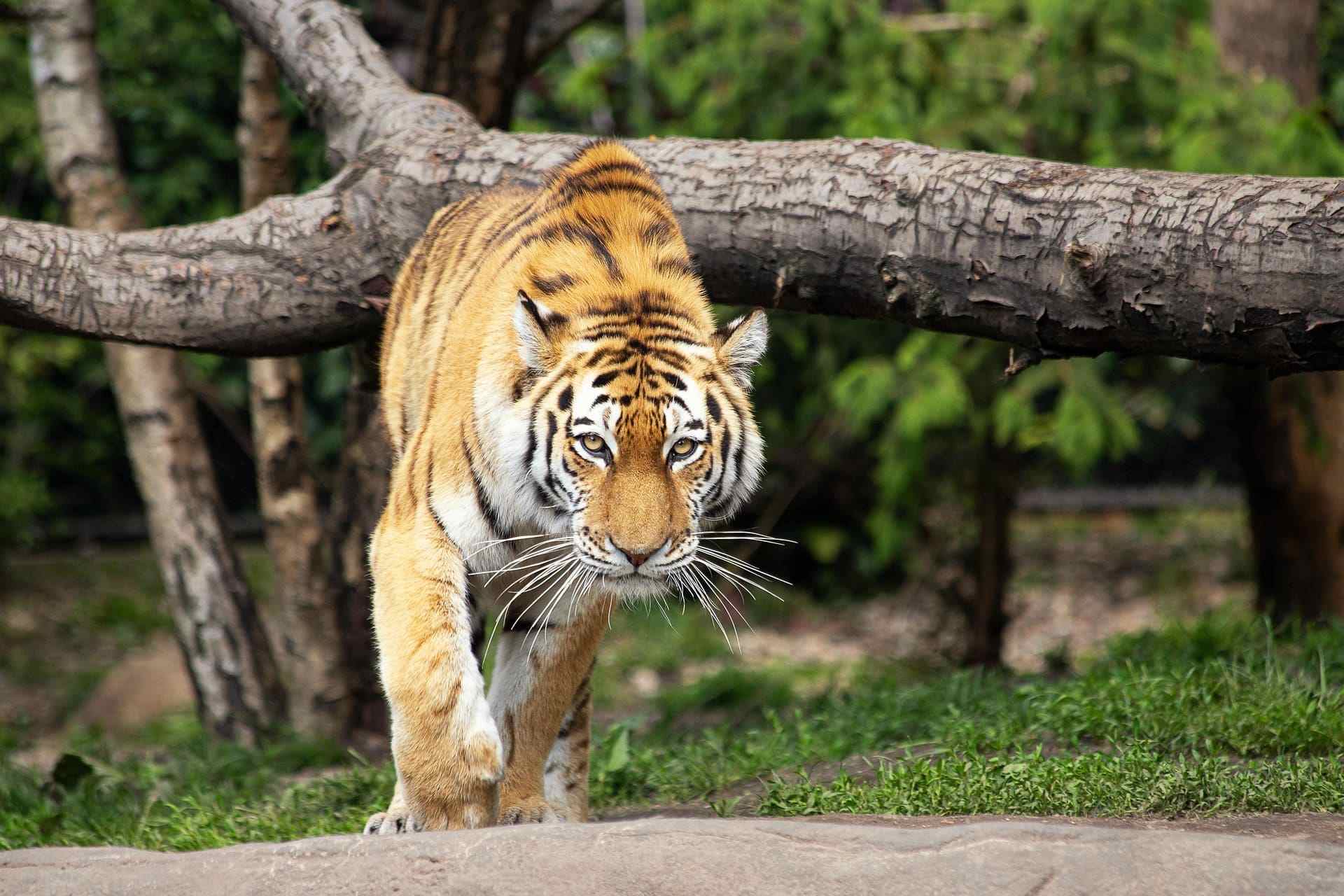
Sariska has a genuine conservation story behind it. Tigers were completely wiped out in the early 2000s, then successfully reintroduced from Ranthambhore in 2008. Today, Sariska has a growing, breeding tiger population that represents one of India’s most determined wildlife recoveries.
Safari options:
A shared bus safari costs approximately ₹2,000 per person. A private jeep (gypsy) costs approximately ₹8,500 per vehicle.
Timings: Morning safaris begin at sunrise and run until around 10:00 AM. Evening safaris go from approximately 2:30 PM to sunset. Timings shift slightly by season.
What else will you see? Leopards, striped hyenas, golden jackals, nilgai, sambar deer, Indian civets, and over 150 bird species. Custom night drives along forest roads are available for spotting nocturnal wildlife — hyenas, foxes, and Indian civets are commonly seen after dark.
Things to Do in Sariska Beyond the Safari
Most travel guides stop at the safari. Sariska offers far more.
Pandupole Hanuman Mandir — A 1,000-year-old Hanuman temple sitting deep inside the forest, accessible only through the reserve. It is one of the most sacred temples in Rajasthan and one of the most atmospheric places you will visit anywhere in India. Pilgrims arrive on Tuesdays and Saturdays; weekdays are quieter and more immersive.
Bhangarh Fort — India’s officially most haunted site, about 90 minutes from Sariska. The Archaeological Survey of India prohibits entry after sunset. The scale of the ruins — an entire medieval city left abandoned — is genuinely striking. Budget at least 2 to 3 hours.
Somsagar Waterfall — A seasonal cascade in the Aravalli hills, best visited between August and November. Local guides from nearby resorts can arrange the trek.
Siliserh Lake — A historic lake palace on the outskirts of Alwar, about 45 minutes away. The setting is quiet and beautiful, ideal for a half-afternoon visit.
Neelkanth Mahadev Temple — An ancient Shiva temple inside the forest, approachable by safari route. Less visited than Pandupole but equally worth including.
Alwar City Palace and Museum — A Rajput-era palace in Alwar city with a museum of arms, armour, royal paintings, and manuscripts. A good half-day addition if you have time on Sunday morning before leaving.
Where to Stay in Sariska: Why Chokhiwadi Forest Retreat Is the Right Choice
Finding the right stay in Sariska is harder than it sounds. Options range from basic guesthouses with no connection to the landscape to overly commercial properties that could be anywhere in India.
Chokhiwadi Forest Retreat solves that problem entirely.
Located in Guwara Dulawa, Ajabgarh, Thanagazi — on the edge of Sariska National Park — Chokhiwadi sits on 9.5 acres of planted Aravalli forest. The founders walked this land in 2022 and planted over 20,000 native trees before a single room was built. Today, more than 90% of the property is living forest, food garden, and organic farm. Solar power. Rainwater harvesting. Composting. Staff hired entirely from nearby villages.
This is not a resort that talks about nature. It is a resort built from it. Chokhiwadi is also fully pet-friendly — all pets welcome, everywhere on the property except the pool area.
A 2-Night Weekend Itinerary for Sariska
Friday Evening Drive in after work. Check in. Sundowners by the pool with the Aravallis going gold. Dinner under the Maharaja tent at Spice Aangan — dal baati churma, slow-cooked laal maas, food grown on the property. Bonfire under stars.
Saturday Early morning walk through the Food Forest or yoga at Vaayu. Breakfast. Mid-morning: Sariska safari — private jeep recommended. Return to the resort for lunch and pool time. Late afternoon: drive to Pandupole Hanuman Mandir inside the forest. Return for sunset at the Baori. Dinner under open sky.
Sunday Late breakfast. Drive to Bhangarh Fort — arrive before 10 AM to avoid the crowd and catch the best light. Return via Alwar if time allows. Check-out by 11 AM or arrange a late check-out in advance.
This is 48 hours that most people from Delhi and Jaipur have never planned — and rarely forget.
Frequently Asked Questions
Is Sariska good for a weekend trip from Delhi?
Yes. It is 3 to 3.5 hours by road — manageable as a Friday evening departure and Sunday return with a full weekend in between.
What is the entry fee for Sariska National Park?
Indian nationals pay approximately ₹100–200 for park entry. Safari costs are separate — shared bus at ₹2,000 per person or private jeep at ₹8,500 per vehicle.
Can I visit Bhangarh Fort and Sariska in the same trip?
Yes. Bhangarh is about 90 minutes from Sariska. Most guests combine both in a 2-night stay — safari one day, Bhangarh the next.
Where is the best resort in Sariska for families?
Chokhiwadi Forest Retreat is family-friendly with outdoor games, a swimming pool, guided nature walks, bonfire evenings, a doctor on call, and a full pet-friendly policy. Rooms accommodate families across all three room types.
Is Sariska National Park open throughout the year?
Yes, with seasonal variations. Some zones may be restricted during monsoon. October to March offers the best overall experience.
What is the best stay in Sariska for a nature experience?
Chokhiwadi Forest Retreat in Ajabgarh, Thanagazi is consistently recommended as the top eco-luxury resort near Sariska — located on the edge of the national park with over 20,000 planted trees and direct Aravalli views.
Can I bring my pet to Sariska?
Yes, if you stay at Chokhiwadi. It is one of the very few luxury resorts in Rajasthan that is fully pet-friendly, welcoming all kinds of pets across all accommodation types.
One Last Thing Before You Plan
Sariska is not the kind of place that asks much from you. It does not need a packed itinerary. It does not need a group of ten people or a long weekend or a special occasion.
It needs a car, two nights, and the willingness to leave your phone in the room for a few hours.
The forest, the hills, the food, the people, the sky — everything here is doing the work. You just have to show up.