Rotameter Flow Meter: Working Principle, Types, Applications & Buying Guide
-
- July 07th, 2026
- 39 views

FREE SEO Topical Map Generator: Find Your Next Content Ideas
Meta Description: Learn everything about rotameter flow meters, including how they work, their types, benefits, applications, and how to choose the right flow meter for your water treatment system.
Rotameter Flow Meter: The Complete Guide for Accurate Flow Measurement
In industries where precise fluid measurement is critical, a rotameter flow meter is one of the most reliable and cost-effective instruments available. Whether you are operating a Reverse Osmosis (RO) plant, water treatment system, chemical processing unit, or laboratory, a rotameter helps monitor and control the flow of liquids and gases with accuracy.
At Pearl Water Technologies, we provide premium-quality rotameter flow meters designed for residential, commercial, and industrial water treatment applications. Our flow meters offer dependable performance, easy installation, and long service life.
What Is a Rotameter Flow Meter?
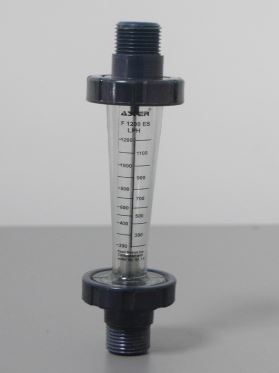
A rotameter flow meter is a variable area flow meter that measures the flow rate of liquids or gases inside a pipeline. It consists of a vertically mounted tapered tube with a float inside.
As fluid enters from the bottom, the float rises until the upward force of the flowing fluid balances the downward force of gravity. The float's position indicates the flow rate on a calibrated scale.
Rotameters are widely used because they provide accurate readings without requiring electricity.
How Does a Rotameter Flow Meter Work?
The operating principle of a rotameter is based on variable area measurement.
Step 1: Fluid Enters the Meter
Water, air, or another fluid flows upward through the tapered tube.
Step 2: Float Moves Upward
The flow lifts the float inside the tube.
Step 3: Flow Area Increases
As the float rises, the space between the float and the tube increases, allowing more fluid to pass.
Step 4: Float Stabilizes
The float reaches an equilibrium point where gravity and fluid force are balanced.
Step 5: Flow Rate Is Read
The float position aligns with the calibrated scale, showing the flow rate in units such as LPM (Litres Per Minute), GPM (Gallons Per Minute), or m³/h.
Main Components of a Rotameter Flow Meter
A standard rotameter consists of:
Tapered measuring tube
Precision float
Flow scale
Inlet and outlet connections
Protective housing
Optional control valve
Each component is designed to provide accurate and repeatable flow measurements.
Types of Rotameter Flow Meters
Glass Tube Rotameter
A transparent glass tube allows direct observation of the float position.
Suitable for:
RO plants
Water treatment systems
Laboratories
Chemical dosing units
Acrylic Rotameter
Manufactured from durable acrylic, these flow meters are lightweight and resistant to corrosion.
Applications:
Domestic water filtration
Aquaculture
Water purification systems
Metal Tube Rotameter
Designed for high-pressure, high-temperature, and industrial environments.
Used in:
Chemical industries
Oil & gas
Steam systems
Industrial processing plants
Digital Rotameter
Combines traditional flow measurement with electronic sensors and digital displays for advanced monitoring and process automation.
Advantages of Using a Rotameter Flow Meter
High Accuracy
Provides reliable flow measurements for liquids and gases.
No External Power Required
Standard rotameters operate mechanically without electricity.
Easy Installation
Simple inline installation reduces setup time and maintenance.
Cost-Effective
Offers accurate flow monitoring at a lower cost than many electronic flow meters.
Low Maintenance
With minimal moving parts, maintenance requirements are low.
Long Service Life
High-quality materials ensure durability in demanding environments.
Applications of Rotameter Flow Meters
Rotameter flow meters are commonly used in:
Reverse Osmosis (RO) plants
Industrial water treatment plants
Chemical processing
Pharmaceutical manufacturing
Food and beverage production
HVAC systems
Cooling water systems
Boiler feed water monitoring
Laboratories
Irrigation systems
Aquaculture
Process industries
How to Choose the Right Rotameter Flow Meter
Before selecting a rotameter, consider:
Type of fluid (water, air, gas, or chemicals)
Required flow range
Pipe connection size
Operating pressure
Operating temperature
Tube material (glass, acrylic, or metal)
Float material
Installation orientation
Required measurement accuracy
Selecting the correct specifications ensures optimal performance and accurate readings.
Maintenance Tips for Rotameter Flow Meters
To maintain consistent performance:
Install the meter vertically.
Keep the tube clean and free from deposits.
Inspect the float regularly for smooth movement.
Avoid pressure shocks and water hammer.
Replace damaged components immediately.
Calibrate periodically for critical industrial applications.
Regular maintenance extends the life of the flow meter and improves measurement accuracy.
Why Choose Pearl Water Technologies?
Pearl Water Technologies offers precision-engineered rotameter flow meters designed for reliable performance in water treatment and industrial applications.
Our Advantages
High-quality materials
Accurate flow measurement
Corrosion-resistant construction
Multiple flow ranges available
Easy installation
Long service life
-
Competitive pricing
Expert technical support
Fast delivery across India
Our rotameter flow meters are trusted for applications ranging from residential RO systems to large industrial plants.
Frequently Asked Questions (FAQs)
What is a rotameter flow meter used for?
It measures the flow rate of liquids or gases in pipelines, helping operators monitor and control process efficiency.
Can a rotameter measure both liquids and gases?
Yes. Rotameters are available in models specifically calibrated for liquids or gases.
Does a rotameter require electricity?
No. Standard rotameter flow meters operate mechanically without any external power source.
Why must a rotameter be installed vertically?
Vertical installation allows the float to move freely under gravity, ensuring accurate readings.
What is the typical accuracy of a rotameter?
Most industrial rotameters provide an accuracy of approximately ±2% of full scale, depending on the model and calibration.
Conclusion
A rotameter flow meter is a practical and reliable solution for measuring the flow of liquids and gases in a wide range of industrial and commercial applications. Its simple design, high accuracy, and low maintenance make it an ideal choice for water treatment plants, RO systems, laboratories, and manufacturing facilities.
If you are looking for durable and high-performance rotameter flow meters, Pearl Water Technologies offers a wide selection of models tailored to your flow measurement requirements.