The Complete Guide to Projectors for Homes, Offices, and Educational Spaces
-

- August 03rd, 2026
- 29 views

FREE SEO Topical Map Generator: Find Your Next Content Ideas
Projectors have evolved significantly over the years, transforming from bulky presentation devices into versatile display solutions for homes, businesses, and educational institutions. Today, they offer exceptional image quality, smart connectivity, and flexible installation options, making them a preferred choice for anyone looking to create a large-screen viewing experience. Whether you're watching your favorite movies, delivering an important business presentation, or conducting an interactive classroom session, the right projector can enhance visual communication and engagement. As technology continues to advance, projectors have become more affordable, energy-efficient, and capable of delivering impressive performance across a wide range of environments.
Understanding How Projectors Work
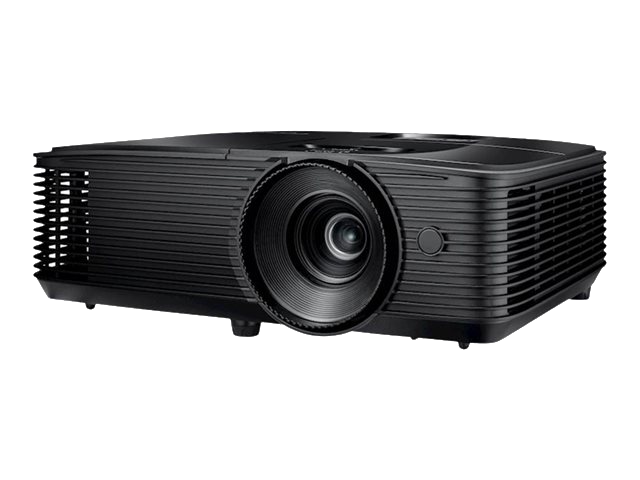
A projector works by receiving visual input from a connected device such as a laptop, desktop computer, media player, gaming console, or streaming device and projecting that image onto a screen or flat wall. Modern projectors use advanced light sources and imaging technologies to create bright, sharp, and vibrant visuals. Unlike televisions that come with fixed screen sizes, projectors provide the flexibility to display images ranging from small presentations to cinema-sized screens exceeding 300 inches. This ability to create large visuals without occupying significant wall space has made projectors an increasingly popular alternative to oversized televisions and commercial displays.
Why Projectors Are Becoming More Popular
The growing demand for projectors is driven by their versatility and ability to meet the needs of various users. Homeowners appreciate the immersive entertainment experience that projectors provide, allowing them to enjoy movies, sports, and gaming on a much larger screen than traditional televisions. Businesses rely on projectors to deliver impactful presentations, conduct video conferences, and facilitate collaborative meetings. Educational institutions use projectors to make lessons more engaging through multimedia presentations, interactive learning, and visual demonstrations.
Another reason behind their popularity is the rapid improvement in display technology. Laser light sources, higher resolutions, wireless connectivity, and smart operating systems have significantly enhanced projector performance while reducing maintenance requirements. These innovations have made projectors more reliable and easier to integrate into modern workspaces and homes.
Different Types of Projectors
Projectors are available in several different technologies, each designed to suit specific applications. LCD projectors are widely recognized for their excellent color accuracy and bright image reproduction. They are commonly found in classrooms and meeting rooms where clear presentations and vibrant visuals are essential. Because they produce accurate colors, they are particularly effective for educational content, charts, and business presentations.
DLP projectors use digital mirror technology to create sharp, high-contrast images with smooth motion. They are often preferred for home theaters, conference rooms, and entertainment applications because they deliver excellent image clarity and require relatively low maintenance. Their fast response time also makes them suitable for gaming and video playback.
Laser projectors have become increasingly popular in recent years due to their long lifespan and consistent brightness. Unlike traditional lamp-based models, laser projectors can operate for thousands of hours without requiring frequent lamp replacements. This makes them a cost-effective option for organizations that use projectors extensively, such as universities, training centers, and corporate offices.
LED projectors are known for their compact size, low power consumption, and portability. They are ideal for personal entertainment, small meeting rooms, and professionals who need to carry a projector while traveling. Although they may not always match the brightness of larger models, they offer excellent convenience and efficiency for everyday use.
Choosing the Right Brightness
Brightness is one of the most important factors when selecting a projector. It determines how clearly the projected image will appear under different lighting conditions. Brightness is measured in lumens, and choosing the appropriate level depends largely on the environment in which the projector will be used.
For home theaters where the room can be darkened, a projector with moderate brightness is often sufficient to produce rich colors and deep contrast. In contrast, classrooms and office meeting rooms usually have ambient lighting that cannot be completely controlled, requiring projectors with higher lumen ratings to maintain image clarity. Large auditoriums, conference halls, and event venues typically require high-brightness projectors capable of producing vivid images even under strong lighting conditions. Selecting the appropriate brightness ensures viewers can comfortably see presentations, videos, and graphics without straining their eyes.
Understanding Resolution and Image Quality
Resolution plays a crucial role in determining how detailed and sharp a projected image appears. Lower resolutions may be suitable for simple presentations, but modern users increasingly prefer Full HD or 4K projectors for their superior clarity and detail. Higher-resolution projectors provide sharper text, more realistic images, and better viewing experiences, especially when displaying videos, detailed graphics, or large spreadsheets.
Image quality also depends on contrast ratio, color accuracy, and the projector's processing capabilities. A higher contrast ratio produces deeper blacks and more vibrant colors, enhancing movie watching, photography, and multimedia presentations. Users who frequently display detailed visuals should prioritize projectors that offer excellent contrast and color performance.
Throw Distance and Room Size
One of the unique characteristics of projectors is that different models require different distances from the screen to produce a particular image size. This is known as throw distance. Standard throw projectors are suitable for medium-sized rooms where there is enough space between the projector and the screen. Short throw projectors are designed for smaller rooms and classrooms, allowing users to project large images from a relatively short distance. This minimizes shadows and glare during presentations.
Ultra-short throw projectors represent one of the latest innovations in projection technology. These projectors can produce extremely large images while being positioned only a few inches away from the projection surface. They are ideal for modern classrooms, collaborative workspaces, and home entertainment systems where space is limited and a clean installation is desired.
Projectors for Home Entertainment
Home entertainment has become one of the fastest-growing applications for projectors. Many families now choose projectors instead of large televisions because they can recreate the experience of a commercial cinema within their own living rooms. Watching movies, streaming television shows, playing video games, or enjoying live sports becomes significantly more immersive when displayed on a screen exceeding 100 inches.
Modern home theater projectors support Full HD and 4K resolutions, HDR content, and advanced color technologies that deliver impressive picture quality. Many models also include built-in smart features, allowing users to access streaming services directly without connecting additional devices. Quiet operation, low input lag, and enhanced contrast ratios further improve the viewing experience for both casual viewers and gaming enthusiasts.
Why Offices Depend on Projectors
In today's collaborative work environments, projectors remain an important tool for communication and teamwork. Businesses use projectors to conduct client presentations, training sessions, product demonstrations, brainstorming meetings, and video conferences. A large projected display enables everyone in the room to clearly view charts, presentations, and financial reports, improving participation and decision-making.
Wireless connectivity has further simplified office presentations by allowing employees to share content directly from laptops, tablets, or smartphones without dealing with multiple cables. Laser projectors are particularly popular in corporate environments because they offer long operating life, lower maintenance costs, and consistent performance throughout years of daily use.
The Role of Projectors in Education
Educational institutions continue to embrace projectors as an essential teaching tool because they support interactive and visually engaging learning experiences. Teachers can display educational videos, presentations, diagrams, animations, and real-time demonstrations that make complex subjects easier for students to understand. Visual learning improves student engagement and helps accommodate different learning styles.
Projectors also support hybrid and remote learning by integrating with video conferencing platforms and interactive whiteboards. Students can participate more actively in lessons while teachers benefit from the flexibility to present digital content from various devices. As educational technology evolves, projectors remain an important component of modern smart classrooms.
Connectivity Features That Matter
Today's projectors offer far more than simple HDMI connectivity. Most modern models support USB ports, LAN connections, Wi-Fi, Bluetooth, wireless screen sharing, and mobile casting technologies. These features make it easier to connect multiple devices without complicated setups.
Wireless connectivity is especially valuable in offices and educational institutions where presenters frequently switch between different devices. Instead of plugging and unplugging cables throughout a meeting, users can instantly share presentations from laptops, smartphones, or tablets. Some projectors also include integrated operating systems that allow direct access to cloud storage and productivity applications.
Maintaining Your Projector for Long-Term Performance
Proper maintenance is essential for maximizing the lifespan and performance of any projector. Regular cleaning of air filters and lenses helps maintain brightness and image quality while preventing overheating. Ensuring adequate ventilation around the projector allows it to operate efficiently, particularly during extended presentations or movie sessions.
For lamp-based projectors, users should monitor lamp usage and replace it according to the manufacturer's recommendations. Laser projectors require significantly less maintenance because they eliminate the need for regular lamp replacements, making them a practical long-term investment for organizations with heavy daily usage.
It is also advisable to protect projectors from dust, moisture, and sudden power fluctuations by using surge protectors and storing portable models in protective carrying cases when not in use. Periodic firmware updates can further improve performance, compatibility, and security.
Future Trends in Projection Technology
The projector industry continues to innovate as demand for immersive visual experiences grows across residential, educational, and commercial sectors. Manufacturers are introducing features such as artificial intelligence-based image optimization, automatic screen alignment, voice assistant integration, cloud collaboration tools, and enhanced wireless connectivity. Laser light sources are becoming increasingly common due to their efficiency, reliability, and long lifespan.
The integration of projectors with smart classrooms, hybrid workspaces, and collaborative technologies is expected to accelerate in the coming years. As display technology advances, projectors will continue to deliver brighter images, higher resolutions, and more intuitive user experiences while consuming less power and requiring minimal maintenance.
Conclusion
Projectors have established themselves as one of the most versatile display solutions available today. Whether you are creating a cinematic home theater, equipping a modern office, or enhancing classroom learning, the right projector can deliver an engaging and impactful viewing experience. Understanding factors such as brightness, resolution, throw distance, connectivity, and projector technology helps ensure you select a solution that matches your specific requirements.
As projection technology continues to evolve, users can expect even greater performance, smarter features, and improved energy efficiency. Investing in a high-quality projector is not only a practical decision for today's needs but also a future-ready solution that supports entertainment, collaboration, education, and communication across a wide range of environments.