
Exploring the Power and Applications of Industrial Microscope
-

- June 30th, 2026
- 22 views

FREE SEO Topical Map Generator: Find Your Next Content Ideas
Industrial microscopes are no longer confined to research labs and clinics. They make a huge difference into how a product is made, inspected, and improved every day. From checking tiny circuit boards to inspecting welds of metal parts, these powerful tools are becoming more important for modern manufacturing and quality control.
If you’ve ever wondered how industrial microscopes actually work and what they are, we’re here to break it down for you.
In this article, let’s explore various things about an industrial microscope, how it works, and where it is applied in real life situations.
What is an Industrial Microscope?
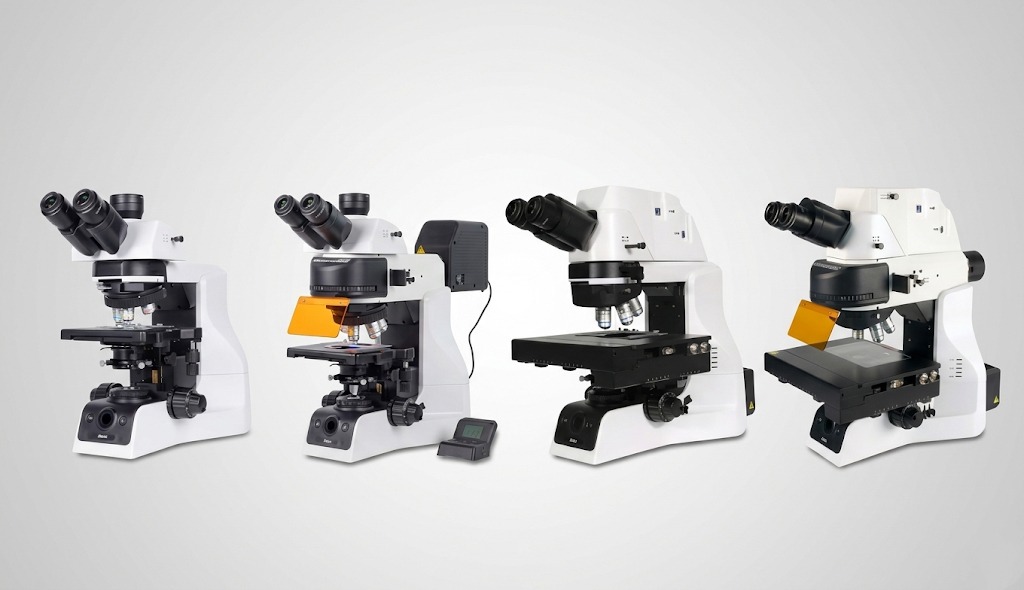
An industrial microscope is a type of microscope that is built specifically for use in factories, labs, and production environments.
Unlike the microscopes you used in school biology classes, industrial microscopes are designed to handle tough conditions and examine large, hard objects, such as machine parts, electronic components, and printed circuit boards.
These microscopes give engineers, technicians, and quality inspectors a magnified, clear view of surfaces and structures that are too small or too detailed to see with the naked eye.
How is an Industrial Microscope Different From a Regular Microscope?
A standard lab microscope is mostly used to look at thin, transparent samples, like cells and bacteria. On the other hand, industrial microscopes are built to examine solid, opaque objects. They come with features like:
Larger working distances to help you view bulkier objects
Brighter and more flexible lighting systems
Digital cameras and screens for easier team viewing
Sturdy builds that can withstand daily use on a factory floor.
Why Industrial Microscopes are Important in Manufacturing?
In any manufacturing process, quality is the most important priority. A tiny crack, a microscopic misalignment, or a barely visible defect can cause an entire product to fail. This is where an industrial microscope can be helpful to you.
They allow teams to catch problems at an early stage before a defective product reaches the customer. This saves money, reduces waste, and protects the reputation of a company.
Nowadays, products are getting smaller and more complex. Let’s take an example of chips inside your phone or sensors inside a car engine. These components have tiniest features that are so small that you will require magnification just to see them clearly.
Industrial microscopes offer manufacturers the precision they need to work at that level. Without them, producing high-quality electronics, medical devices, or aerospace components at scale will be impossible.
Essential Applications of an Industrial Microscope
Industrial microscopes are used in different industries. Some common and most important ones include:
Electronics and PCB Inspection
One of the biggest uses of industrial microscopes is in electronics manufacturing. Circuit boards are packed with tiny components, solder joints, and connections. Even the smallest defect can cause a device to malfunction.
Technicians use industrial microscopes to inspect solder quality, look for broken traces, check component alignments, and verify that everything meets quality standards, all before the product is shipped to its delivery destination.
Semiconductor and Microchip Manufacturing
The semiconductor industry heavily relies on industrial microscopes. Microchips are built layer by layer, and each layer needs to be checked for accuracy. Any contamination or error at the microscopic level can destroy the performance of the entire chip.
Metal and Weld Inspection
In heavy industries like automotive, aerospace, and construction, industrial microscopes are used to examine welds, metal surfaces, and machined parts. Inspectors look for cracks, surface flaws, and structural weaknesses that could cause failures under stress.
Medical Device Manufacturing
Medical devices like surgical tools, implants, and diagnostic equipment are supposed to meet incredibly strict quality and safety standards. An industrial microscope will help manufacturers ensure every part is made to the exact specifications required.
Research and Development Labs
Apart from the factory floor, industrial microscopes are also valuable in R&D settings. Scientists and engineers use them to study materials, develop new products, and test prototypes, turning observations at the microscopic level into real-world innovations.
Types of Industrial Microscopes
Different microscopes are available for different tasks:
Stereo Microscopes
They offer a 3D view of the object and are great for assembly work, inspection, and soldering. They usually offer lower magnification but with a wider field of view.
Digital Microscopes
Digital microscopes are equipped with digital cameras that display the image on a screen. They are easy to use, great for team inspections, and allow images and videos to be saved for records or reports.
Metallurgical Microscopes
These are specifically designed for examining metals and other opaque materials. They use reflected light instead of transmitted light, which makes them the right choice for surface analysis of metal parts.
Apart from that, you need to consider a few things, like the level of magnification you need, the size of the objects you’ll be examining, and the type of environment where it will be used.
To Summarize
Industrial microscopes might not be the most talked-about piece of equipment in manufacturing, but their impact is massive. They are helpful in catching defects, maintaining quality, and improving safety. They also help in pushing the boundaries of what’s possible in modern production. This makes them the right choice for industrial uses.