Studio Podcast Dubai: Equipment That Makes a Real Difference
-
- July 10th, 2026
- 23 views

FREE SEO Topical Map Generator: Find Your Next Content Ideas
Anyone can buy a USB microphone and call it a podcast setup, but there’s a real gap between that and what happens inside a studio podcast dubai teams actually use to publish weekly shows. Understanding what’s behind the scenes helps you ask better questions before booking, and it explains why the finished product from a proper facility sounds so different from a phone recording in a quiet room.
Microphones and Audio Interfaces Do the Heavy Lifting
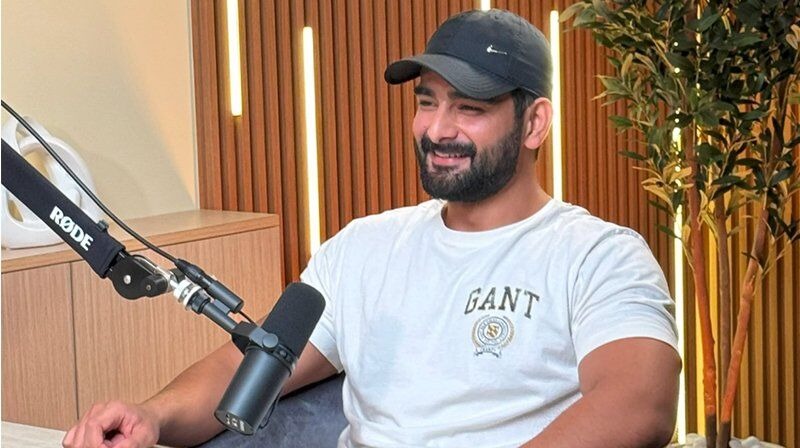
The microphone is where sound quality starts, and the difference between a decent dynamic mic and a budget condenser is obvious the moment you listen back — it’s one of the first things a good Podcast Studio Dubai will invest in. Professional setups typically use broadcast-grade dynamic microphones, which reject background noise far better than the microphones built into laptops or phones. These connect through an audio interface or mixer that lets an engineer adjust each speaker’s volume independently in real time, so one guest who talks quietly and another who’s naturally louder still sound balanced in the final mix. This single piece of gear is often the reason two people recording in the same room can sound completely different, depending on where they’re set up.
Cameras, Framing, and Why Multi-Angle Recording Matters
Video has become close to mandatory for shows that want reach beyond a niche audience, and framing makes a bigger difference than most first-time hosts expect. A well-equipped studio podcast dubai space typically runs three or four cameras simultaneously — wide shots for context, tight shots for reaction clips, and sometimes an overhead angle for product demonstrations. This setup means an editor can cut between angles the way a television show does, which keeps viewers engaged even during a long, unbroken conversation. Without multiple angles, editors are stuck with a single static shot for forty-five minutes, and that’s a hard watch, no matter how good the content is.
Acoustic Treatment You Can’t See on Camera
The panels on the walls aren’t just decoration. Foam and fabric-wrapped panels absorb sound reflections that would otherwise create a slight echo, while bass traps in the corners handle low-frequency rumble from air conditioning or nearby traffic. A few things separate a properly treated room from one that just looks nice:
Sound doesn’t “bounce” — clapping in the room produces a dead, quick sound rather than a ringing echo
Flooring is often carpeted or has rugs, since hard floors reflect sound upward toward the microphones
Doors and windows are sealed or double-glazed to keep outside noise from bleeding into the recording
Post-Production Tools That Turn Raw Footage Into a Finished Episode
Recording is roughly a third of the total work. After the session, editors use software to clean up background noise, balance levels across the whole episode, color-correct video, and cut highlight clips for social media. A Podcast Studio Dubai with an in-house editing team can usually turn around a polished episode faster than a host trying to coordinate a freelancer separately, simply because the editor already understands the raw files and the studio’s usual style. This is the stage where a decent recording becomes something people actually want to share.
Final Thoughts
The gear inside a studio podcast dubai setup exists to solve specific, invisible problems — uneven volume, echo, flat single-camera footage — that most new podcasters don’t notice until they compare their first episode to a professionally produced one. Ask any studio you’re considering to walk you through their microphone setup, camera count, and editing process before booking. A capable Podcast Studio Dubai will be glad to explain the equipment, because it’s usually the clearest way to show why the final product sounds and looks the way it does.
FAQs
1. Do I need to know how to use the equipment myself?
No, because in professional recording studios, there is always an engineer who does the technical part, and the hosts and guests only have to concentrate on talking.
2. Why does video quality matter if my show is mainly audio?
Since video plays the largest part in discovery on social media platforms, even podcasts need to have their video content that will be used to make clips.
3. How many microphones are typically used for a two-person interview?
There are usually two microphones that are designated to each individual speaker, enabling an audio engineer to equalize both sounds individually.
4. What causes an echo in home recordings that studios avoid?
The hard surfaces in the room will reflect the sound waves back towards the microphone. This is why acoustic treatment focuses on absorbing reflections.