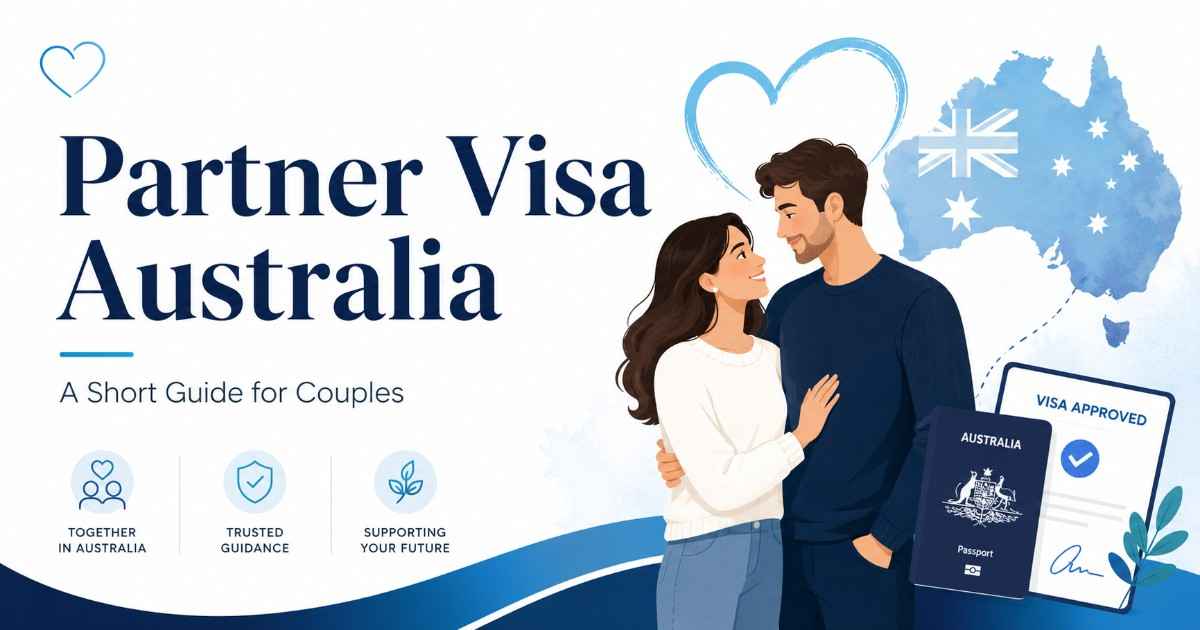
Partner Visa Australia: A Guide for Couples Planning Their Future Together
-

- July 27th, 2026
- 24 views

FREE SEO Topical Map Generator: Find Your Next Content Ideas
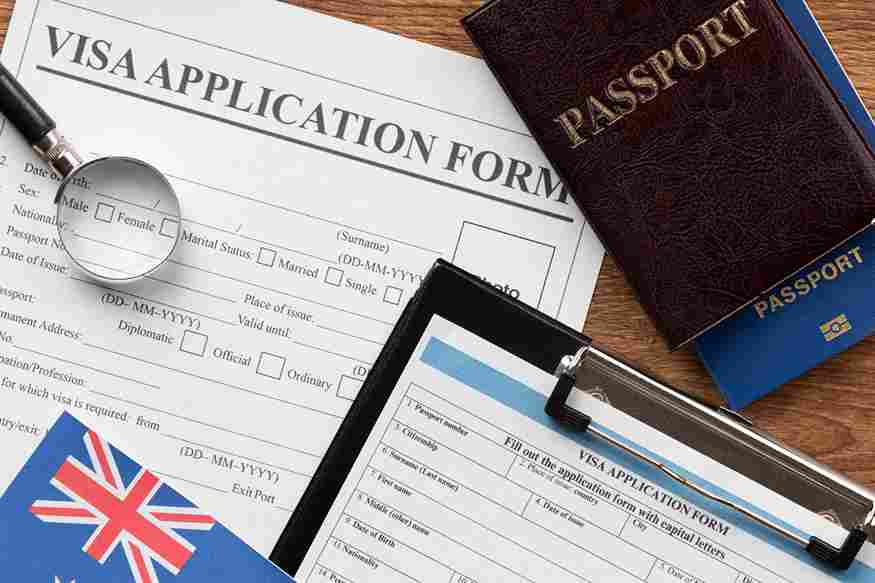
A Partner Visa Australia allows the spouse or de facto partner of an Australian citizen, Australian permanent resident, or eligible New Zealand citizen to live in Australia. For many couples, this visa is an important step toward building a future together, whether they are already living in Australia or applying from overseas.
Although a partner visa is based on a relationship, it is still a legal application that requires strong evidence, accurate information and careful preparation. A marriage certificate or photos together may not be enough on their own. The Department of Home Affairs considers the relationship as a whole and assesses whether it is genuine, continuing and committed.
What Is a Partner Visa?
A partner visa is designed for people who are in a genuine relationship with an eligible sponsor. The relationship may be a marriage or a de facto relationship.
There are different partner visa pathways depending on where the applicant is located and the couple’s circumstances.
The Subclass 820/801 Partner Visa is generally for applicants who are in Australia. The Subclass 820 is the temporary stage, while the Subclass 801 is the permanent stage.
The Subclass 309/100 Partner Visa is generally for applicants who apply from outside Australia. The Subclass 309 is the temporary stage, while the Subclass 100 is the permanent stage.
The Subclass 300 Prospective Marriage Visa may be suitable for eligible couples who intend to marry in Australia before applying for a partner visa.
Choosing the correct pathway is important because each visa has different requirements, evidence expectations and timing considerations.
Who Can Apply for a Partner Visa?
To apply for a partner visa, the applicant must usually be in a genuine and continuing relationship with an eligible sponsor. The sponsor must usually be an Australian citizen, Australian permanent resident, or eligible New Zealand citizen.
The couple must show that their relationship is real and committed. For married couples, the marriage must be legally recognised. For de facto couples, the relationship usually needs to show a shared life, emotional commitment and genuine partnership.
Some couples may face extra complexity if they have lived apart, have limited joint documents, recently married, experienced previous visa refusals, or have cultural or family reasons for not sharing finances or household arrangements. These situations do not automatically mean the application will fail, but they should be explained clearly.
What Evidence Is Needed for a Partner Visa?
Evidence is one of the most important parts of a partner visa application. The Department generally looks at different aspects of the relationship, including financial, household, social and commitment evidence.
Financial evidence may include joint bank accounts, shared bills, rent payments, joint purchases, money transfers, insurance policies or evidence that the couple supports each other financially.
Household evidence may include lease agreements, property documents, utility bills, mail sent to the same address, shared responsibilities, household arrangements or evidence of living together.
Social evidence may include photos with family and friends, invitations, travel records, social media evidence, messages from relatives, and support statements from people who know the relationship.
Commitment evidence may include communication records, future plans, relationship statements, evidence of emotional support, long-term goals, travel plans, and proof that the couple has maintained the relationship during periods of separation.
The strongest applications usually include a clear relationship timeline and well-organised documents that explain the couple’s story.
Relationship Statements Matter
A relationship statement gives the couple an opportunity to explain their relationship in their own words. It should not simply repeat dates. It should explain how the couple met, how the relationship developed, when they became committed, how they support each other, how they manage responsibilities, and what their future plans are.
If there are unusual circumstances, the statement should address them clearly. For example, if the couple lived apart due to work, family pressure, visa conditions or financial reasons, the explanation should be honest and supported by evidence.
A strong relationship statement can help decision-makers understand the relationship beyond documents alone.
Common Partner Visa Challenges
Partner visa applications can become difficult when evidence is incomplete, inconsistent or poorly organised. Some common issues include unclear relationship timelines, limited financial documents, lack of household evidence, inconsistent dates, missing identity documents, weak support statements or unexplained periods of separation.
Long-distance relationships may also need careful preparation. Couples who live in different countries may need to show regular communication, visits where possible, financial or emotional support, family involvement and plans for living together in Australia.
Another common issue is relying too much on photos. Photos can support an application, but they should not be the only evidence. The Department usually expects broader evidence showing how the couple shares their life and plans their future.
What Happens After Applying?
After a partner visa application is lodged, the Department may request more information. This may include updated relationship evidence, police checks, health examinations or clarification about specific issues.
Couples should keep collecting evidence after lodgement because the relationship must usually remain genuine and continuing until the decision is made. Updated evidence may also be important at the permanent visa stage.
Applicants should also keep their contact details updated and respond to Department requests within the required timeframe. Missing a request or deadline can cause serious problems.
Can a Relationship Change During the Process?
Relationships can change while a partner visa is being processed. A couple may temporarily separate, reconcile, have a child, or experience relationship difficulties. In some cases, the relationship may end permanently.
A temporary separation does not automatically mean the application will fail, but it should be explained with evidence showing the relationship continued. If the relationship ends permanently, the applicant should seek advice because it may affect eligibility. In some circumstances, exceptions may apply, such as family violence, the death of a sponsor, or shared parental responsibility for a child.
Applicants should be honest with the Department and avoid providing outdated or misleading information.
Why Legal Advice Can Help
A partner visa application can affect a couple’s future, family life and ability to settle in Australia. Legal advice can help couples understand the correct visa pathway, identify risks early, prepare stronger evidence and respond properly to Department concerns.
Professional guidance may be especially useful where the couple has limited evidence, previous visa refusals, character issues, long periods of separation, complex family circumstances, or uncertainty about which visa to apply for.
Final Thoughts
Applying for a Partner Visa Australia is more than a form-filling process. It requires a clear understanding of the visa pathway, strong relationship evidence and careful preparation.
Couples should focus on providing genuine, consistent and well-organised evidence that explains their relationship clearly. Whether applying from inside or outside Australia, early preparation can reduce stress and help avoid common mistakes.
A partner visa can be an important step toward building a life together in Australia. With the right preparation and advice, couples can approach the process with greater confidence and clarity.
Disclaimer: This article provides general information only and does not constitute legal advice. Australian migration law, visa requirements, fees and processing times may change. Applicants should seek advice based on their individual circumstances before making any migration decision.