Nasha Mukti Kendra in Chandigarh: What to Know Before You or Your Family Takes the First Step
-
- July 23rd, 2026
- 36 views


FREE SEO Topical Map Generator: Find Your Next Content Ideas
Introduction
What Is a Nasha Mukti Kendra and Who Actually Needs One?
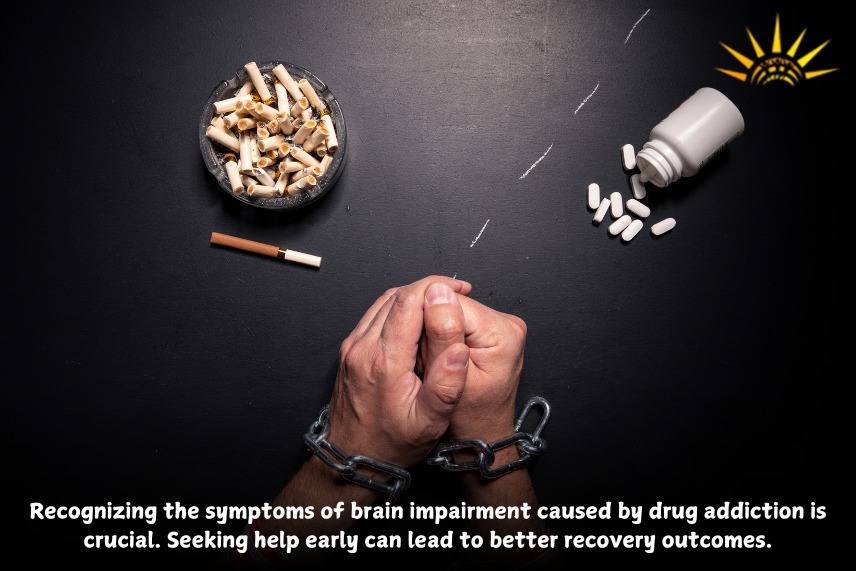
A nasha mukti kendra — literally "addiction liberation centre" in Hindi — is a specialized facility designed to help individuals break free from substance dependency in a medically supervised environment.
These centres handle dependencies involving alcohol, prescription medications, heroin, cannabis, synthetic drugs, and increasingly, poly-substance abuse (when someone is dependent on more than one substance simultaneously).
Who needs one? Honestly, the signs are often clearer to the family than to the person themselves. If someone has tried to quit multiple times without success, if their health or relationships or work are deteriorating, or if withdrawal symptoms have become physically dangerous — that's when professional intervention stops being optional.
Chandigarh's geographic position as a hub between Punjab and Haryana means it sees a higher-than-average footfall of individuals and families seeking help, partly due to the well-documented substance abuse challenges in the surrounding region.
What Does Recovery Actually Look Like at a De-Addiction Centre?
This is where a lot of information online gets vague. So let's be specific.
A credible nasha mukti kendra in Chandigarh typically structures recovery in phases:
Phase 1 — Medical Detoxification (Days 1–10): The body is cleared of the substance under medical supervision. This phase can be physically difficult. Withdrawal symptoms — ranging from nausea and tremors to seizures in severe cases — need to be managed by trained medical staff. This is not something to go through at home without professional support.
Phase 2 — Stabilization and Assessment (Week 2–3): Once the acute withdrawal is over, a thorough psychological and medical assessment helps identify co-occurring conditions — depression, anxiety, trauma — that often drive addictive behaviour in the first place.
Phase 3 — Therapy and Counselling (Weeks 3–8+) This is the heart of recovery. Individual counselling, group therapy, cognitive behavioural therapy (CBT), family sessions, and sometimes spiritual or holistic practices form the core of this phase. The goal isn't just sobriety — it's building a life that doesn't need substances as a coping mechanism.
Phase 4 — Aftercare and Relapse Prevention: Discharge is not the end. Good centres build a structured aftercare plan — follow-up sessions, support groups, community reintegration support. Relapse is common in addiction recovery (it doesn't mean failure), and having a plan in place makes a real difference.
If a centre can't explain this process to you clearly when you enquire, that's worth paying attention to.
For families researching options in the region, the team at OM Foundation provides transparent information about their approach to rehabilitation and recovery care in Chandigarh.
How to Choose the Right Nasha Mukti Kendra in Chandigarh
Here's the thing — not every centre is equal, and the decision matters enormously.
Check for qualified medical staff. A legitimate de-addiction centre should have psychiatrists, addiction counsellors, and trained nurses on staff. Ask directly. If they're vague, take note.
Look at the treatment approach. Evidence-based therapies like CBT, motivational interviewing, and medication-assisted treatment (where appropriate) are the gold standard. Be wary of centres that rely purely on "willpower" messaging or informal methods.
Family involvement matters. Addiction affects the whole family unit. Centres that include family counselling as part of the treatment programme tend to produce better outcomes. Recovery doesn't happen in isolation.
Ask about their aftercare programme. What happens after discharge? A centre that ends its care at the front gate isn't really setting people up for long-term success.
Environment and dignity. This sounds soft, but it matters. Does the facility feel safe? Are residents treated with respect? You can usually sense this when you visit.
Government vs. private centres. Chandigarh has both. Government facilities like those run under the National Drug Dependence Treatment Centre (NDDTC) network offer free or subsidized care. Private centres vary widely in quality and cost — but some offer more individualized attention and shorter waiting periods.
Red Flags to Watch For — And What Good Care Actually Looks Like
The truth is, the de-addiction space has its share of facilities that don't meet any meaningful standard of care. Knowing what to avoid is as important as knowing what to look for.
Red flags:
No licensed medical professional on site
Refusing to let families visit or contact the patient regularly
No structured daily programme or clear treatment plan
Pressure to sign long-term contracts upfront
Guarantees of "100% cure" — addiction is a chronic condition, and responsible clinicians don't make those claims
Isolation tactics that cut off all outside contact from day one
What good looks like:
Transparent about their clinical team and their qualifications
Willing to explain the treatment plan before admission
Structured programming with a mix of therapy modalities
Regular family updates and involvement in care
Clear, humane policies around patient rights
In practice, a facility that welcomes your questions — and answers them honestly — is already doing better than many.
Conclusion
It's not easy to search for a nasha mukti kendra in Chandigarh. Whether you're doing it for yourself or someone you love, the fact that you're looking means something important is shifting.
Recovery is real. It's not quick, and it's not always linear — but it happens every day for people who get the right kind of support. Chandigarh has genuine resources available, and taking time to find the right centre rather than the nearest one is time well spent.
If you're at the point of asking questions, you're already closer to help than you might feel right now.