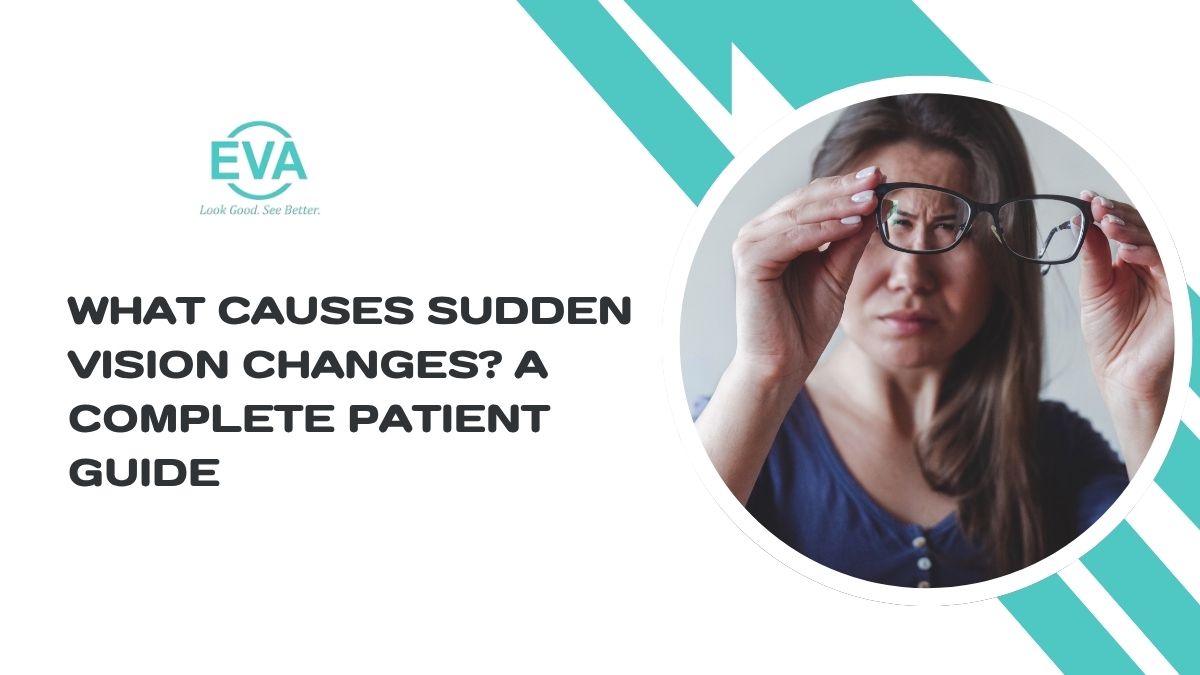
What Causes Sudden Vision Changes? A Complete Patient Guide
-

- July 20th, 2026
- 40 views

FREE SEO Topical Map Generator: Find Your Next Content Ideas
Have you ever noticed your vision becoming blurry all of a sudden, seeing flashes of light, experiencing double vision, or feeling like a curtain is covering part of your sight? These sudden vision changes can be alarming and should never be ignored. While some visual disturbances may be temporary and harmless, others could indicate serious eye or health conditions that require immediate medical attention.
Understanding the causes, symptoms, and treatment options can help protect your eyesight and overall health. In this comprehensive guide, we'll explore the most common reasons behind sudden changes in eyesight and when you should consult an eye specialist doctor in Delhi
for expert evaluation.
What Are Sudden Vision Changes?
Sudden vision changes refer to unexpected alterations in how you see. These changes may occur within minutes, hours, or days and can affect one or both eyes.
Common symptoms include:
- Sudden blurred vision
- Partial or complete vision loss
- Double vision
- Flashes of light
- Floating spots (floaters)
- Distorted vision
- Blind spots
- Difficulty focusing
- Reduced peripheral vision
- Changes in color perception
While some symptoms may resolve on their own, others may indicate severe eye health issues that require urgent treatment.
Why Do Sudden Vision Changes Happen?
Your vision depends on the proper functioning of multiple structures, including the cornea, lens, retina, optic nerve, and brain. Any disruption in these systems can lead to sudden vision impairment.
Let's examine the most common causes.
1. Retinal Detachment
A retinal detachment occurs when the retina separates from the back of the eye. This condition is considered a medical emergency.
Symptoms
- Sudden flashes of light
- Increase in floaters
- Shadow or curtain over vision
- Sudden vision loss
Risk Factors
- Aging
- Severe myopia (nearsightedness)
- Eye injury
- Previous eye surgery
- Family history
Without prompt treatment, retinal detachment can result in permanent blindness.
2. Retinal Tear
A retinal tear often develops before retinal detachment.
When the vitreous gel inside the eye pulls on the retina, it may create a tear that allows fluid to seep underneath.
Warning Signs
- New floaters
- Light flashes
- Blurred vision
- Peripheral vision changes
Early diagnosis by a top ophthalmologist in Delhi can prevent progression to retinal detachment.
3. Eye Stroke (Retinal Artery Occlusion)
An eye stroke occurs when blood flow to the retina becomes blocked.
Eye Stroke Symptoms
- Painless sudden vision loss
- Vision dimming
- Blind spots
- Loss of vision in one eye
Associated Health Conditions
- High blood pressure
- Diabetes
- High cholesterol
- Heart disease
An eye stroke requires immediate medical evaluation because delayed treatment can lead to permanent vision damage.
4. Ocular Migraine
An ocular migraine can cause temporary visual disturbances even without a headache.
Common Symptoms
- Zigzag lines
- Flashing lights
- Blind spots
- Temporary blurred vision
Most episodes last between 10 and 60 minutes and resolve without permanent damage. However, recurrent symptoms should still be evaluated.
5. Glaucoma
Glaucoma damages the optic nerve due to elevated eye pressure.
Acute angle-closure glaucoma is a medical emergency and can cause rapid vision changes.
Glaucoma Symptoms
- Severe eye pain
- Blurred vision
- Halos around lights
- Nausea and vomiting
- Sudden vision loss
Early intervention by the best eye surgeon in Delhi best eye surgeon in Delhican help preserve vision.
6. Cataracts
Although cataracts usually develop gradually, advanced cataracts can suddenly worsen vision.
Cataract Symptoms
- Blurred or cloudy vision
- Difficulty driving at night
- Increased sensitivity to light
- Faded colors
- Frequent prescription changes
Modern cataract surgery offers highly effective vision restoration for most patients.
7. Diabetic Retinopathy
Diabetes can damage the tiny blood vessels in the retina.
Diabetic Retinopathy Symptoms
- Blurred vision
- Dark spots or floaters
- Fluctuating vision
- Vision loss
People with diabetes should undergo regular retinal examinations to detect problems early.
8. Hypertensive Retinopathy
High blood pressure can affect retinal blood vessels, causing vision problems.
Symptoms
- Blurred vision
- Visual disturbances
- Headaches
- Reduced visual clarity
Managing blood pressure significantly reduces the risk of long-term eye damage.
9. Macular Degeneration
Age-related eye diseases such as macular degeneration affect the central portion of the retina.
Symptoms
- Distorted straight lines
- Difficulty reading
- Central vision loss
- Dark spots in vision
Prompt treatment can slow disease progression and preserve remaining vision.
10. Eye Infections
Various infections can cause sudden eye problems and visual disturbances.
Eye Infection Symptoms
- Redness
- Pain
- Swelling
- Blurred vision
- Light sensitivity
- Eye discharge
Bacterial, viral, or fungal infections should be treated promptly to avoid complications.
11. Optic Nerve Damage
The optic nerve transmits visual information from the eye to the brain.
Damage can occur due to:
- Glaucoma
- Multiple sclerosis
- Inflammation
- Tumors
- Poor blood circulation
Symptoms
- Sudden vision loss
- Reduced color vision
- Eye pain
- Visual field defects
Optic nerve damage requires immediate specialist care.
12. Neurological Conditions
Not all vision problems originate in the eye itself.
Conditions affecting the brain may cause:
- Double vision
- Sudden blurred vision
- Visual field loss
- Difficulty focusing
Possible causes include:
- Stroke
- Brain tumors
- Multiple sclerosis
- Transient ischemic attacks (TIAs)
These conditions require urgent medical attention.
When Should You Seek Emergency Eye Care?
Contact an eye specialist in South Delhi immediately if you experience:
- Sudden vision loss
- Flashes of light
- New floaters
- Eye pain with blurred vision
- Double vision
- Visual field loss
- Curtain-like shadow across vision
- Severe headaches with vision changes
Quick treatment often determines whether vision can be saved.
How Are Sudden Vision Changes Diagnosed?
An experienced eye specialist doctor in Delhi may recommend:
Comprehensive Eye Examination
- Visual acuity testing
- Eye pressure measurement
- Dilated retinal examination
Advanced Diagnostic Tests
- Optical Coherence Tomography (OCT)
- Retinal imaging
- Visual field analysis
- Fluorescein angiography
- Ultrasound scanning
These investigations help identify the exact cause of changes in eyesight.
Can Sudden Vision Changes Be Prevented?
While not all conditions are preventable, these habits can reduce risk:
Protect Your Eye Health
- Schedule regular eye exams
- Control diabetes and blood pressure
- Wear UV-protective sunglasses
- Maintain a healthy diet
- Avoid smoking
- Exercise regularly
- Manage cholesterol levels
- Protect eyes from injury
Preventive care remains the most effective strategy for preserving long-term vision.
Why Choosing the Right Eye Specialist Matters
When dealing with vision loss symptoms or sudden eye problems, timely expert care is critical. Consulting a top ophthalmologist in Delhi ensures accurate diagnosis and access to advanced treatment options.
Patients seeking specialized retinal care, cataract surgery, glaucoma management, or comprehensive eye evaluations should choose a trusted eye hospital in South Delhi equipped with modern diagnostic technology and experienced specialists.
Final Thoughts
Sudden vision changes should never be dismissed as a minor inconvenience. Whether it's sudden blurred vision, double vision, flashes of light, or unexpected vision loss, these symptoms can signal serious underlying eye conditions such as retinal detachment, eye stroke, glaucoma, diabetic retinopathy, or optic nerve damage.
Early diagnosis dramatically improves treatment outcomes and can prevent permanent vision impairment. If you notice any unusual changes in your eyesight, seek immediate evaluation from an experienced eye specialist doctor in Delhi. Protecting your vision today can help ensure clear, healthy eyesight for years to come.