Mount Papsura Expedition: Conquer the Legendary Peak of Evil in the Indian Himalayas
-

- June 29th, 2026
- 28 views

FREE SEO Topical Map Generator: Find Your Next Content Ideas
https://thinairexpedition.com/mount-papsura-expedition
For experienced mountaineers seeking one of the toughest climbing challenges in the Indian Himalayas, the Mount Papsura Expedition stands among the most prestigious adventures available. Rising to approximately 6,451 meters (21,165 feet) in Himachal Pradesh, Mount Papsura has earned the nickname "Peak of Evil" because of its steep faces, technical terrain, unpredictable weather, and demanding summit route. While the name reflects the mountain's formidable reputation, it also symbolizes the immense satisfaction climbers experience after reaching its summit.
The expedition combines technical climbing, glacier travel, high-altitude camping, and breathtaking Himalayan scenery into one unforgettable alpine experience.
About Mount Papsura
Mount Papsura is located in the Parvati Valley of Himachal Pradesh within the Pir Panjal Range. The mountain dominates the surrounding landscape with its towering snow-covered ridges and massive glaciers. Its remote location adds to its appeal, offering climbers an authentic expedition experience far from crowded trekking routes.
Unlike many trekking peaks, Papsura demands previous mountaineering experience and advanced climbing skills. Every section of the expedition requires careful planning, teamwork, and technical expertise.
The Journey Begins
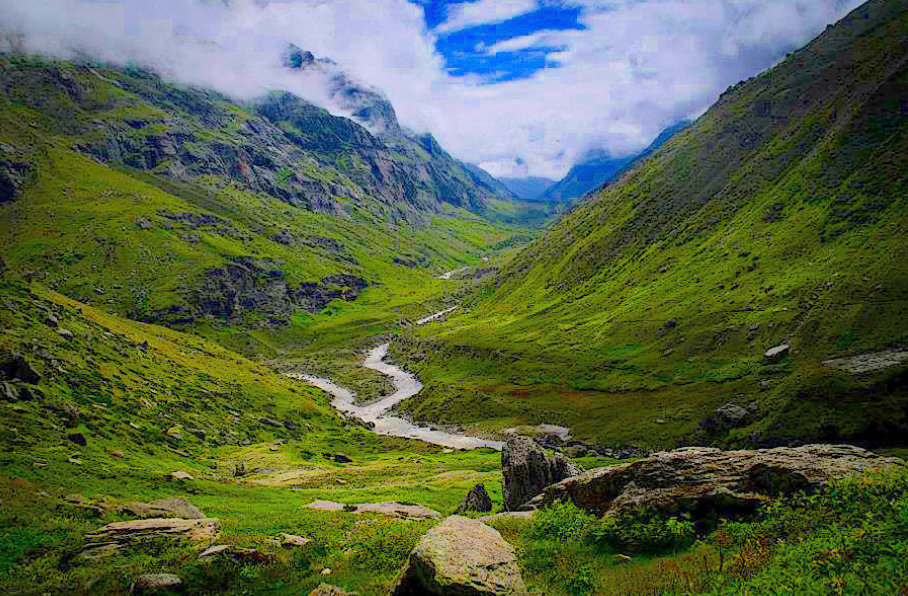
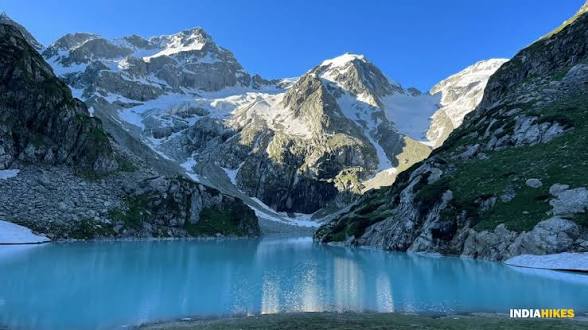
The expedition usually starts from Manali before moving toward the beautiful Parvati Valley. The approach trek passes through lush forests, alpine meadows, glacial streams, rocky moraines, and remote mountain camps. As the expedition progresses, the scenery changes dramatically, with massive glaciers and towering Himalayan peaks dominating the landscape.
Each day offers spectacular views while gradually preparing climbers for the technical sections that lie ahead.
Importance of Acclimatization
Because Mount Papsura rises above 6,400 meters, acclimatization plays a vital role in expedition success. Climbers spend several days gradually gaining altitude while establishing camps at strategic locations.
This process allows the body to adapt naturally to reduced oxygen levels and minimizes the risk of altitude-related illnesses. Rest days, hydration, proper nutrition, and careful monitoring by experienced guides all contribute to a safer climbing experience.
Technical Challenges
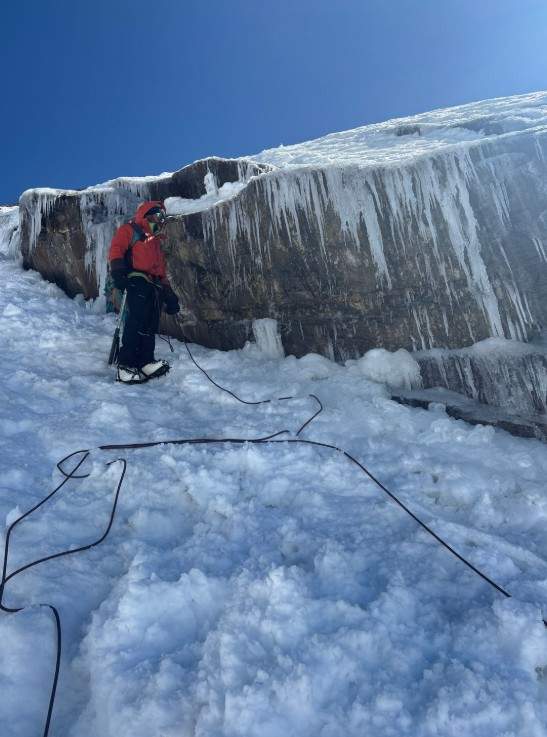
The Mount Papsura Expedition is designed for experienced climbers with previous technical mountaineering knowledge. Participants encounter steep snow slopes, heavily crevassed glaciers, exposed ridgelines, and mixed sections of snow, ice, and rock.
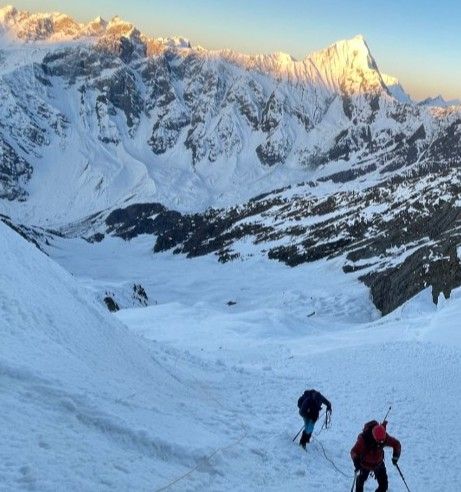
Throughout the expedition, climbers rely on specialized equipment including crampons, ice axes, helmets, harnesses, ascenders, and fixed ropes. Glacier travel requires constant teamwork and attention to safety while navigating challenging terrain.
The mountain's changing weather conditions demand flexibility and sound decision-making from both guides and climbers.
Professional Guidance and Safety
Safety remains the highest priority during the expedition. Experienced mountaineering leaders carefully assess weather conditions, glacier movement, snow stability, and route safety before every stage of the climb.
Participants receive guidance in rope management, crevasse rescue awareness, glacier travel techniques, and efficient climbing methods. Careful planning and professional logistics significantly improve the overall expedition experience while reducing unnecessary risks.
Summit Day
Summit day begins well before sunrise when snow conditions are generally firm and weather tends to be more stable. Climbers steadily ascend through steep snowfields and technical sections while maintaining a consistent pace.
The final approach requires determination, patience, and complete concentration. Every step becomes increasingly rewarding as the summit draws closer.
Standing atop Mount Papsura represents the culmination of months of preparation and days of hard work.
Spectacular Summit Views
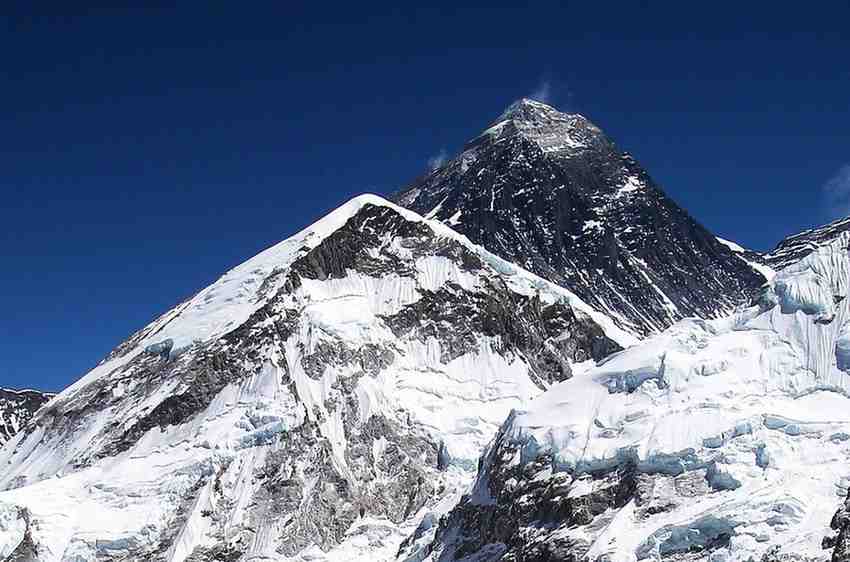
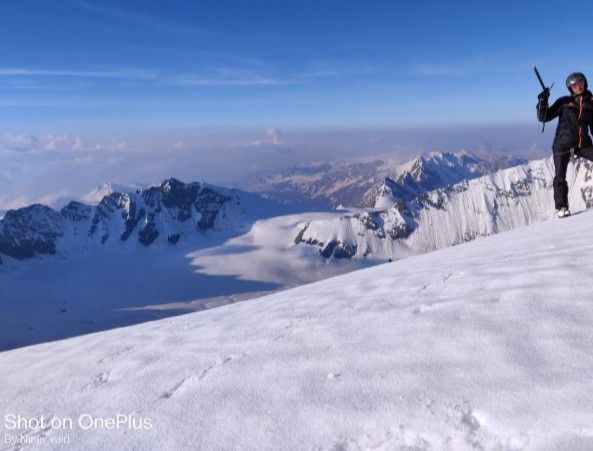
The summit offers breathtaking panoramic views across the Pir Panjal Range and neighboring Himalayan regions. Snow-covered peaks stretch endlessly toward Kullu, Lahaul, Spiti, and the Parvati Valley.
The silence of the high Himalayas combined with endless mountain landscapes creates an unforgettable experience that few climbers ever forget.
For many mountaineers, reaching the summit of Mount Papsura becomes one of the greatest achievements of their climbing careers.
Skills Developed During the Expedition
The Mount Papsura Expedition provides valuable experience that prepares climbers for even more advanced alpine objectives.
Participants improve their skills in:
Glacier travel
Fixed rope climbing
Ice axe techniques
Crampon movement
High-altitude decision-making
Expedition planning
Mountain safety
Team communication
These practical skills remain valuable for future Himalayan and international expeditions.
Why Choose the Mount Papsura Expedition?
Few mountains in India combine technical difficulty, remote wilderness, and spectacular scenery as successfully as Mount Papsura. The expedition offers serious climbers an opportunity to challenge themselves while experiencing one of the country's most respected alpine objectives.
Every stage of the expedition provides opportunities to strengthen physical endurance, technical ability, mental resilience, and teamwork. The friendships formed during the climb and the memories created in the mountains often last a lifetime.
Conclusion
The Mount Papsura Expedition is far more than simply climbing a mountain—it is a journey of determination, preparation, learning, and personal achievement. From the beautiful valleys of Himachal Pradesh to the technical summit ridge, every stage of the expedition delivers unforgettable experiences and remarkable challenges.
For experienced mountaineers looking to test their skills on one of the Indian Himalayas' most iconic peaks, Mount Papsura offers an adventure unlike any other. Reaching its summit is not only a mountaineering accomplishment but also a testament to perseverance, teamwork, and respect for the magnificent Himalayan wilderness.