Top 10 Most Commonly Misused Drugs in India 2026: Risks, Signs and Treatment Options
-

- July 31st, 2026
- 32 views

FREE SEO Topical Map Generator: Find Your Next Content Ideas
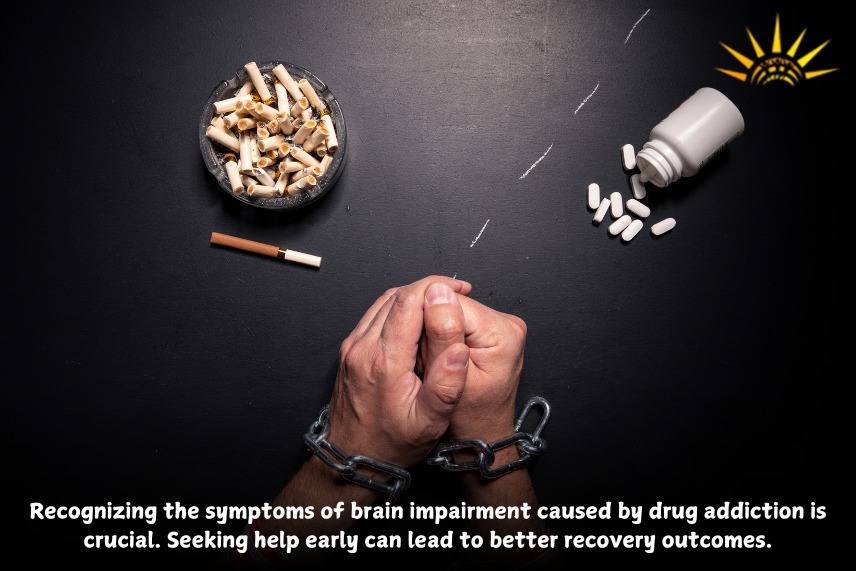
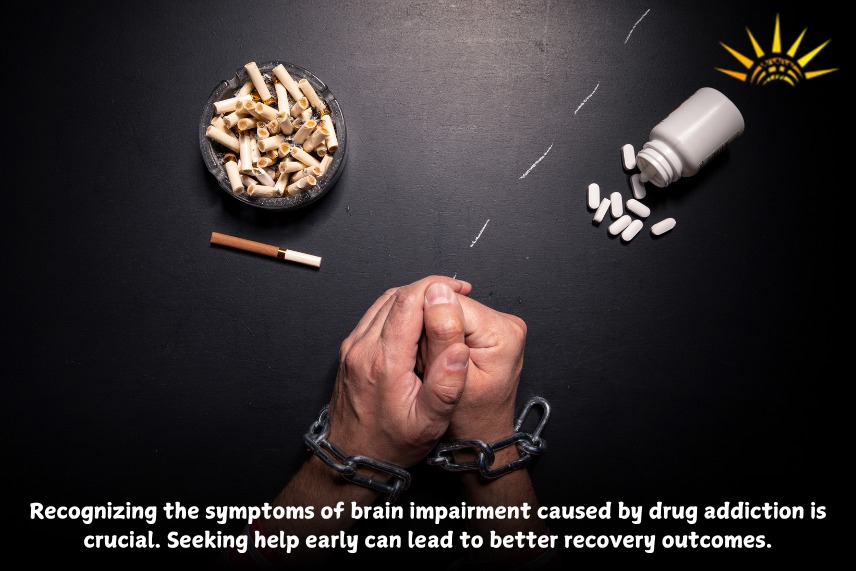
Substance misuse is a growing public health concern that affects individuals, families and communities. Understanding commonly misused substances, their warning signs, health effects and available treatment options can help in early intervention and recovery.
Top 10 Commonly Misused Drugs in India 2026 and Their Health Risks
Drug |
Category |
Major Health Risk |
Heroin |
Opioid |
Overdose, dependence |
Cocaine |
Stimulant |
Heart problems, anxiety |
Methamphetamine |
Stimulant |
Brain and mental health effects |
Prescription Opioids |
Medication misuse |
Breathing problems, overdose |
Cannabis |
Psychoactive substance |
Memory and concentration issues |
MDMA |
Synthetic stimulant |
Dehydration, overheating |
Synthetic Drugs |
Lab-made substances |
Unpredictable toxicity |
Inhalants |
Household chemicals |
Brain and organ damage |
Benzodiazepines |
Prescription sedatives |
Dependence and withdrawal |
Alcohol |
Depressant |
Liver and heart disease |
Top 10 Commonly Misused Drugs in India 2026
1. Heroin
Heroin is considered a highly addictive opioid because it strongly affects the brain's reward system and can quickly lead to physical dependence. It produces intense feelings of pleasure and relaxation, but repeated use increases the risk of tolerance, dependence, and overdose.
Many individuals initially experiment with heroin out of curiosity or peer influence. Unfortunately, even occasional use can lead to physical dependence. Over time, users often require higher doses to experience the same effect, increasing the risk of overdose.
Long-term heroin use can damage the brain, liver, lungs, and heart. It also weakens the immune system, making infections more common. Withdrawal symptoms such as severe body pain, sweating, anxiety, nausea, insomnia, and intense cravings often make quitting without medical supervision extremely difficult.
Because of these severe risks, heroin remains a high-risk substance requiring medical attention and professional rehabilitation.
2. Cocaine
Cocaine is a powerful stimulant that temporarily increases energy, confidence and alertness. Although many users believe it enhances performance, its long-term effects are extremely harmful.
Frequent cocaine use may lead to high blood pressure, irregular heartbeat, strokes, seizures, anxiety disorders, panic attacks, and severe depression. Continuous use also changes brain chemistry, making addiction increasingly difficult to overcome.
Cocaine misuse remains a serious health concern because repeated use can affect cardiovascular health and mental well-being. Consequently, cocaine misuse remains a significant public health concern requiring awareness, prevention, and timely treatment.
3. Methamphetamine (Meth)
Methamphetamine, commonly known as meth, is one of the fastest-acting stimulants affecting the central nervous system. It creates a short-lived feeling of intense happiness, increased energy, and reduced appetite.
However, repeated meth use rapidly damages both physical and mental health. Individuals may experience paranoia, aggressive behavior, hallucinations, memory loss, and severe dental problems commonly known as "meth mouth."
Long-term use can permanently affect brain function, making early treatment essential. Due to its devastating effects, meth is increasingly recognized among the Dangerous Drugs in India requiring urgent awareness and intervention.
4. Prescription Opioid Painkillers
Prescription pain medications are valuable when used under medical supervision. However, misuse of opioid medicines such as tramadol, morphine, oxycodone, or codeine-based medications has become increasingly common.
Some individuals begin taking these medicines after surgery or injury but continue using them because of the calming effects they produce. Gradually, tolerance develops, leading to higher doses and increased dependency.
Misusing prescription opioids can slow breathing, reduce heart rate, impair judgment, and increase the risk of fatal overdose. Proper medical monitoring and patient education remain essential for preventing opioid addiction.
5. Cannabis (Marijuana)
Cannabis, also known as marijuana, is one of the most widely used psychoactive substances in India. Although many people believe it is harmless, regular and excessive use can have serious consequences, especially for young adults whose brains are still developing.
The active compound in cannabis, tetrahydrocannabinol (THC), affects memory, concentration, decision-making, and coordination. While some users experience temporary relaxation, others may develop anxiety, panic attacks, paranoia, or hallucinations after consuming high-potency cannabis.
Long-term cannabis misuse can reduce motivation, affect academic or professional performance, and increase the risk of mental health disorders in susceptible individuals. Therefore, cannabis continues to be listed among the most commonly misused drugs in India 2026 and contributes significantly to Drug addiction in India.
6. MDMA (Ecstasy)
MDMA, commonly known as Ecstasy or Molly, is a synthetic drug that acts as both a stimulant and a hallucinogen. It is often associated with parties, music festivals, and nightlife because it temporarily increases energy and creates feelings of emotional closeness.
However, these short-term effects come with serious risks. MDMA can cause dehydration, dangerously high body temperature, rapid heartbeat, high blood pressure, confusion, and, in severe cases, organ failure.
Repeated use may damage the brain's serotonin system, leading to depression, memory problems, anxiety, and sleep disturbances. Since the purity of illegally sold MDMA is unpredictable, users may unknowingly consume harmful substances mixed with the drug. This makes it one of the Dangerous Drugs in India.
7. Synthetic Drugs
Synthetic drugs are laboratory-made substances designed to mimic the effects of natural drugs. Examples include synthetic cannabinoids and synthetic cathinones, often marketed under misleading names.
One of the greatest dangers of synthetic drugs is that their chemical composition frequently changes. As a result, users rarely know what they are consuming. Even small doses can lead to severe reactions such as seizures, violent behavior, hallucinations, kidney damage, heart problems, or sudden death.
Because of their unpredictable nature and increasing availability through illegal markets, synthetic drugs are becoming an important concern in Drug awareness India 2026 campaigns.
8. Inhalants
Inhalants include household products such as adhesives, paint thinners, correction fluids, aerosol sprays, petrol, and cleaning agents. These substances are often misused because they are inexpensive and easily available.
Although the effects last only a short time, inhalants can cause dizziness, poor coordination, slurred speech, confusion, and loss of consciousness. Repeated exposure damages the brain, liver, kidneys, lungs, and nervous system.
Young adolescents are particularly vulnerable because many inhalants are common household products. Consequently, parents and teachers should remain alert to unusual odors, hidden containers, or sudden behavioral changes.
9. Benzodiazepines
Benzodiazepines are prescription medicines commonly used to treat anxiety, insomnia, and certain neurological conditions. Examples include alprazolam, diazepam, and clonazepam.
When taken according to a doctor's advice, these medicines can be highly effective. However, misuse occurs when individuals take higher doses, use them without a prescription, or combine them with alcohol or opioids.
Long-term misuse may result in dependence, memory problems, poor concentration, slowed reflexes, mood changes, and dangerous withdrawal symptoms. Since these medicines affect the central nervous system, sudden discontinuation without medical supervision can be life-threatening.
For this reason, benzodiazepines remain among the Most abused drugs in India despite being legally available by prescription.
10. Alcohol
Although alcohol is legal for adults in many states, it remains one of the most commonly misused substances in India. Excessive drinking contributes to liver disease, heart disease, pancreatitis, high blood pressure, depression, road accidents, domestic violence, and several types of cancer.
Many people fail to recognize alcohol addiction because drinking is socially accepted in various settings. However, when alcohol begins affecting work, relationships, finances, or health, professional help becomes necessary.
Because of its widespread use and severe long-term consequences, alcohol continues to rank among the Most Commonly Misused Drugs in India 2026.
Signs of drug addiction
Recognizing the Signs of drug addiction at an early stage can prevent serious complications. Addiction usually develops gradually, and the warning signs often appear before the individual realizes there is a problem.
Physical signs may include sudden weight changes, red eyes, poor personal hygiene, frequent fatigue, unusual sleep patterns, tremors, or unexplained injuries.
Behavioral changes are equally important. A person may become secretive, withdraw from family members, lose interest in hobbies, experience declining academic or workplace performance, frequently ask for money, or display sudden mood swings.
Psychological symptoms often include anxiety, depression, irritability, poor concentration, memory problems, paranoia, and loss of motivation.
No single symptom confirms addiction. However, the presence of multiple warning signs should encourage a professional medical assessment.
Final Thoughts
The Most Commonly Misused Drugs in India 2026 continue to pose a significant challenge to individuals, families, and healthcare systems. From heroin and cocaine to prescription medicines, alcohol, cannabis, and synthetic drugs, each substance carries unique risks that can affect both physical and mental health.
Understanding the Most Commonly Misused Drugs in India 2026 is not only important for those who use these substances but also for parents, teachers, employers, and communities. Awareness leads to early recognition, timely intervention, and better outcomes.
The good news is that recovery is possible. Modern drug addiction treatment in India programs combine medical care, counseling, behavioral therapy, and family support to help individuals regain control of their lives. Professional Drug rehabilitation centers in India offer structured treatment that addresses both the physical and psychological aspects of addiction.
As Drug awareness India 2026 continues to grow, education, prevention, and compassionate care will remain the strongest tools in reducing substance misuse across the country. If you notice the signs of drug addiction in yourself or someone close to you, seeking professional help without delay can make a meaningful difference. Every recovery journey begins with a single step, and timely support can help individuals move toward a healthier life with sustained recovery.
Frequently Asked Questions (FAQs)
What are the Most Commonly Misused Drugs in India 2026?
The Most Commonly Misused Drugs in India 2026 include heroin, cocaine, methamphetamine, cannabis, alcohol, prescription opioid painkillers, benzodiazepines, MDMA (Ecstasy), inhalants, and synthetic drugs. These substances are associated with a high risk of addiction and serious health complications.
Which are the Most Dangerous Drugs in India?
Heroin, methamphetamine, cocaine, synthetic drugs, and fentanyl-like opioids (where available) are considered among the Most Dangerous Drugs in India because they have a high potential for addiction, overdose, and long-term physical and mental health damage.
What are the early signs of drug addiction?
Common Signs of drug addiction include strong cravings, frequent mood changes, poor concentration, declining academic or work performance, secrecy, financial problems, withdrawal from family or friends, sleep disturbances, and neglect of personal responsibilities.
Can drug addiction be treated successfully?
Yes. With early diagnosis, medical supervision, counseling, behavioral therapies, family support, and continued follow-up, many individuals recover successfully from substance use disorders.