Beyond Academics: What Makes an Indian School in Dubai Truly Stand Out?
-

- July 27th, 2026
- 18 views

FREE SEO Topical Map Generator: Find Your Next Content Ideas
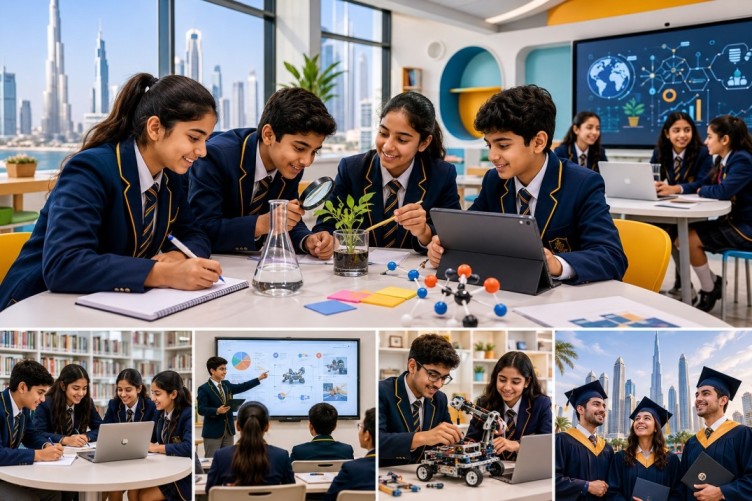
For numerous families relocating to Dubai, the academic track record of an Indian school is often their top priority when making a choice. However, education today extends far beyond examination results and university admissions. Traditionally, academic excellence has been measured through examination results, university placements, and the strength of the curriculum. However, as Dubai's educational landscape continues to evolve, families are increasingly considering factors that extend beyond academics when evaluating Indian schools in Dubai.
Today's parents understand that academic achievement is only one part of a child's educational journey. They are increasingly seeking schools that nurture curiosity, resilience, compassion, and the skills needed to thrive in an ever-changing world.
The Changing Definition of "Best"
When parents search for the best Indian school in Dubai, they are looking for more than a strong CBSE curriculum. They want a school that reflects their values, supports their child's overall development, and prepares them for the challenges of a rapidly changing world.
Today, a school's reputation depends not only on academic excellence but also on its ability to develop confident, responsible, and well-rounded individuals. One of the clearest indicators is the school's commitment to social responsibility and sustainability initiatives. An example of this is the Sabari Indian School, which received the Bronze Award for Socially Responsible School at the Global Sustainable Awards 2024, among 50 other schools from around the world.
Why Social Responsibility Is a Growing Priority
Families are increasingly recognizing that the skills essential for future success extend far beyond what is taught in the classroom. Employers and universities increasingly value candidates who demonstrate leadership, teamwork, emotional intelligence, and civic responsibility.
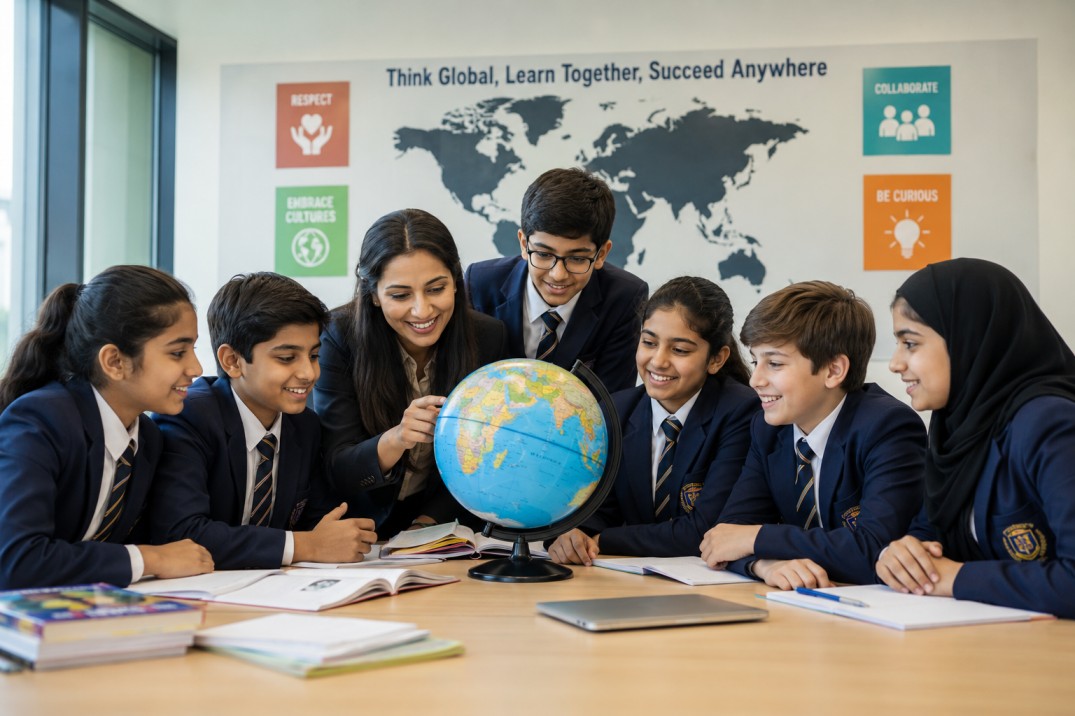
Schools such as Sabari Indian School demonstrate this commitment through initiatives that extend learning beyond the classroom. These initiatives, including recycling programs, beach clean-up drives, tree-planting campaigns, and other environmental awareness activities, are embedded in the school's culture. By organizing awareness workshops in collaboration with Dubai Municipality and promoting understanding of the UN SDGs, the school empowers its students to become responsible global citizens.
Real-World Learning and Community Engagement
Socially responsible education offers several long-term benefits for students. Students develop empathy, leadership, and social awareness through their involvement in community projects. These qualities are strengthened in a school’s longstanding tradition of community engagement. For example, Sabari Indian School hosted the 'Carnival of Giving,' where nearly 350 students and community members came together to raise funds for Dubai Cares, an organization dedicated to promoting education for underprivileged children.
These experiences help students understand their ability to create positive change. Unlike an education focused solely on academic achievement, these experiences encourage students to develop responsibility, confidence, and purpose.
The Link Between Values, Facilities, and Quality
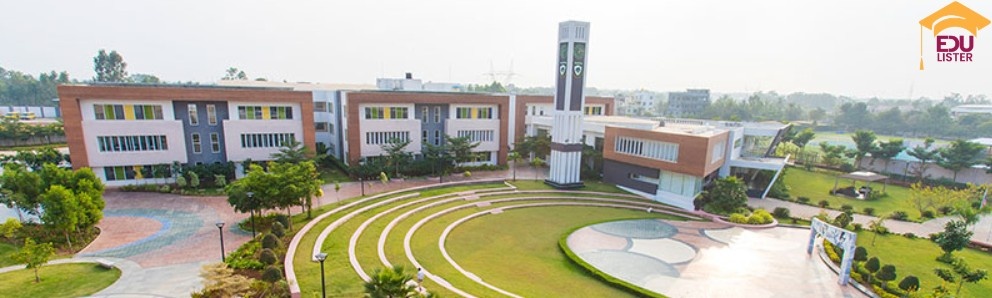
A school’s commitment to holistic development often goes hand in hand with its investment in quality infrastructure. Schools that emphasize character development also cultivate environments that nurture both physical and creative abilities. Top Indian schools in Dubai provide state-of-the-art amenities, including sports facilities, swimming pools, science labs, innovation spaces, libraries, and creative arts centers.
The Knowledge and Human Development Authority (KHDA) helps maintain educational quality standards across Dubai's private schools. This is accomplished by regulating schools and providing comprehensive ratings, empowering parents to make informed choices and ensuring that, even as standards evolve, the quality of education remains consistently high. Parents can also review KHDA inspection reports to understand a school's academic performance, student well-being, leadership quality, and overall learning environment before making an admission decision.
Other Factors Parents Should Consider
Beyond academic performance and facilities, parents should also evaluate teacher experience, student well-being, classroom size, career guidance, digital learning resources, parent-school communication, and opportunities for leadership. Together, these factors contribute to a child's overall educational experience and long-term development.
FAQs
Q1. What is meant by being "socially responsible" in the context of an Indian school in Dubai?
Social responsibility means integrating core social values into every aspect of a school’s educational approach. Such school-led initiatives as tree planting and recycling drives encourage children to develop greater awareness and empathy for their community.
Q2. How can parents determine whether a school promotes holistic education?
Academic performance is important, but it should not be the only factor when evaluating a school. Investigate the school’s website and visit the school campus to see what goes on. Look for evidence of extracurricular activities, student clubs, volunteer opportunities, and partnerships with local organizations. A school that organizes sustainability workshops or implements a sustainability policy, like Sabari Indian School, demonstrates a commendable commitment to environmental responsibility.
Q3. What role does KHDA play while assessing the educational institutions of Dubai?
The acronym KHDA refers to the Knowledge and Human Development Authority. KHDA is the regulatory authority that regulates all private schools in Dubai. KHDA conducts annual inspections of schools and publishes detailed reports and ratings that evaluate school performance across multiple areas. These include students' achievements, teachers' competence, leadership, and students' well-being.
Q4. Are sports fields and swimming pools common in Indian schools in Dubai?
Many established Indian schools in Dubai actively strive to provide holistic education by investing in quality infrastructure. Numerous schools are equipped with sports fields, swimming pools, and dedicated laboratories for arts and graphic design.
Q5. Why is it important to emphasize sustainability in education?
Integrating sustainability into education helps learners understand their responsibilities as global citizens, especially in addressing critical issues like climate change and other environmental challenges. This enables them to think critically, solve problems, and act responsibly towards society and the earth.
Conclusion
Choosing the best Indian school in Dubai involves evaluating far more than academic rankings alone. It means finding a learning community that nurtures your child’s character, morals, and sense of responsibility, alongside their intellectual growth. With rising expectations in education, schools that prioritize social responsibility and sustainability—such as Sabari Indian School—are leading the way in establishing new standards of excellence. Touring the campus, engaging with teachers, and examining recent KHDA inspection reports can help families select a school that best supports their child’s growth and long-term success.