How Indian Schools in Dubai Prepare Students for Success in a Globally Mobile World
-

- June 25th, 2026
- 18 views

FREE SEO Topical Map Generator: Find Your Next Content Ideas
The modern educational journey is no longer confined to a single city or country. Many families today relocate across borders due to career opportunities, business commitments, and evolving lifestyle preferences. As a result, parents increasingly seek schools that can provide academic continuity while helping children adapt to diverse cultural and educational environments.
This growing need is one of the reasons why Indian schools in Dubai continue to attract expatriate families. By combining a familiar curriculum with exposure to a multicultural environment, these schools help students develop the skills needed to succeed in an increasingly interconnected world.
The Reality of Global Mobility
For many expatriate families, relocation is not a one-time event but an ongoing part of life. A student may begin their education in India, continue their schooling in Dubai, and later pursue university studies in another country. Each transition can bring academic, social, and emotional adjustments.
Common challenges may include:
Maintaining academic continuity
Adapting to new cultural environments
Building new friendships and support networks
Adjusting to different teaching methods
Understanding varying university admission systems
Schools that understand these realities are often better positioned to support students throughout their educational journey.
Why Curriculum Continuity Matters
One of the key advantages of the Indian curriculum is the consistency it offers students across different educational stages and locations.
Learners enrolled in systematic educational programs may undergo:
Gradual progression through grade levels
Relatively stable subject structures
Predictable academic processes
Easier transfer to different schools
Minimal disruptions due to family relocations
For overseas Indians, this continuity helps minimize challenges associated with international moves and provides students with a stable foundation for their education.
For example, a student transferring from India to Dubai within the same curriculum framework may experience fewer academic disruptions and a smoother transition between grade levels.
Learning to Navigate Diverse Environments
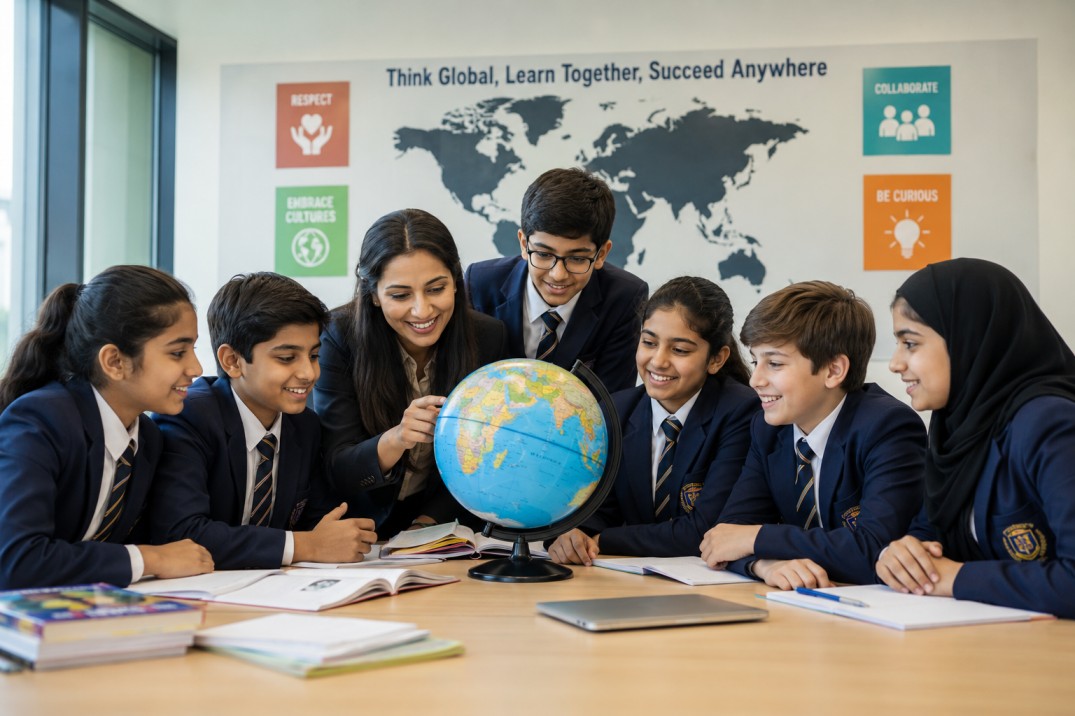
As one of the world's most diverse cities, Dubai offers students daily exposure to different cultures, perspectives, and ways of thinking. Students regularly interact with peers from different nationalities, cultures, and backgrounds, creating valuable opportunities for personal growth.
Through daily classroom interactions and collaborative activities, students may develop:
Cultural awareness
Respect for diverse perspectives
Intercultural communication skills
Collaborative problem-solving abilities
A broader global outlook
These experiences help students become more confident and adaptable when studying, working, or living in international environments later in life.
Adaptability Through Day-to-Day Life Experiences
Adaptability has become one of the most sought-after skills in modern education and employment. Rather than being taught directly, it is often developed through everyday experiences within the school environment.
Students may encounter:
New classmates joining throughout the academic year
Collaborative projects with diverse teams
Exposure to different teaching styles
International events and educational initiatives
Opportunities to engage with new perspectives
Over time, these experiences help students become more comfortable with change and better equipped to navigate unfamiliar situations.
The Importance of Communication Skills
In an increasingly interconnected world, the ability to communicate clearly and confidently is an important skill that complements academic achievement. Many schools support the development of these skills through classroom activities, collaborative learning, and opportunities for self-expression.
Public speaking
Presentation of information
Discussion in groups
Writing
Listening
Strong communication skills help children build self-confidence in both academic and social settings.
Supporting Students Through Transitions
Educational transitions can sometimes be challenging for students, particularly when relocating internationally or adapting to a new educational system. During such periods, students may need support as they adjust to new academic expectations, social environments, and routines.
Some schools have the capability of providing:
Orientation programs
Academic guidance
Mentoring for students
Counseling
Peer support programs
Technology and Global Learning Opportunities
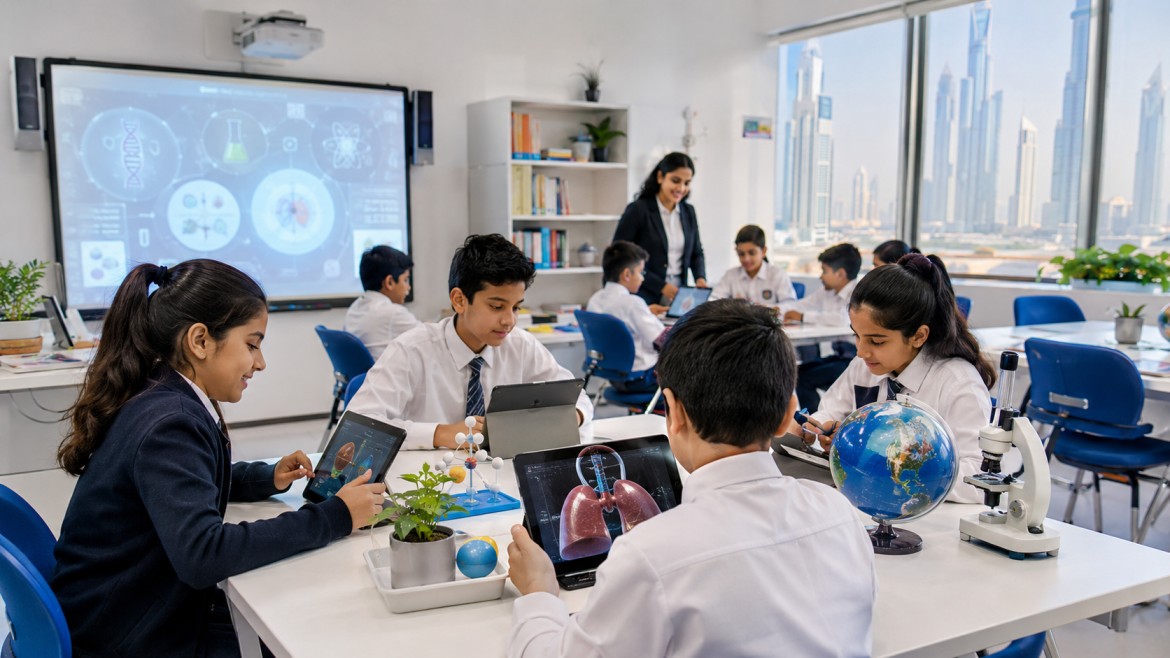
Technology continues to transform how students learn, communicate, and collaborate. Modern classrooms increasingly integrate digital tools that extend learning beyond traditional textbooks and physical classrooms.
Students may benefit from:
Virtual collaboration projects
Access to global learning resources
Educational research platforms
Interactive digital learning tools
Opportunities to connect with learners worldwide
These experiences support the development of digital literacy, critical thinking, and collaboration skills that are becoming essential in higher education and future careers.
Encouraging Independence and Responsibility
Beyond technological literacy, modern education also places increasing emphasis on personal development and self-management skills. As young learners progress through their educational journey, developing independence becomes increasingly important for their long-term growth and success.
The following are some methods by which schools instill a sense of responsibility in students:
Projects
Leadership
Student councils
Time management exercises
Independent studies
Through these experiences, students gain confidence in making decisions while learning the importance of responsibility and accountability.
Independent learning skills can be particularly valuable for families that relocate frequently.
Preparing for Multiple University Pathways
Many students attending Indian curriculum schools in Dubai explore higher education opportunities across multiple countries. As university admissions become increasingly global, exposure to different educational pathways can be highly beneficial.
Popular study destinations often include:
India
United Arab Emirates
United Kingdom
Canada
Australia
United States
Understanding varying admission requirements, qualification frameworks, and academic expectations helps students make informed decisions about their future educational goals.
The Value of Maintaining Cultural Connections
While global readiness is important, maintaining a strong sense of cultural identity remains equally valuable for many students and families.
Indian schools provide students with opportunities to maintain their connection with their culture by:
Language learning and preservation
Festivals
Artistic skills
Community events
Value-based education
Life Skills That Extend Beyond the Classroom
Academic achievement remains important, but long-term success increasingly depends on a broader range of personal and professional skills. Employers and universities alike value individuals who can think critically, collaborate effectively, and adapt to change.
Key skills often developed through school activities include:
Problem-solving
Teamwork
Emotional intelligence
Leadership
Creativity
Flexibility
These competencies are frequently nurtured through projects, extracurricular activities, leadership opportunities, and collaborative learning experiences, helping students become lifelong learners.
Why Educational Flexibility Matters
Not all students have the same educational experiences.
Some families remain in Dubai for many years, while others may relocate several times throughout their children's educational journey.
An educational institution that embraces flexibility can effectively address these diverse needs and aspirations.
This flexibility has become a crucial factor when choosing between Indian schools in Dubai.
FAQs
Q1. Why do many expatriate families prefer an Indian school in Dubai?
Families are drawn to Indian curriculum-based schools for their continuity of studies, cultural compatibility, and international outlook.
Q2. How do Indian schools in Dubai encourage multicultural education?
Indian schools in Dubai often bring together students from diverse cultural and national backgrounds. Through classroom activities, group projects, and extracurricular programs, students gain exposure to different perspectives and develop intercultural communication skills.
Q3. Why is adaptability such an important attribute in the modern world?
Adaptability empowers children to adjust and thrive in constantly evolving educational and professional environments.
Q4. Are students from Indian curriculum schools well-prepared to study at international universities?
Students from Indian curriculum schools successfully gain admission to universities in India, the UAE, the UK, North America, Australia, and beyond.
Q5. What are the important life skills that need to be incorporated in the education system today?
Some life skills include communication, collaboration, emotional intelligence, leadership, creativity, and problem-solving.
Conclusion
As families become increasingly mobile, the role of education extends far beyond academic instruction. Students need stability, adaptability, cultural awareness, and the confidence to thrive in changing environments.
Indian schools in Dubai help address these needs by combining academic continuity with opportunities for personal growth, multicultural engagement, and future-focused learning. By nurturing both educational achievement and essential life skills, these schools prepare students not only for examinations and university admissions but also for success in a globally connected world.