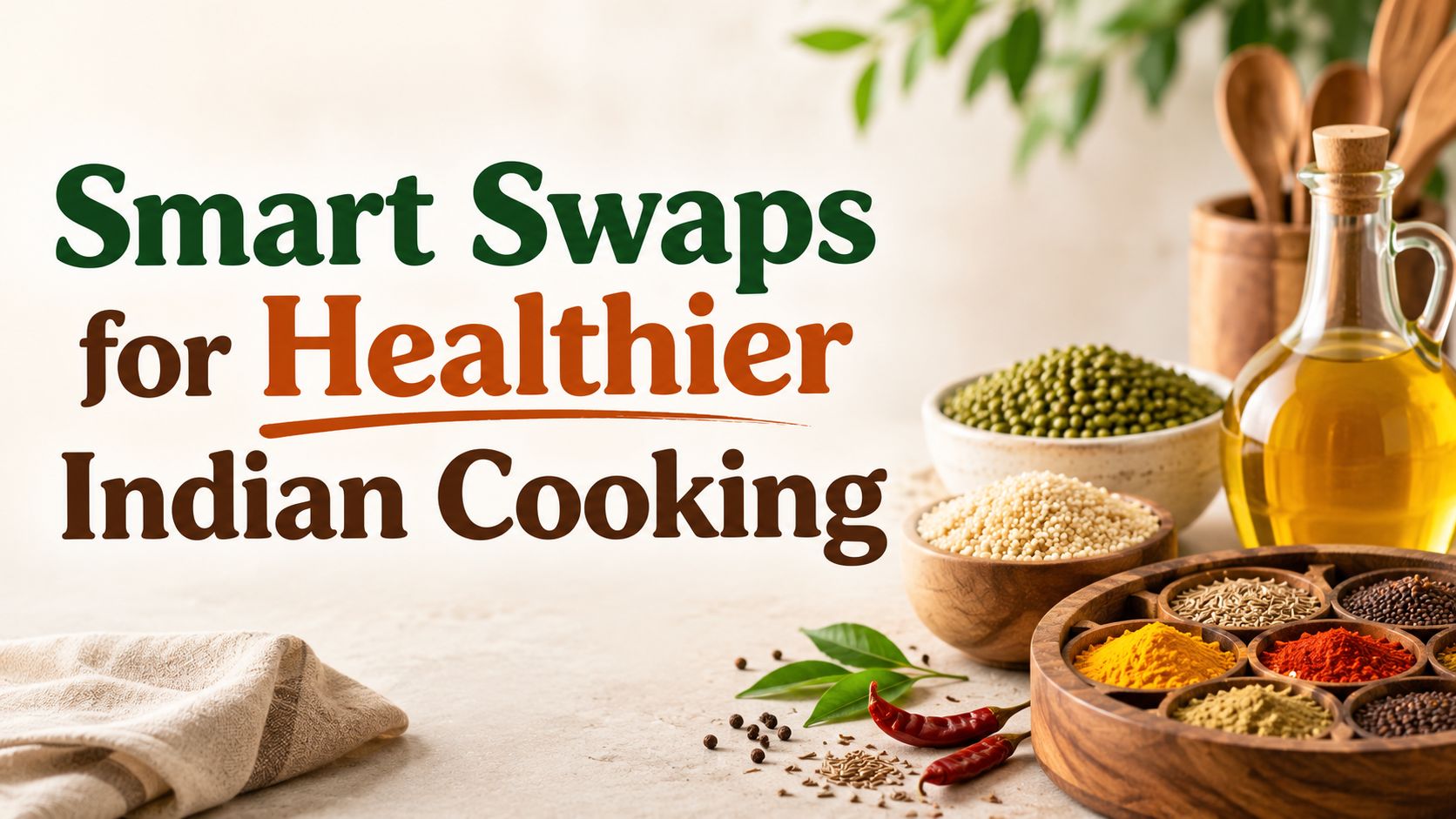
Smart Swaps for Healthier Indian Cooking
-

- July 21st, 2026
- 40 views

FREE SEO Topical Map Generator: Find Your Next Content Ideas
Indian food is full of flavour.
From comforting dal to homemade curries, our kitchens already have plenty of nutritious ingredients.
Still, small cooking habits can sometimes add extra oil, sugar, salt, or refined ingredients without us even noticing.
The good news?
You don't have to give up your favourite meals.
A few smart swaps can make everyday cooking more balanced while keeping the taste you enjoy.
Healthy eating isn't about changing everything overnight.
It's about making small improvements that fit naturally into your routine.
Let's look at some easy swaps you can start using in your own kitchen.
Why Small Swaps Make a Big Difference
Many people think eating healthy means following a strict diet.
That's rarely necessary.
Simple changes repeated every day often have a greater impact than dramatic changes that last only a few weeks.
For example:
Choosing whole grains more often.
Adding extra vegetables.
Using less oil while cooking.
Replacing sugary drinks with healthier options.
None of these changes feels overwhelming.
Yet together, they can improve the nutritional quality of your meals.
Swap Refined Flour for Whole Wheat
Refined flour is commonly used in many Indian snacks and breads.
Whenever possible, choose whole wheat flour instead.
Whole wheat contains more fibre and naturally occurring nutrients.
You can use it for:
Chapatis
Homemade parathas
Rotis
Vegetable wraps
You don't have to replace everything at once.
Even switching a few times each week is a good start.
Replace Deep Frying with Healthier Cooking Methods
Crispy food is delicious.
There's no denying that.
Still, deep frying every day may add more fat than your body needs.
Instead, try:
Roasting
Grilling
Steaming
Pressure cooking
Air frying
Light sautéing
These methods help preserve flavour while reducing the amount of oil used.
Add More Vegetables to Everyday Dishes
This is probably one of the easiest healthy swaps.
You don't need separate vegetable dishes every time.
Simply add extra vegetables to meals you already prepare.
For example:
Spinach in dal
Carrots in poha
Peas in pulao
Capsicum in upma
Mixed vegetables in khichdi
A little extra colour often means more vitamins, minerals, and fiber.
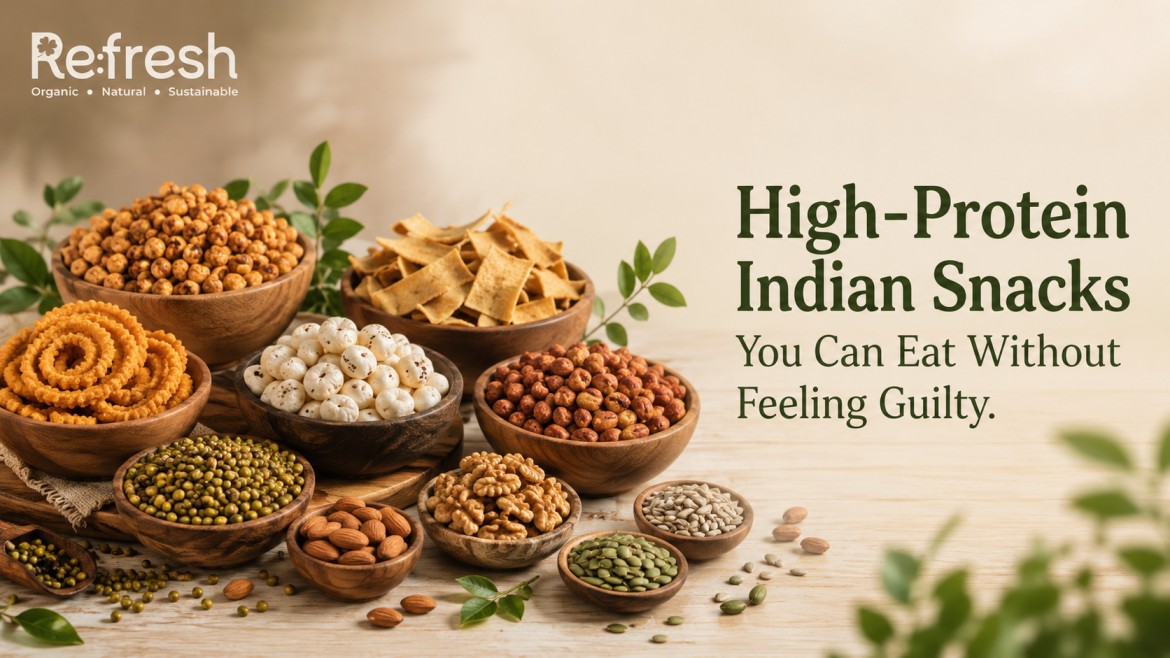
Choose Homemade Snacks More Often
When hunger strikes between meals, packaged snacks often become the easiest choice.
Keeping homemade options ready can make healthy eating much simpler.
Some ideas include:
Roasted chana
Fresh fruit
Sprouts chaat
Makhana
Boiled corn
Mixed nuts
These snacks are filling and easy to prepare.
Replace Sugary Drinks with Healthier Choices
Soft drinks and packaged juices can add a surprising amount of sugar.
Instead, try:
Plain water
Buttermilk
Lemon water without excess sugar
Fresh coconut water
These drinks help with hydration while fitting more naturally into a balanced diet.
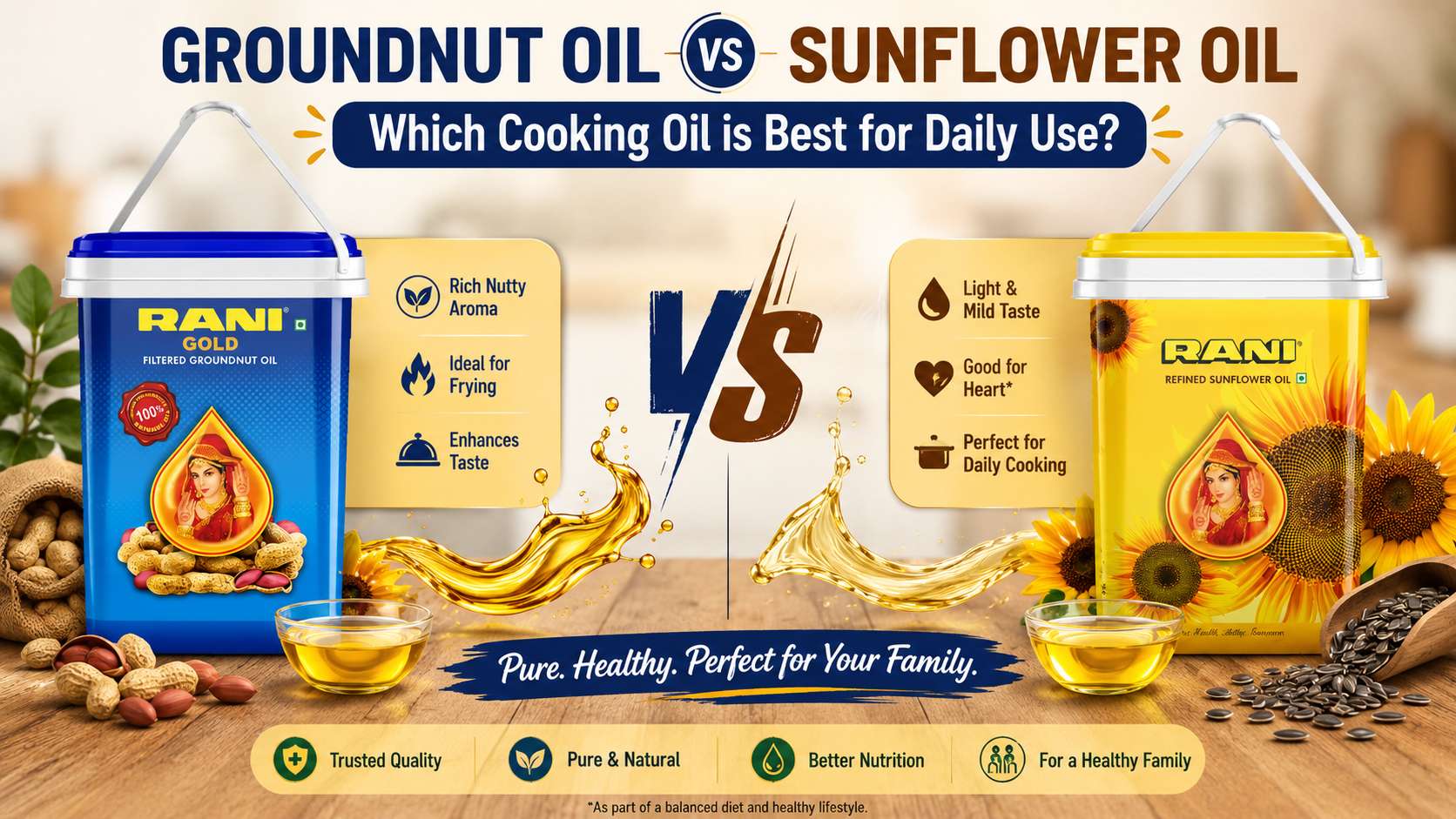
Switch to Healthier Cooking Oils in Moderate Amounts
Oil is an important part of Indian cooking.
The goal isn't to avoid it completely.
It's to use it wisely.
Measure the amount instead of pouring directly from the bottle.
Simple habits like this help you stay aware of how much oil you're using without changing the taste of your meals.
Add Protein to Every Lunch and Dinner
Meals that include protein often keep you satisfied for longer.
Simple protein-rich foods include:
Dal
Rajma
Chole
Paneer
Eggs
Curd
You don't need large portions.
Including one protein source with each meal is often enough.
Swap White Rice Occasionally with Whole Grains
Rice is a staple in many Indian homes.
There's no need to remove it from your diet.
For variety, try including:
Brown rice
Jowar
Bajra
Ragi
Foxtail millet
Rotating different grains during the week naturally increases the variety of nutrients in your meals.
Cook More Meals at Home
Restaurant food is enjoyable.
But homemade meals usually give you greater control over:
Salt
Oil
Portion size
Ingredients
Even simple home-cooked meals can support better nutrition when prepared with fresh ingredients.
Personalised Changes Work Better Than Strict Rules
Not every swap works for every person.
Some people have higher energy needs.
Others may have food allergies or medical conditions that affect their diet.
According to the Best Nutritionist in Mumbai, choosing practical food swaps that fit your lifestyle is often more sustainable than trying to change your eating habits completely.
Small adjustments that fit into your daily routine are much easier to maintain than restrictive eating plans.
Read Food Labels When Buying Packaged Foods
Not every packaged food is the same.
Taking a minute to read the label can help you make better choices.
Look at:
Added sugar
Sodium content
Ingredients list
Serving size
This simple habit makes it easier to compare products before buying them.
Plan Simple Meals Ahead of Time
Healthy cooking becomes much easier when you know what you're going to prepare.
You don't need a detailed weekly plan.
Even deciding tomorrow's lunch or dinner the night before can save time and reduce the temptation to order takeaway.
Keep your meals simple and realistic.
Choose Nutrition Advice You Can Trust
Healthy cooking doesn't require expensive ingredients or complicated recipes.
When making changes to your diet, rely on guidance from qualified nutrition professionals who use scientific research and recognised dietary guidelines. Advice that matches your health needs, lifestyle, and food preferences is far more useful than following social media trends or restrictive diets.
Building balanced eating habits one meal at a time is usually the most sustainable approach.
Healthy Cooking Starts With Small Changes
You don't have to change every recipe in your kitchen.
Start with one smart swap.
Add more vegetables to your meals.
Choose whole grains more often.
Reduce excess oil where you can.
Cook at home whenever possible.
Over time, these simple changes become everyday habits, helping you enjoy traditional Indian food while supporting better nutrition.