What Causes Frozen Shoulder and How Can It Be Treated Effectively?
-

- July 02nd, 2026
- 37 views

FREE SEO Topical Map Generator: Find Your Next Content Ideas
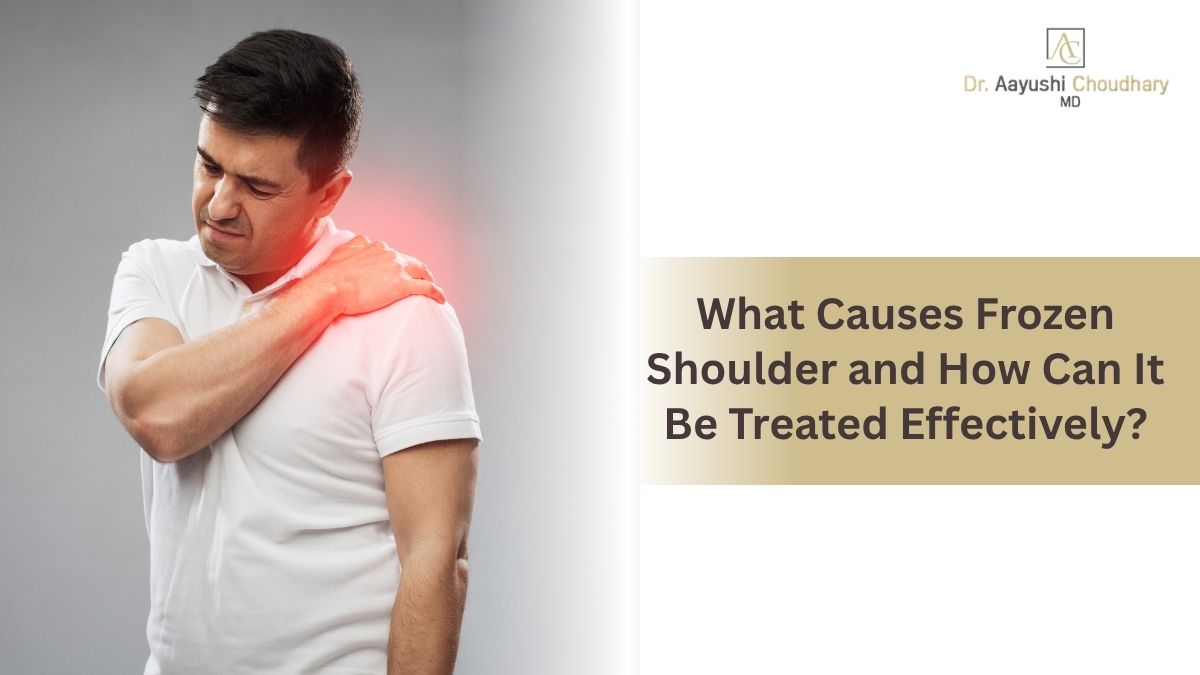
Have you ever experienced a shoulder that gradually becomes so stiff and painful that even simple tasks like combing your hair, reaching for a shelf, or fastening a seatbelt become difficult? If so, you may be dealing with frozen shoulder, a condition medically known as adhesive capsulitis.
Frozen shoulder is a common yet often misunderstood condition that affects shoulder movement and quality of life. The good news is that with timely diagnosis and the right frozen shoulder treatment, most people can regain mobility and return to their normal activities.
If you're looking for expert frozen shoulder treatment in Jaipurfrozen shoulder treatment in Jaipur, understanding the causes, symptoms, and treatment options can help you take the right steps toward recovery.
What Is a Frozen Shoulder?
Frozen shoulder, or adhesive capsulitis, occurs when the connective tissue surrounding the shoulder joint becomes inflamed, thickened, and tight. This process leads to shoulder stiffness, pain, and a significant reduction in the shoulder's range of motion.
The condition typically develops gradually and progresses through different stages, making early intervention essential for successful recovery.
What Causes Frozen Shoulder?
One of the most frequently asked questions is: What causes frozen shoulder?
While the exact cause is not always clear, several factors can contribute to the development of this condition.
1. Shoulder Joint Inflammation
Inflammation within the shoulder joint can trigger changes in the joint capsule. Over time, this inflammation may lead to thickening of the shoulder capsule, restricting movement and causing pain.
2. Prolonged Shoulder Immobility
A shoulder that remains inactive for extended periods is at higher risk of developing frozen shoulder. This commonly occurs after:
- Fractures
- Rotator cuff injuries
- Shoulder dislocations
- Stroke recovery
- Prolonged bed rest
This is one of the most common reasons for frozen shoulder after injury.
3. Frozen Shoulder After Surgery
Patients who undergo shoulder, chest, or upper-arm surgery may experience reduced shoulder movement during recovery. This prolonged immobility can contribute to secondary adhesive capsulitis.
4. Diabetes and Frozen Shoulder
Research has shown a strong connection between diabetes and frozen shoulder. People with diabetes are significantly more likely to develop adhesive capsulitis compared to the general population.
5. Inflammatory Shoulder Conditions
Certain inflammatory disorders can affect shoulder tissues and increase the likelihood of developing frozen shoulder. Examples include:
- Rheumatoid arthritis
- Thyroid disorders
- Autoimmune conditions
6. Age-Related Shoulder Stiffness
Frozen shoulder most commonly affects people between 40 and 60 years of age. Natural age-related changes in connective tissues may contribute to shoulder capsule tightening and reduced flexibility.
7. Frozen Shoulder in Women
Studies suggest that women are more likely than men to develop frozen shoulder, particularly during middle age.
Common Risk Factors for Frozen Shoulder
Several risk factors for frozen shoulder can increase your chances of developing the condition:
- Diabetes
- Thyroid disease
- Previous shoulder injury
- Recent shoulder surgery
- Heart disease
- Parkinson's disease
- Stroke
- Prolonged shoulder immobility
- Chronic inflammatory conditions
Understanding these risk factors can help in early prevention and treatment.
Frozen Shoulder Symptoms
Recognizing frozen shoulder symptoms early can lead to faster treatment and better outcomes.
- Common symptoms include:
- Persistent shoulder pain
- Gradual onset of stiffness
- Difficulty raising the arm
- Reduced shoulder mobility
- Pain during sleep
- Difficulty performing daily activities
- Shoulder mobility loss
Symptoms usually worsen gradually over time rather than appearing suddenly.
Stages of Frozen Shoulder
Frozen shoulder generally progresses through three stages:
1. Freezing Stage
- Increasing pain
- Gradual loss of movement
- Pain often worse at night
2. Frozen Stage
- Pain may decrease slightly
- Significant stiffness develops
- Daily activities become difficult
3. Thawing Stage
- Shoulder mobility slowly improves
- Pain continues to decrease
- Recovery begins
Many patients ask: How long does frozen shoulder last?
The condition can last anywhere from several months to three years, depending on severity and treatment.
How Is Frozen Shoulder Diagnosed?
Proper frozen shoulder diagnosis is essential because other shoulder conditions can produce similar symptoms.
A qualified Shoulder pain specialist in Jaipur may use:
- Detailed medical history
- Physical examination
- Range-of-motion assessment
- X-rays
- Ultrasound
- MRI scans if necessary
These evaluations help rule out other shoulder joint disorders and confirm the diagnosis.
How Is Frozen Shoulder Treated?
Another common question is: How is frozen shoulder treated?
Treatment focuses on reducing pain, restoring movement, and improving shoulder function.
1. Physiotherapy
Physiotherapy is often considered the cornerstone of frozen shoulder treatment.
Specialized stretching and strengthening exercises help:
- Improve flexibility
- Restore mobility
- Reduce stiffness
- Prevent further restrictions
Many patients ask: Can physiotherapy cure frozen shoulder?
In many cases, physiotherapy significantly improves symptoms and helps patients recover without surgery.
2. Pain Management Treatments
A qualified Pain Specialist in Jaipur may recommend various pain management options, including:
- Anti-inflammatory medications
- Pain-relief medications
- Activity modifications
- Guided rehabilitation programs
These treatments help reduce discomfort and improve participation in therapy.
3. Corticosteroid Injections
For severe pain and inflammation, corticosteroid injections may be used to:
- Reduce inflammation
- Improve shoulder movement
- Accelerate rehabilitation
They are particularly beneficial during the early stages of frozen shoulder.
4. Hydrodilatation
This minimally invasive procedure involves injecting sterile fluid into the shoulder joint capsule to stretch the tightened tissues and improve mobility.
5. Advanced Interventional Pain Procedures
Specialized pain management techniques may be recommended when conservative measures fail to provide adequate relief. These procedures can help reduce pain and facilitate faster rehabilitation.
6. Surgery
Patients often wonder: When is surgery needed for frozen shoulder?
Surgery is usually considered only when:
- Symptoms persist despite months of treatment
- Severe stiffness significantly limits function
- Conservative treatments fail
- Procedures may include:
- Manipulation under anesthesia
- Arthroscopic capsular release
Fortunately, most patients recover without surgery.
Can Frozen Shoulder Heal on Its Own?
A frequently asked question is: Can frozen shoulder heal on its own?
In some cases, symptoms may gradually improve over time. However, relying solely on natural recovery can lead to prolonged discomfort, reduced function, and slower restoration of movement.
Seeking early shoulder pain treatment can often shorten recovery time and improve outcomes.
Is Frozen Shoulder Permanent?
Many patients worry: Is frozen shoulder permanent?
The answer is generally no. Most individuals regain significant shoulder function with appropriate treatment and rehabilitation. However, delayed treatment may increase the risk of long-term stiffness.
How to Reduce Frozen Shoulder Pain
Here are some practical tips to manage symptoms:
Follow prescribed physiotherapy exercises
- Apply warm compresses before stretching
- Avoid complete shoulder immobilization
- Maintain good posture
- Follow medical advice consistently
- Seek early evaluation from a specialist
Early intervention often leads to better frozen shoulder recovery and long-term shoulder health.
Which Doctor Treats Frozen Shoulder?
If you're wondering which doctor treats frozen shoulder, the condition is commonly managed by:
- Pain management specialists
- Orthopedic specialists
- Shoulder specialists
- Physiotherapists
Consulting an experienced Shoulder pain specialist in Jaipur or Pain Specialist in Jaipur can help ensure an accurate diagnosis and personalized treatment plan.
Conclusion
Frozen shoulder is a painful condition that can significantly affect daily life, but it is highly manageable with timely care. Understanding the causes of frozen shoulder, recognizing early symptoms, and seeking appropriate treatment are key to restoring mobility and reducing pain.
Whether the condition develops due to diabetes and frozen shoulder, frozen shoulder after injury, frozen shoulder after surgery, or other underlying factors, modern treatment options offer excellent outcomes. If you are experiencing persistent shoulder pain, stiffness, or reduced movement, consulting a specialist for frozen shoulder treatment in Jaipur can help you regain comfort, function, and confidence in your daily activities.