Stay Stylish with the Timeless Appeal of Pure Cotton Handloom Sarees
-

- July 28th, 2026
- 32 views

FREE SEO Topical Map Generator: Find Your Next Content Ideas
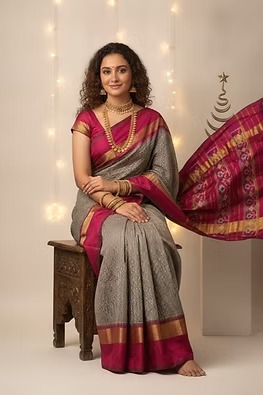
https://www.theloomstudiolifestyle.com/handloomAlmost every Indian woman has one cotton saree that she will not give up on, no matter how many new ones show up. Ask anyone why, and they probably cannot explain it properly, it is just there, still looks good, still gets worn. That is the real pull that a pure handloom cotton saree in India offers, honestly. Nothing flashy about it, not chasing any trend & somehow it never looks dated either. So here is what is actually behind that, and what to keep in mind before you pick one up.
Why a Pure Cotton Handloom Saree Is Trendy Today
Trends keep changing every few months but handloom cotton has not really moved with them, it just sits outside all that. Part of it is simple, cotton breathes better than most synthetic stuff, and that matters a lot in Indian heat. But there is more to it than comfort. Weaving is not something that happens in a factory here, it gets taught inside families, one generation showing the next. So when you buy something genuinely handloom, you are kind of buying that whole chain along with it.
The handloom sector in India employs a huge number of people, right after agriculture for rural jobs. So when you buy from an actual weaver, that money goes somewhere real.
Regional Weaves Worth Knowing
There is not just one type of pure handloom cotton in India. There are a bunch, and each region kind of built its own version over time
- Bengal Tant, light & crisp, usually has those wide decorative borders people recognise instantly.
- Chettinad cotton, from Tamil Nadu, comes with the checked "Kandaangi" pattern in contrasting colours.
- Narayanpet weaves out of Telangana lean toward geometric patterns in bolder & earthier tones.
- Jamdani has motifs worked in by hand while the weaving happens.
- Khadi cotton is coarser. It is entirely hand spun & carries that whole independence movement history with it.
Note: None of these was made to outdo each other. They just grew out of whatever skills and materials existed locally.
Comfort That Machines Still Have Not Figured Out
A pure handloom cotton saree in India has a feel you cannot really put into words until you have actually worn one. The weave is not perfectly even and that is not really a flaw, it is kind of the point. It lets the fabric breathe and move in a way tight machine weaving just doesn't manage, which is probably why a lot of women wear handloom cotton on regular days and not only for something special.
A few reasons it holds up:
- Stays cooler than silk or blended fabric when it is humid out.
- Gets softer every wash instead of losing its shape.
- Works fine dressed up for an event, or plain for office wear too.
- Lasts long enough that it can genuinely be passed down, not many clothes can say that anymore.
How to Tell If It Is Actually Handloom?
Check a few things before paying up.
Flip the saree over & look at the back. Handloom pieces usually show slightly uneven threads, maybe small knots where the yarn got joined. Powerloom stuff looks almost too clean on both sides, weirdly perfect.
Check the motifs closely. A little variation in spacing or size between one motif and the next isn't sloppy work, that's the human hand showing through.
Ask about the Handloom Mark or a GI tag if it applies. Weaves like Jamdani or Chanderi usually carry a Geographical Indication tag confirming where it actually came from.
And be careful with prices that seem too good. A Pure Handloom Cotton Saree India is known for takes real time and effort to weave, so a huge discount on something claiming to be handloom is more of a red flag than a deal.
Taking Care of It Properly
Most of the damage to a decent handloom saree happens because people wash it like it is any other cotton top. It needs a gentler hand than that.
- Soaking it in cold water with a bit of salt before that very first wash helps lock the colour in.
- Hand wash only, mild detergent, and skip hot water completely.
- Do not wring it out. Just press the water gently and hang it somewhere shaded to dry.
- Keep it away from direct sun, the natural dyes fade fast.
Conclusion
Whether you choose a Jamdani, Maheshwari, or a simple cotton sari, authenticity matters. The Loom Studio focuses on sourcing genuine handloom creations from skilled artisans, helping preserve traditional weaving techniques while creating sarees that are made to last. Buy their beautiful sarees & get in touch with India's rich weaving traditions.
FAQs
1. What makes a handloom cotton saree different from a regular cotton saree?
A handloom saree is woven by hand on a traditional loom, while a regular or powerloom one comes off a machine. The handmade piece will have small natural irregularities which a machine just cannot copy.
2. Is handloom cotton suitable for daily wear or only special occasions?
Honestly, both. Lighter weaves like Bengal Tant work fine for regular days & heavier ones with borders suit festive occasions better.
3. How can I check if a saree is truly handloom before buying it?
Check for uneven threads, look for a GI tag or Handloom Mark. If the prices appear too good to be true, do not buy it.
4. Can handloom cotton sarees be machine washed?
Better not to! Hand washing in cold water with mild detergent protects the weave & dye way better than machine wash.
5. Why are handloom sarees more expensive than powerloom ones?
A lot of work and labour go into it, sometimes even weeks. Hard work needs to be paid for, and that is why handloom sarees are expensive.