
10 Early Signs of Cataracts You Should Never Ignore | Eye Hospital in Vijayawada
-

- July 18th, 2026
- 26 views

FREE SEO Topical Map Generator: Find Your Next Content Ideas
10 Early Signs of Cataracts You Should Never Ignore
Cataracts develop gradually, making it easy to overlook the early warning signs. Many people notice only slight changes in their vision at first and assume they are part of normal aging. However, timely diagnosis can help protect your eyesight and improve your quality of life. If you're searching for an Eye hospital in Vijayawada, consulting an experienced ophthalmologist like Dr. Vasantha Jasthi can help identify cataracts early and recommend the most suitable treatment based on your eye health.
What Is a Cataract?
A cataract occurs when the eye's natural lens becomes cloudy, reducing the amount of light reaching the retina. This leads to blurred vision and other visual disturbances. Cataracts are commonly age-related, but they can also result from diabetes, eye injuries, long-term steroid use, or genetic factors.
10 Early Signs of Cataracts You Should Never Ignore
1. Blurred or Cloudy Vision
Objects may appear hazy or out of focus, even with updated glasses.
2. Difficulty Seeing at Night
Driving after sunset or walking in dim lighting may become more challenging.
3. Increased Sensitivity to Light
Bright sunlight or indoor lights may cause discomfort or glare.
4. Halos Around Lights
You may notice rings or halos surrounding headlights and streetlights.
5. Frequent Changes in Glasses Prescription
If your vision changes often, cataracts could be affecting your eyesight.
6. Faded or Yellowish Colors
Colors may lose their brightness or appear dull over time.
7. Double Vision in One Eye
Some cataracts can cause monocular double vision that persists even when one eye is closed.
8. Trouble Reading Small Print
Reading newspapers or mobile screens may require brighter lighting.
9. Glare While Driving
Headlights from oncoming vehicles may create excessive glare, making night driving uncomfortable.
10. Needing Brighter Light for Daily Activities
Simple tasks like cooking or sewing may require additional lighting.
When Should You Visit an Eye Hospital in Vijayawada?
Schedule an eye examination if you experience any of these symptoms, especially if they interfere with your daily activities. Early diagnosis helps your ophthalmologist monitor cataract progression and determine the right time for treatment. Residents looking for an Eye hospital in Vijayawada or an eye specialist near me should seek evaluation rather than waiting for vision to worsen.
How Are Cataracts Diagnosed?
A comprehensive eye examination may include:
- Visual acuity test
- Slit-lamp examination
- Retinal examination after pupil dilation
- Lens assessment
These tests help determine the severity of the cataract and guide treatment decisions.
Cataract Treatment Options
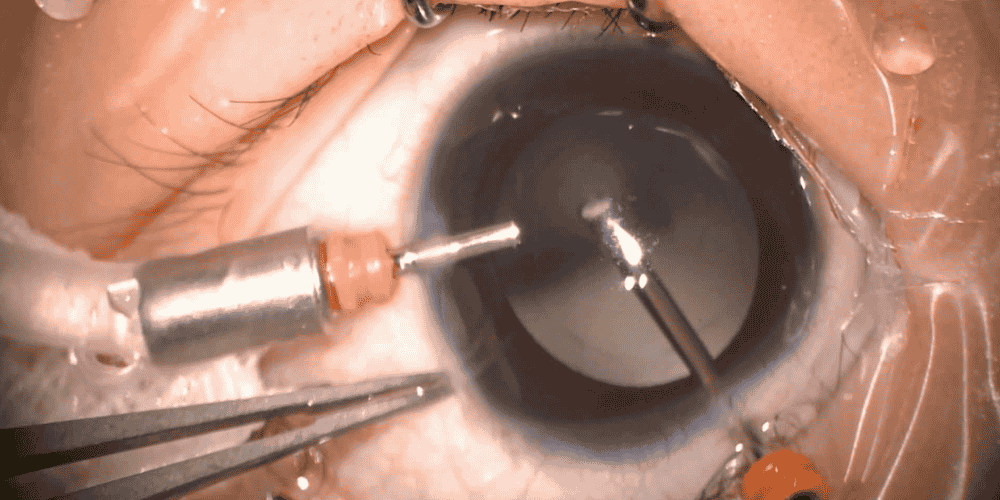
In the early stages, updated prescription glasses and improved lighting may help manage symptoms. When cataracts significantly affect daily life, cataract surgery is generally recommended. During the procedure, the cloudy natural lens is replaced with an artificial intraocular lens (IOL). The choice of treatment depends on an individual's eye condition, lifestyle, and overall health after evaluation by an ophthalmologist.
Tips to Support Eye Health
- Schedule regular eye check-ups after age 40.
- Wear UV-protective sunglasses outdoors.
- Manage diabetes and blood pressure effectively.
- Avoid smoking.
- Eat foods rich in vitamins A, C, E, and antioxidants.
- Report any sudden changes in vision promptly.
Frequently Asked Questions
1. What causes cataracts?
The most common cause is aging, although diabetes, eye injuries, prolonged steroid use, and genetics can also contribute.
2. Can cataracts be prevented?
They cannot always be prevented, but healthy lifestyle habits and regular eye examinations may reduce the risk or help detect them early.
3. Is cataract surgery safe?
Cataract surgery is one of the most commonly performed eye procedures. Your ophthalmologist will discuss the benefits and potential risks based on your individual condition.
4. How do I know if I need cataract surgery?
Surgery is usually considered when cataracts begin affecting daily activities such as reading, driving, or work.
5. How often should I get my eyes checked?
Adults over 40 should have regular comprehensive eye examinations as advised by their eye specialist.
6. Where can I consult an eye specialist in Vijayawada?
If you notice persistent vision changes, consult Dr. Vasantha Jasthi at an Eye hospital in Vijayawada for a detailed eye evaluation and personalized treatment recommendations.
Conclusion
Cataracts often develop slowly, but recognizing the early warning signs can make a significant difference in preserving clear vision. Blurred vision, glare, difficulty seeing at night, and frequent prescription changes should never be ignored. A timely eye examination allows early diagnosis and appropriate management based on your individual needs.
Schedule Your Eye Check-Up
If you or a family member is experiencing symptoms of cataracts, book a consultation with Dr. Vasantha Jasthi at an Eye hospital in Vijayawada. A comprehensive eye evaluation can help determine the cause of your vision changes and guide you toward the most appropriate treatment plan for healthier eyesight.
For more details please visit : https://www.deyecare.in/
Call : 7293484848
Email: [email protected]
Visit Us: 8-9, Vijayawada - Machilipatnam Rd, Vasant Nagar, Vijayawada, Andhra Pradesh 520007
Directions: https://maps.app.goo.gl/GE7b2Bj9z2sDpYE5A