What is an OAE Test? A Complete Guide to Otoacoustic Emissions Testing
-

- June 30th, 2026
- 29 views

FREE SEO Topical Map Generator: Find Your Next Content Ideas
Hearing plays a vital role in communication, learning, and overall quality of life. Detecting hearing problems early is essential for effective treatment and better outcomes. One of the most reliable and non-invasive methods used to assess hearing health is the OAE (Otoacoustic Emissions) Test. In this guide, Hearzap explains what an OAE test is, how it works, who needs it, and why it is important for hearing care.
What is an OAE Test?
An Otoacoustic Emissions (OAE) Test is a quick, painless hearing screening that evaluates the function of the inner ear, specifically the cochlea. The cochlea contains tiny sensory hair cells that respond to sound vibrations and help convert them into signals that the brain interprets as sound.
When these hair cells are functioning normally, they produce faint sounds called otoacoustic emissions. An OAE test measures these emissions to determine whether the cochlea is working properly.
Purpose of the OAE Test
The primary purpose of an OAE test is to evaluate the function of the cochlea, specifically the outer hair cells. These cells are essential for amplifying and fine-tuning sound. The test is commonly used for:
- Newborn Hearing Screening: Hospitals use OAE testing as a standard part of early hearing detection programs
- Pediatric Hearing Assessment: Infants and young children who cannot communicate verbally can be tested easily using OAEs.
- Monitoring Cochlear Health: Individuals exposed to loud noise, chemotherapy, or ototoxic medications may undergo regular OAE testing.
- Cross-Verification: It helps validate results from other hearing tests like audiometry or tympanometry.
How Does an OAE Test Work?
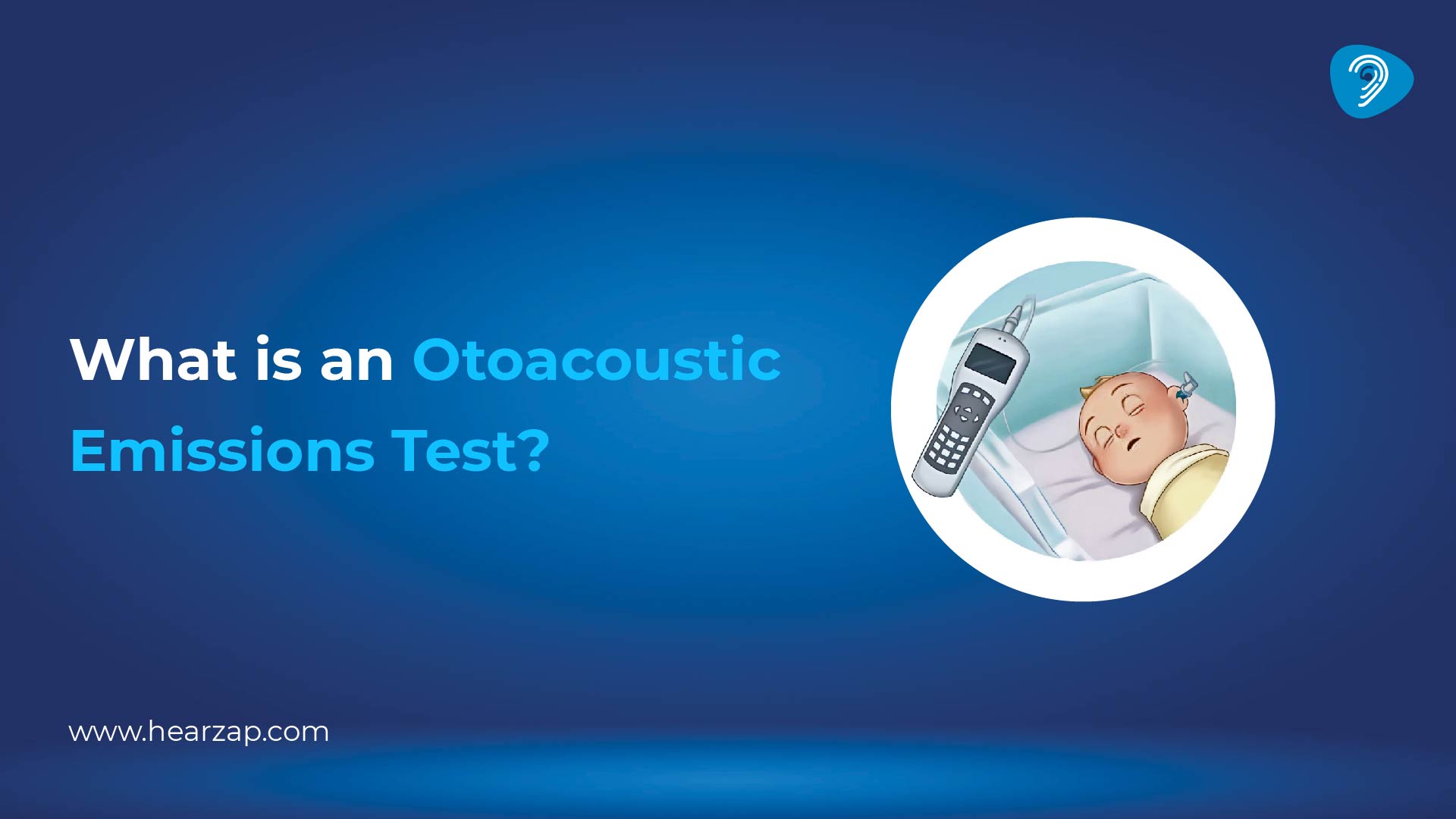
During the test, a small probe is placed inside the ear canal. The probe emits soft sounds and records the responses generated by the cochlea.
The procedure involves:
Inserting a soft ear probe into the ear canal
Playing a series of low-volume sounds
Recording the cochlea's responses
Analyzing the results to assess inner ear function
The entire process typically takes only a few minutes and does not require any active participation from the patient.
OAE testing is also beneficial in identifying sensorineural hearing loss, which occurs due to damage in the cochlea or auditory nerve.
Who Needs an OAE Test?
OAE testing is commonly used for:
Newborn Hearing Screening
Many hospitals perform OAE tests shortly after birth to detect hearing issues early and support timely intervention.
Children
Young children who may not be able to respond accurately during traditional hearing tests can benefit from OAE screening.
Adults
Adults experiencing hearing difficulties, tinnitus, or suspected cochlear damage may undergo OAE testing as part of a comprehensive hearing evaluation.
High-Risk Individuals
People exposed to loud noise, ototoxic medications, or certain medical conditions may require periodic OAE testing to monitor hearing health.
Benefits of an OAE Test
The OAE test offers several advantages:
Quick and painless procedure
Non-invasive testing method
Suitable for all age groups
Reliable assessment of cochlear function
Early detection of hearing issues
Useful for newborn and pediatric screening programs
Because the test does not require verbal responses, it is ideal for infants and individuals who may have difficulty participating in traditional hearing assessments.
What Do the Results Mean?
Pass Result
A pass result typically indicates that the cochlea is functioning normally and responding appropriately to sound.
Refer Result
A refer result means additional testing may be necessary. It does not automatically indicate permanent hearing loss. Factors such as earwax, middle ear fluid, background noise, or temporary conditions can affect the outcome.
A hearing specialist will recommend further evaluations if needed.
Why Early Hearing Detection Matters
Undiagnosed hearing loss can impact speech development, communication skills, academic performance, and overall quality of life. Early identification allows individuals to receive appropriate treatment and hearing support at the right time.
Regular hearing screenings are especially important for newborns, children, older adults, and individuals exposed to excessive noise.
Why Choose Hearzap for Hearing Tests?
At Hearzap, we are dedicated to helping individuals achieve better hearing through advanced diagnostic services and personalized hearing care. Our experienced audiologists use state-of-the-art technology to provide accurate hearing assessments and customized recommendations.
Recognized as one of the best hearing aids companies in India, Hearzap offers comprehensive hearing tests, expert consultations, and access to premium hearing aid brands to support every stage of your hearing journey.
Conclusion
An OAE test is a valuable tool for assessing inner ear function and detecting hearing issues early. Whether it's for a newborn, child, or adult, this simple and effective test can play a crucial role in maintaining lifelong hearing health. If you're concerned about your hearing or looking for a professional hearing evaluation, Hearzap is here to help.
CTA Button:
Book Your Free Hearing Test at Hearzap Today