How AI-Supported Writing Systems Improve Academic Drafting Without Replacing Judgment
-

- August 03rd, 2026
- 33 views


FREE SEO Topical Map Generator: Find Your Next Content Ideas
What I Observe in Student Writing Workflows
In academic consulting, I often see the same problem appear before a student begins drafting: the student has information, assignment instructions, and a deadline, but no reliable process for turning those elements into a coherent paper. The difficulty is rarely limited to grammar. It usually involves topic selection, interpretation of the prompt, thesis development, source quality, paragraph structure, evidence, citation, and revision.
From that perspective, I consider an AI-powered academic writing platform most useful when it functions as a structured learning support environment rather than as an automatic paper producer. A well-designed system can help a student separate a complex assignment into manageable stages, test an outline, clarify a thesis statement, identify weak transitions, or compare alternative ways to organize an argument. The educational value comes from guided practice and from making the writing process more visible.
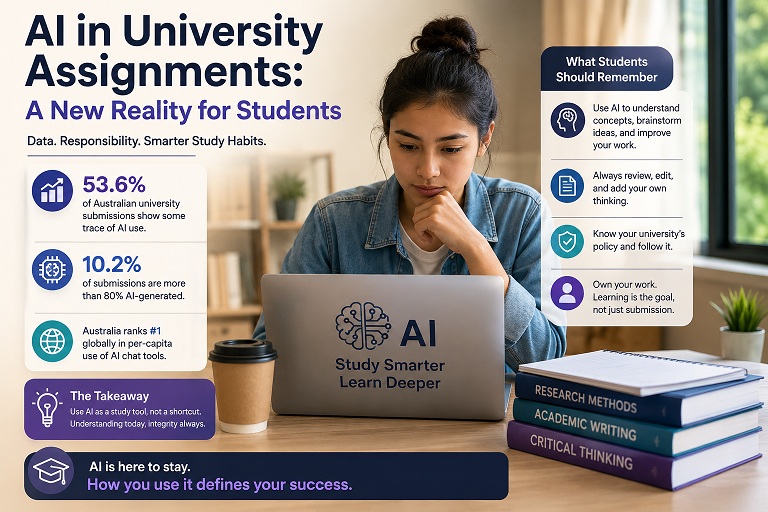
I have found that students benefit most when they treat artificial intelligence as a writing assistant that supports decisions they still have to make themselves. A language model can generate options, but output quality depends heavily on the prompt, the assignment instructions, and the student's ability to evaluate the generated draft. This is why critical thinking remains central. Students must still determine whether evidence is relevant, whether a claim is defensible, whether a citation is accurate, and whether the conclusion follows logically from the discussion.
Early Planning Matters More Than Fast Drafting
In many consultations, I spend more time on planning than on sentence-level editing. A weak paper often begins with an unclear question or an unfocused title. When students use a writing title generator during the planning stage, I advise them to treat the suggestions as diagnostic material rather than final answers. Several possible titles can reveal the underlying scope of a topic and help the student decide whether the assignment is analytical, argumentative, comparative, reflective, or research based.
This matters because title selection connects directly to the research process. A broad title tends to produce broad searching, weak source selection, and an unstable argument. A more precise title can guide the outline, narrow the evidence base, and improve paragraph planning. It can also make it easier to formulate topic sentences that serve a clear purpose rather than merely summarize information.
The same principle applies to AI-generated outlines. An outline should not be accepted simply because it appears logical. I ask students to compare it with the rubric, word count, course objectives, and reference requirements. They should check whether each section advances the thesis, whether important counterarguments are missing, and whether the planned evidence is appropriate for the academic level. This turns automated feedback into a feedback loop rather than a one-time instruction.
Revision Is Where Educational Value Becomes Visible
The most productive use of AI usually appears after a student has something to revise. A generated draft, partial paragraph, or rough outline creates material that can be examined critically. At this stage, I encourage students to work through a revision cycle that distinguishes structural problems from language problems.
First, I look at argument and organization. Does each paragraph have a clear purpose? Does the topic sentence connect to the thesis statement? Is the evidence interpreted rather than simply inserted? Are transitions showing relationships between ideas? Only after those questions are addressed do I move toward editing, proofreading, reference formatting, and sentence clarity.
AI can support this sequence through automated feedback, but the student should request specific forms of assistance. A useful prompt might ask for three weaknesses in paragraph logic, places where evidence needs explanation, or sentences that repeat the same idea. This approach is substantially more educational than asking a digital tool to rewrite an entire section. It preserves authorship and strengthens writing skills because the student remains responsible for choosing, rejecting, or adapting each suggestion.
University writing centers often use a similar principle even without AI. Tutors typically focus on higher-order concerns before correcting every sentence. They ask questions, identify patterns, and help students develop transferable strategies. I see responsible AI use as compatible with that instructional design when the tool supports reflection instead of replacing it.
Academic Standards Still Require Human Verification
Any AI-supported workflow must include verification. Students should never assume that a generated citation, quotation, reference, or factual claim is correct. In my practice, I recommend checking every source against the original publication, reviewing reference formatting, and confirming that paraphrased material accurately represents the source.
Plagiarism awareness also requires more than running a final check. Academic integrity is better protected when students document their research process, keep notes on sources, distinguish their own analysis from generated suggestions, and understand the expectations of the course or institution. Policies differ, so responsible use begins with reading the relevant syllabus, assessment instructions, or departmental guidance.
Originality should also be understood as intellectual contribution, not merely unusual wording. A paper can contain grammatically original sentences and still lack a meaningful argument. Conversely, a student who uses AI to identify structural weaknesses may still produce highly original work if the reasoning, evidence selection, interpretation, and revision remain genuinely their own.
A Practical Model for Responsible Use
For advanced students and educators, I recommend a staged workflow:
- interpret the assignment and identify the required academic task;
- develop a working thesis and preliminary outline;
- locate and evaluate credible sources independently;
- use AI for guided feedback on structure, clarity, and missing connections;
- revise manually, checking evidence, citations, and reference formatting;
- complete final proofreading and confirm compliance with the rubric.
This process keeps the student in control of drafting and editing while using technology for targeted learning support. It also reduces the risk of accepting polished but inaccurate language simply because it sounds authoritative.
The broader lesson from my work is that AI has the greatest educational value when it slows down poor decisions rather than merely accelerating production. Effective academic writing depends on judgment: understanding the task, selecting evidence, building an argument, revising with purpose, and checking sources carefully. When AI is integrated into that process as structured support, it can strengthen writing confidence and improve the quality of revision without displacing the student's responsibility for the final work.