How Activity-Based Learning Improves Memory Retention and Problem-Solving in Primary Students
-

- July 11th, 2026
- 24 views

FREE SEO Topical Map Generator: Find Your Next Content Ideas
When children are young, they are naturally curious. They like asking questions, trying out new things and learning from experience. For this reason, many educators believe that learning through activities is more effective than listening to lectures.
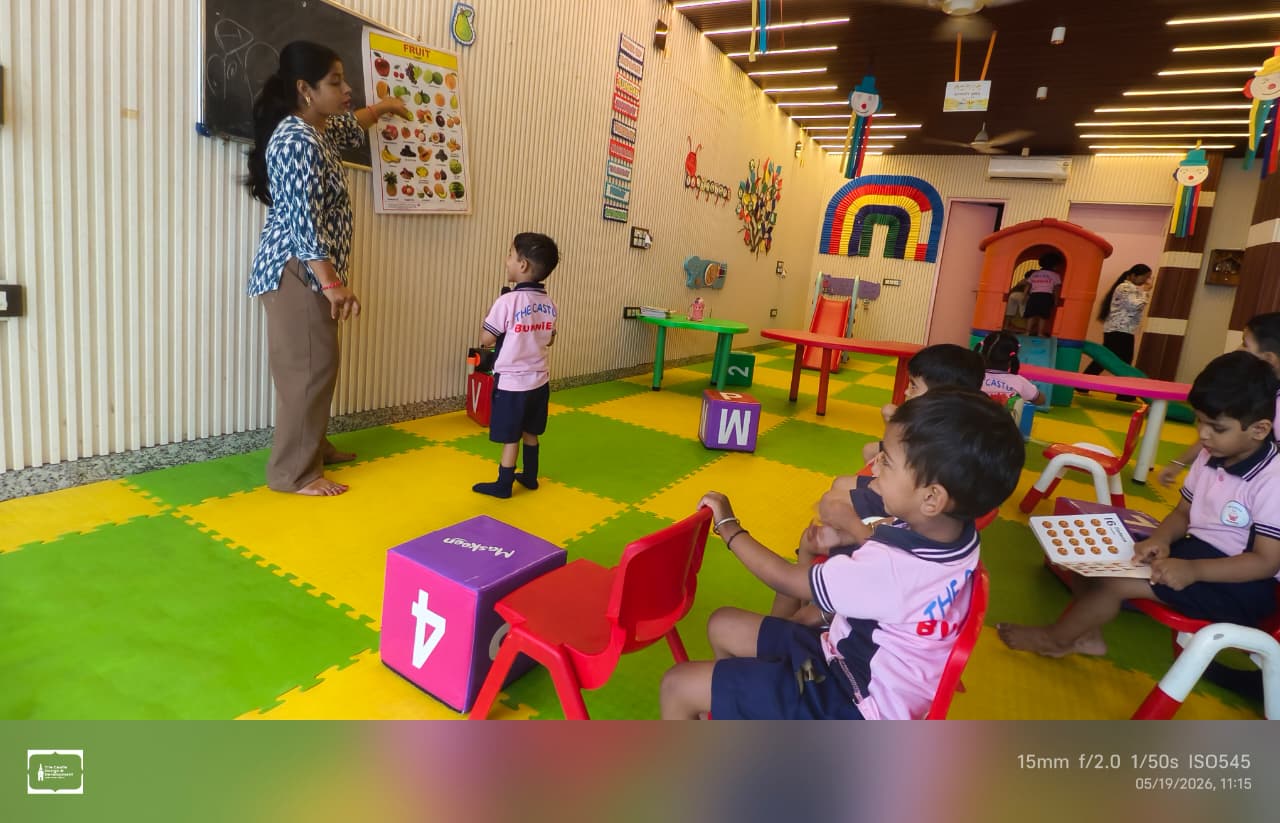
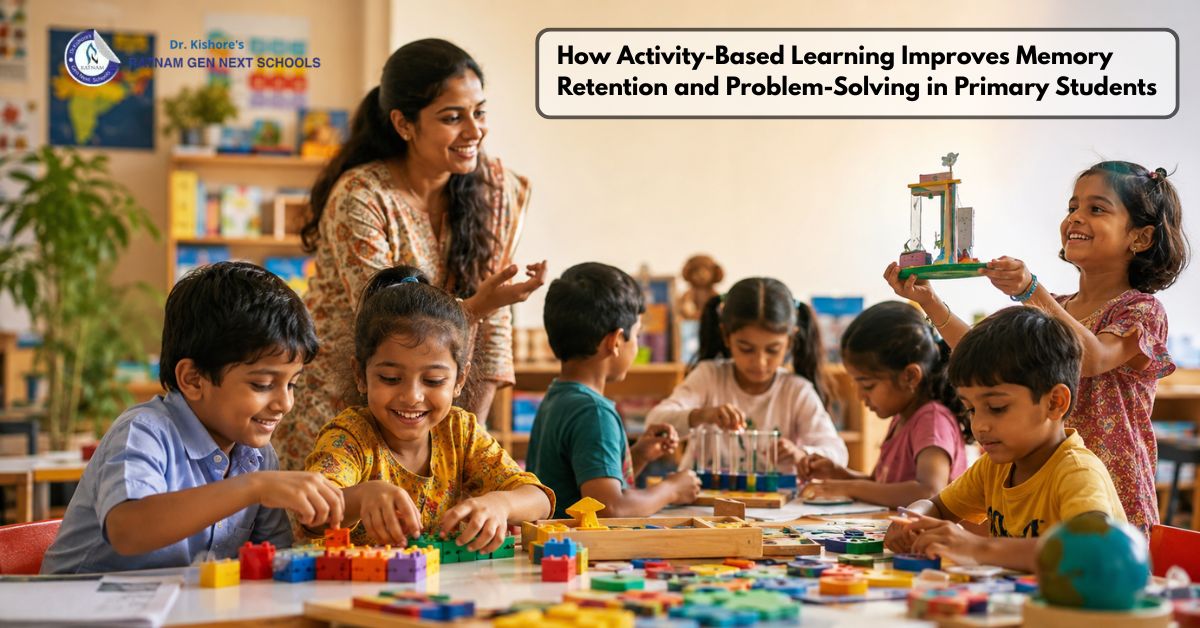
Activity-based learning has become essential in early childhood education since it makes learning fun and meaningful. Rather than memorize information, children get to learn concepts through play, experiments, storytelling, teamwork and practical work.
A good pre primary school knows that education must be enjoyable as well as instructive. If the learning process is enjoyable for the kids, they will retain what they have learned and gain confidence in problem-solving.
Activity-based learning is a major part of learning at Dr. Kishore’s Ratnam Schools. The school believes that children learn best when they take an active part in the learning process.
It Makes Learning More Enjoyable
Learning becomes easier if the children have fun in the classroom.
Activities such as:
- Telling stories
- Playing roles
- Artistic activities
- Teaching through games
- Performing science experiments
- Discussing in groups makes learning fun.
This is because they get excited to learn rather than be pressured into giving correct answers. A happy classroom creates happy learners.
Pre primary school teachers use engaging classroom activities to make learning enjoyable for every child.
It Develops Problem-Solving Skills
Problem-solving is an important life skill. Children need to learn how to think, make decisions and find solutions on their own. Activities naturally encourage this.
For example:
- Solving puzzles improves logical thinking.
- Building models teaches planning.
- Group projects encourage teamwork.
- Science activities develop curiosity.
- Math games improve reasoning skills.
Rather than providing all answers to children, teachers help them find answers on their own.
It helps build confidence and independent thinking right from the start.
It Encourages Better Communication
Many classroom exercises include working with other students.
Children learn how to:
- Share ideas
- Listen attentively
- Speak confidently
- Work as a team
- Respect varying opinions
These communication skills can benefit children both in and out of class.
As they develop, they become more comfortable speaking out and participating in discussions.
It Builds Confidence
Some students find it difficult to answer the questions in class.
Through activities, a conducive learning atmosphere is created, where students participate without being worried about making any mistakes.
Students will feel proud of themselves when they are able to accomplish an activity.
Such self-confidence motivates them to try new things and be involved in class discussions.
Learning Becomes More Meaningful
Questions such as Why are we learning this? are common from children.
Learning through activities provides an answer to such questions by relating learning to real-life situations.
For example:
- Measuring the quantities of cooking ingredients helps in learning math.
- Planting flowers in the garden helps in learning science.
- Telling stories helps in developing language skills.
- Playing buying and selling games helps in learning about money.
Children not only know what they are learning but also why. This makes learning more useful and memorable.
Why Early Learning Matters
The early years are the foundation of a child’s education.
A strong beginning helps children develop:
- Reading skills
- Number skills
- Creativity
- Confidence
- Communication
- Thinking abilities
That is why choosing the right pre primary school is so important.
Primary schools that encourage curiosity and active participation help children enjoy learning from the very beginning.
How Dr. Kishore’s Ratnam Schools Makes Learning Engaging
The learning process at Dr. Kishore’s Ratnam Schools goes beyond textbooks.
Teachers motivate children to ask questions, involve themselves in classroom activities and learn by experience.
Children take part in:
- Classroom activities
- Creative activities
- Games
- Group learning
- Experiential learning
Such techniques help in the development of understanding concepts and increasing self-confidence and curiosity among kids.
As one of the reputed pre primary schools Tirupati, the school thinks that every child must find joy in studies while building an academic base.
The concern is not only about getting high scores. But also about helping them become confident and creative learners.
Final Thoughts
Learning becomes more memorable for children if they go through an activity rather than just memorizing it.
Activity-based learning not only enhances memory but also helps in problem solving, boosts confidence and makes learning fun.
Selecting a good pre primary school becomes the first step to create a lifelong love for learning in children.
The activity-based method of teaching is very effective in helping students discover things, think, and progress with self-confidence at Dr. Kishore’s Ratnam Schools. Being one of the trusted pre primary schools Tirupati, it ensures that the kids have an enabling learning environment that allows them to learn new things every day.
When learning becomes an enjoyable process for them, kids not only remember what they have learned but also get the skills and confidence to be successful in future.
The source of this blog is www.drkishoresratnamschools.com/how-activity-based-learning-improves-memory-retention-and-problem-solving-in-primary-students