Do Whitening Injections Really Work in Dubai? Science, Safety & Results
-
- June 29th, 2026
- 27 views


FREE SEO Topical Map Generator: Find Your Next Content Ideas
Dubai’s growing aesthetic medicine sector has seen increased interest in whitening injections, commonly formulated with glutathione and antioxidant compounds. These treatments are often discussed for their potential role in improving skin radiance and overall tone.
However, in modern dermatology, whitening injections should be understood as adjunctive antioxidant therapies rather than proven skin-lightening procedures.
This article explains the clinical science, safety profile, regulatory considerations in Dubai, and the realistic outcomes patients should expect.
What Are Whitening Injections?
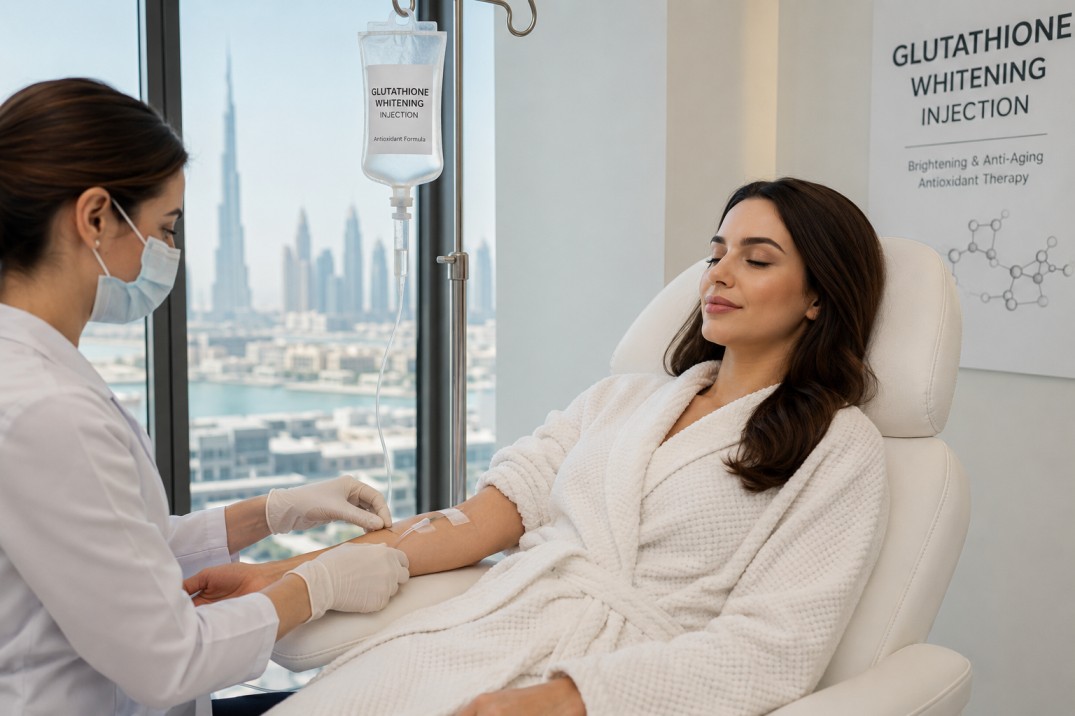
Whitening injections are injectable antioxidant-based formulations that typically include:
Glutathione (primary antioxidant)
Vitamin C (ascorbic acid)
Alpha-lipoic acid or other supportive antioxidants (in some protocols)
They are administered intravenously or intramuscularly under medical supervision.
Medical Purpose
Clinically, these compounds are primarily used to:
Reduce oxidative stress
Support liver detoxification pathways
Improve cellular antioxidant balance
Skin brightening is considered a secondary and not medically established indication.
Why Whitening Injections Are in Demand in Dubai
The rising demand is associated with a combination of environmental conditions in Dubai and lifestyle-related factors that influence skin health and appearance.
1. High UV Index Exposure
Year-round sun exposure increases melanin activity, often leading to tanning, pigmentation, and uneven tone.
2. Urban Environmental Stress
Heat, dehydration, and pollution contribute to oxidative stress, which can affect skin clarity.
3. Aesthetic Preference for Even Tone
Many patients are not seeking drastic whitening but rather subtle improvements in skin brightness and overall tone uniformity.
Brighter appearance
Reduction in dullness
More uniform complexion
4. Combination Aesthetic Treatments
Clinics in Dubai often integrate injectables with:
Laser resurfacing
Chemical peels
Medical-grade skincare
This multi-layer approach typically delivers better outcomes than injectables alone.
How Glutathione Works in the Body
Glutathione is a naturally occurring tripeptide produced in the liver and is essential for cellular defense against oxidative damage.
Biological Functions
Neutralizes free radicals
Supports detoxification processes
Maintains immune and cellular health
Theoretical Skin Mechanism
Some experimental studies suggest glutathione may:
Influence melanin synthesis pathways
Shift production from eumelanin (darker pigment) to pheomelanin (lighter pigment)
Reduce oxidative stress in melanocytes
Clinical Reality
Despite theoretical mechanisms:
Human clinical trials show inconsistent and limited evidence
Results vary significantly between individuals
No universal or predictable whitening effect has been scientifically established
Role of Vitamin C in Aesthetic Protocols
Vitamin C is frequently combined with glutathione due to its synergistic antioxidant effects.
Key Functions:
Supports collagen synthesis and skin structure
Enhances antioxidant regeneration
Reduces oxidative damage in skin cells
In clinical practice, vitamin C contributes more to skin quality and glow rather than pigmentation reduction.
What Determines Treatment Results?
Outcomes from whitening injections vary widely due to biological and lifestyle factors:
1. Genetic Skin Characteristics
Fitzpatrick skin type determines baseline melanin activity and response potential.
2. Enzymatic Activity
Tyrosinase and other enzymes regulate melanin production and pigmentation intensity.
3. Type of Pigmentation
Different conditions respond differently:
Sun-induced tanning (temporary)
Melasma (hormonal and chronic)
Post-inflammatory hyperpigmentation (inflammatory origin)
4. Metabolic Processing
Individual differences in liver function and antioxidant metabolism affect systemic availability.
5. Treatment Protocol
Results depend on:
Number of sessions
Dose and formulation quality
Maintenance and follow-up care
Safety Profile and Scientific Evidence
Whitening injections are widely used in aesthetic clinics but remain a controversial area in dermatological science.
Evidence Status
No strong consensus from large-scale randomized clinical trials
Limited long-term efficacy data for skin whitening
Variable clinical outcomes reported in studies
Possible Side Effects
Most are mild and temporary:
Injection site irritation
Headache or fatigue
Nausea or flushing (rare)
Allergic reactions (uncommon but possible)
Severe complications are rare but may occur if treatments are carried out in non-regulated settings or without appropriate clinical assessment.
Non-medical grade products are used
Treatment is administered by unqualified providers
Regulatory Standards in Dubai
In Dubai, aesthetic injectable treatments must be performed under licensed medical professionals in DHA-regulated facilities.
Clinics are required to ensure:
Approved and traceable products
Sterile medical environment
Proper patient assessment before treatment
Emergency management readiness
This regulatory framework significantly improves patient safety when properly followed.
Can Whitening Injections Treat Pigmentation?
Whitening injections are not a primary treatment for pigmentation disorders.
Conditions such as melasma or deep hyperpigmentation are more effectively managed with:
Topical depigmenting agents (hydroquinone alternatives, retinoids)
Chemical peels (glycolic, salicylic, TCA)
Laser therapies (under dermatological guidance)
Strict UV protection
Injectables may only provide supportive antioxidant benefits, not structural pigment correction.
Realistic Expectations for Patients
Patients may observe:
Subtle improvement in skin radiance
Slight reduction in dullness
Mild improvement in overall tone uniformity
However, it is important to understand:
Results are gradual and variable
Effects are not permanent
Maintenance sessions are often required
Dramatic whitening should not be expected
Checklist Before Treatment in Dubai
Before undergoing whitening injections, patients should:
Confirm DHA-licensed practitioner
Verify product authenticity and origin
Understand realistic outcomes
Review medical history and allergies
Commit to daily sun protection
Discuss combination treatment options
FAQs
Q1. Are whitening injections approved in Dubai?
While permitted in regulated clinical environments, they are not approved as a primary or evidence-based treatment for skin whitening.
Q2. How long do results last?
Any visible improvement is usually temporary and depends on consistent maintenance, daily lifestyle habits, and protection from sun exposure.
Q3. How many sessions are needed?
Most protocols require multiple sessions over several weeks, depending on skin condition and goals.
Q4. Are they effective for melasma?
They may support skin antioxidant balance but are not a standalone treatment for melasma.
Q5. Are they safe?
When performed by qualified medical professionals using approved products, they are generally considered safe, though long-term efficacy remains limited.
Conclusion
Whitening injections in Dubai are best understood as supportive antioxidant therapies within aesthetic medicine rather than scientifically proven skin-lightening treatments.
While ingredients like glutathione and vitamin C may contribute to improved skin radiance and reduced oxidative stress, clinical evidence for consistent whitening effects remains limited.
For optimal results, dermatologists recommend a combined approach, including:
Sun protection
Medical skincare
Targeted dermatological procedures
When used appropriately under medical supervision, whitening injections may complement broader skin-quality improvement strategies but should always be approached with realistic expectations.