Waterless Cosmetics Market Developments Transforming Sustainable Beauty Product Innovation
-

- July 30th, 2026
- 31 views

FREE SEO Topical Map Generator: Find Your Next Content Ideas
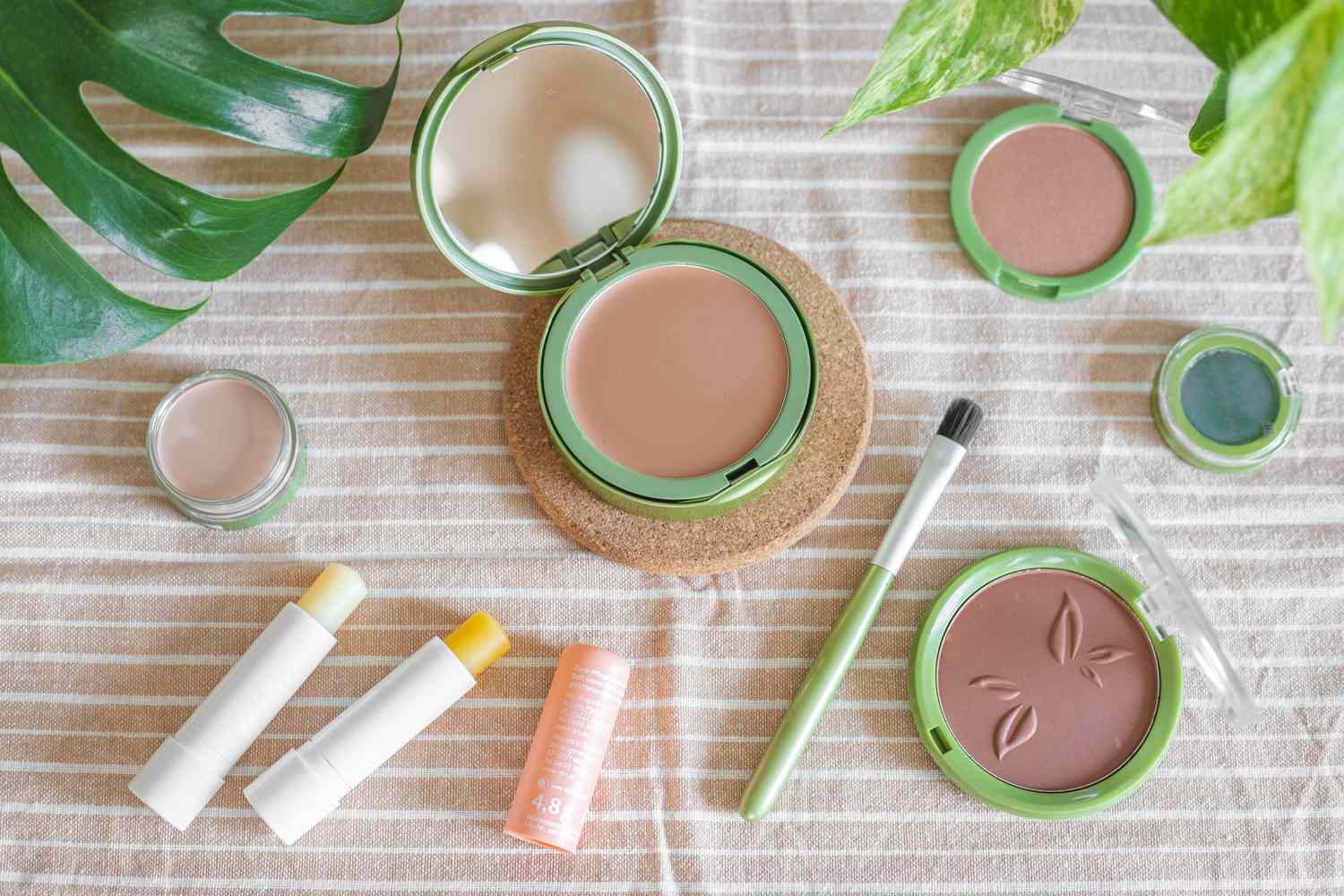
The Waterless Cosmetics Market is experiencing significant developments as beauty brands rethink product formulation, packaging, manufacturing, and consumer value. Unlike conventional cosmetics that often use water as a primary ingredient, waterless products are designed in concentrated, solid, powdered, or oil-based formats. These formulations may include shampoo bars, powder cleansers, solid serums, cleansing balms, concentrated skincare tablets, and dry personal care products.
The growing focus on sustainability has increased interest in products that reduce water use, limit packaging waste, and support more efficient transportation. However, market developments are not driven by environmental concerns alone. Advances in cosmetic science, changing consumer preferences, product convenience, and the expansion of premium beauty categories are also shaping the industry.
Formulation Innovation Expands Product Possibilities
One of the most important developments in the Waterless Cosmetics Market is the improvement of formulation technologies. Earlier waterless beauty products were largely limited to soaps, oils, balms, and basic solid products. Today, manufacturers are developing more sophisticated formats that can deliver cleansing, hydration, exfoliation, conditioning, and targeted skincare benefits.
Powder-based products are gaining attention because they can remain stable during storage and become active when mixed with water at the point of use. Powder cleansers, facial masks, vitamin treatments, and dry shampoos allow brands to create concentrated products while reducing the need for conventional liquid formulations.
Solid skincare is also advancing. Products such as serum bars, moisturizer sticks, cleansing bars, and treatment concentrates are being designed with smoother textures and improved application properties. These developments are helping waterless products move beyond their earlier image as niche sustainable alternatives and become more competitive with traditional cosmetics.
Concentrated Formats Support Product Efficiency
Concentration is becoming a major area of innovation. Waterless formulations often contain a higher proportion of functional ingredients because they do not rely on water as a bulk component. This can allow consumers to use smaller quantities while receiving the intended cosmetic benefits.
Concentrated shampoo, conditioner, body wash, and skincare products are being introduced in compact formats. Some products require users to add water at home, while others are applied directly in their concentrated form. These approaches can reduce product volume and create opportunities for refill systems.
The development of concentrated beauty products also encourages manufacturers to reconsider conventional packaging. Smaller products may require less material and occupy less storage space. As a result, formulation innovation and packaging efficiency are increasingly being developed together.
Growth of Solid Beauty Products
Solid beauty products represent one of the most visible developments in the Waterless Cosmetics Market. Shampoo bars and cleansing bars have gained wider acceptance, encouraging brands to expand into solid conditioners, facial cleansers, deodorants, moisturizers, sunscreens, and cosmetic treatments.
Modern solid products are being designed to improve foam quality, ease of application, texture, and durability. Manufacturers are working to address common concerns related to product softness, residue, uneven application, and reduced performance in humid environments.
Premium brands are also entering the segment with products that emphasize sensory experience. Fragrance, texture, appearance, and application rituals are becoming important features. This development demonstrates that sustainability-focused cosmetics do not need to compromise on luxury or product enjoyment.
Packaging Developments Reduce Material Use
Packaging innovation is closely connected to the expansion of waterless cosmetics. Since many products are compact and solid, brands can reduce the size and weight of containers. Paper-based cartons, reusable tins, refillable cases, and low-material packaging systems are becoming more common.
Some companies are developing reusable containers designed to hold replacement products. This model can reduce the amount of packaging used over repeated purchases while encouraging long-term customer engagement. Refill systems may also create recurring revenue opportunities for brands.
However, packaging development requires careful planning. Waterless products can be sensitive to moisture, heat, and physical damage. Packaging must protect product quality while supporting environmental objectives. This has increased interest in moisture-resistant materials, durable reusable containers, and packaging designs that improve product preservation.
Advances in Ingredient Stability
Ingredient stability is a major technical focus within the Waterless Cosmetics Market. Water can support microbial growth, making preservation an important consideration in many conventional cosmetic products. Removing or reducing water may lower certain preservation requirements, but it also creates new formulation challenges.
Some waterless products may be sensitive to humidity or may change texture when exposed to moisture. Oils and active ingredients can also undergo oxidation if they are not properly stabilized. Manufacturers are therefore developing improved ingredient combinations, protective packaging, and production methods.
The use of encapsulated ingredients is another important development. Encapsulation can help protect sensitive compounds and support controlled release during application. This technology may improve product performance while allowing brands to create advanced waterless skincare formulations.
Personalized and Customizable Beauty Solutions
Personalization is creating new opportunities for waterless cosmetics. Powdered and concentrated formats can make it easier to adjust products according to individual preferences. Consumers may be able to combine a base product with selected active ingredients, fragrances, or treatment components.
Customizable skincare systems are being developed around modular concepts. A consumer may choose a concentrated base and add ingredients designed for hydration, brightening, soothing, or other cosmetic goals. This approach can reduce the need to purchase multiple full-size products.
Personalization may also support more efficient consumption. Instead of using a single standardized formula, consumers can select products that better match their preferences and routines. As beauty technology becomes more data-driven, customized waterless products may become increasingly sophisticated.
Expansion Across Hair Care and Skin Care
Waterless product development is expanding across multiple beauty categories. Hair care remains a strong area because shampoo and conditioner bars are already familiar to many consumers. New developments include concentrated hair treatments, scalp powders, solid styling products, and water-activated hair care formulations.
Skin care is becoming another major area of innovation. Facial cleansing powders, solid moisturizers, oil-based treatments, and concentrated masks are broadening the range of available products. Brands are also exploring waterless formats for premium serums and active skincare solutions.
Color cosmetics may offer additional growth potential. Solid foundations, concentrated pigments, and low-water makeup formats can provide opportunities for product differentiation. The challenge is maintaining smooth application, consistent color performance, and consumer convenience.
Digital Commerce Supports Market Expansion
E-commerce is helping the Waterless Cosmetics Market reach consumers who may not find these products in traditional retail stores. Digital platforms allow brands to explain how waterless formulations work and provide demonstrations of product use.
Educational content is particularly important because some waterless products require different application methods. Videos, tutorials, product guides, and customer reviews can reduce uncertainty and help consumers understand the benefits of concentrated or solid formats.
Direct-to-consumer brands are using digital channels to test new products and gather feedback. This can support faster innovation and allow companies to refine formulations before expanding into larger retail networks.
Sustainable Manufacturing Gains Importance
Manufacturing practices are also evolving. Waterless formulations may reduce water requirements during product development and production, although the overall environmental impact depends on ingredients, energy use, packaging, and supply chain practices.
Manufacturers are exploring efficient production systems that reduce waste and improve material utilization. Compact products may also lower transportation requirements because they can reduce shipment weight and volume.
The Waterless Cosmetics Market is increasingly connected to broader sustainability strategies. Companies are evaluating ingredient sourcing, production efficiency, packaging recovery, and product lifecycle impacts rather than focusing only on water reduction.
Regulatory and Quality Developments
As the category expands, product safety, quality control, and labeling are receiving greater attention. Waterless cosmetics must meet the same general expectations for safety and performance as other beauty products. Manufacturers need to validate product stability and ensure that formulations remain effective throughout their intended shelf life.
Clear usage instructions are becoming increasingly important. Consumers may need guidance on how to activate, store, or apply concentrated products. Transparent communication can improve user experience and reduce the risk of incorrect product use.
Quality standards may also influence market development as more established beauty companies enter the category. Strong testing practices can help build consumer confidence and support wider retail adoption.
Future Direction of Market Developments
Future developments in the Waterless Cosmetics Market are likely to focus on improved performance, greater convenience, and broader category adoption. Brands will continue developing products that combine sustainability with high-quality sensory experiences and targeted cosmetic benefits.
Advanced powders, solid treatments, refill systems, and personalized concentrates may become more common. Artificial intelligence and digital tools could also support customized product recommendations and formulation development.
The market’s long-term progress will depend on whether waterless products can provide clear value beyond environmental positioning. Products that offer effective performance, convenient use, attractive design, and responsible packaging are likely to gain stronger consumer acceptance.
Conclusion
The Waterless Cosmetics Market is evolving through innovation in formulations, concentrated products, solid beauty formats, packaging, ingredient stability, and digital retail. These developments are transforming waterless cosmetics from a specialized sustainability category into a broader area of beauty innovation.
As consumer expectations continue to change, companies will need to balance environmental goals with performance, safety, convenience, and product appeal. Continued investment in research and product development may strengthen the market and create new opportunities across skincare, hair care, personal care, and color cosmetics.
Learn more: https://www.pristinemarketinsights.com/waterless-cosmetics-market-report