Why Regular Vet Checkups Keep Your Pet Healthy: A Complete Guide for Pet Owners
-

- July 22nd, 2026
- 18 views

FREE SEO Topical Map Generator: Find Your Next Content Ideas
Every pet owner wants their furry, feathered, or scaly companion to enjoy a long and happy life. While nutritious food, exercise, and affection are essential, regular veterinary checkups play an equally important role in maintaining your pet's overall health. Routine visits allow veterinarians to identify health concerns early, provide preventive care, and offer personalized advice that keeps pets thriving at every stage of life.
Early Detection Saves Lives
Many illnesses develop gradually and may not show obvious symptoms in their early stages. During a routine examination, a veterinarian checks your pet's weight, heart, lungs, eyes, ears, skin, teeth, and overall condition. Detecting diseases such as diabetes, kidney disease, heart problems, or arthritis early often leads to more effective treatment and improved outcomes.
Vaccinations Protect Against Serious Diseases
Vaccinations are one of the most effective ways to prevent infectious diseases. Your veterinarian will recommend a vaccination schedule based on your pet's age, lifestyle, and local health risks. Keeping vaccinations up to date protects not only your pet but also other animals in your community.
Parasite Prevention Matters
Fleas, ticks, mites, and intestinal worms can affect pets throughout the year. Regular checkups include parasite screening and recommendations for preventive treatments. Preventing parasites helps avoid discomfort, illness, and the spread of certain diseases to humans.
Dental Health Is Essential
Dental disease is common in both dogs and cats. Without proper care, plaque and tartar can lead to painful infections, tooth loss, and even damage to vital organs. Routine veterinary visits include oral examinations and recommendations for professional cleanings or home dental care.
Nutrition and Weight Management
Maintaining a healthy weight is essential for your pet's long-term wellbeing. During checkups, your veterinarian can evaluate your pet's body condition and recommend an appropriate diet based on age, breed, activity level, and any medical conditions. Proper nutrition supports strong muscles, healthy joints, and a robust immune system.
Senior Pets Need Extra Attention
As pets grow older, they become more susceptible to age-related health conditions. Senior wellness exams may include blood tests, urine analysis, blood pressure monitoring, and other screenings that help detect problems before they become serious. Early intervention can significantly improve your pet's quality of life.
Benefits of Routine Veterinary Visits
- Detect diseases before symptoms become severe.
- Keep vaccinations current.
- Prevent fleas, ticks, and internal parasites.
- Monitor weight and nutritional needs.
- Maintain healthy teeth and gums.
- Receive expert advice on behavior and training.
- Build a complete medical history for your pet.
Tips for Preparing for a Vet Visit
- Bring your pet's medical records and vaccination history.
- Make a note of any unusual behavior or symptoms.
- Bring a list of current medications or supplements.
- Transport cats in secure carriers and dogs on a leash.
- Reward your pet with praise or treats after the visit to create a positive experience.
Conclusion
Regular veterinary checkups are one of the best investments you can make in your pet's health. Preventive care helps identify illnesses early, reduces the risk of serious medical conditions, and ensures your companion enjoys a happier and longer life. By partnering with your veterinarian and scheduling routine wellness exams, you provide your pet with the care they need to stay healthy for years to come.
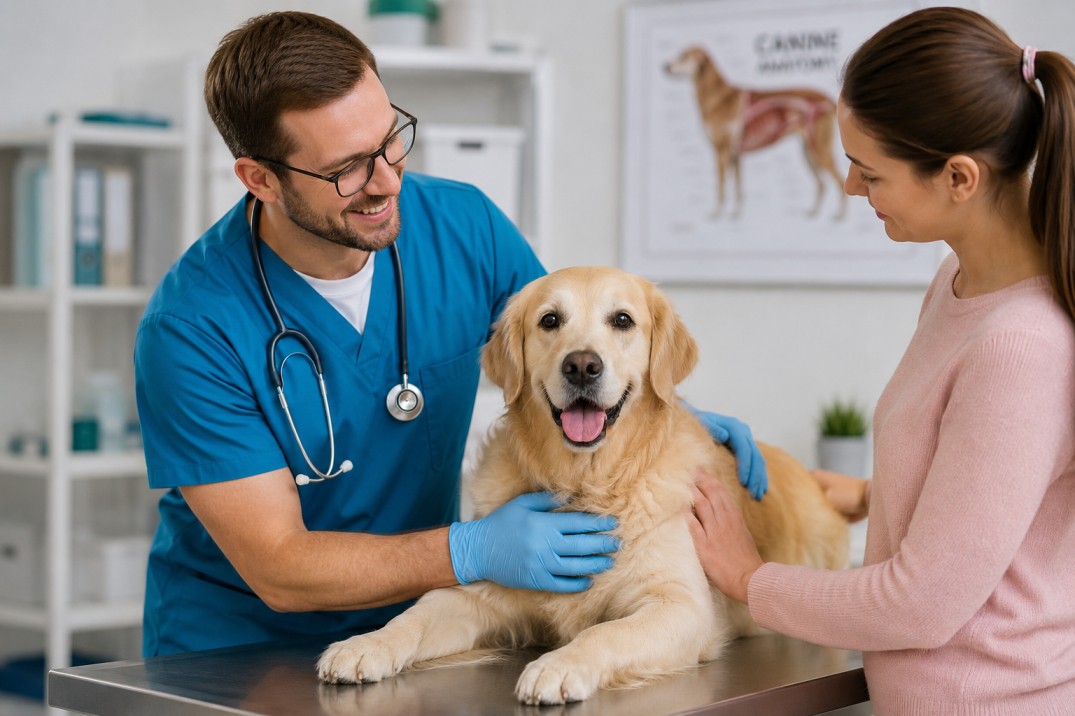
Veterinarian examining a healthy dog during a routine pet wellness checkup
Suggested Tags
- Pets
- Pet Care
- Dog Health
- Cat Health
- Veterinary Care
- Pet Wellness
- Animal Health
- Pet Tips
- Dogs
- Cats
-
Dental Health Should Never Be Ignored
Dental disease affects a large percentage of adult dogs and cats. Unfortunately, many owners don't notice the problem until their pet experiences pain or difficulty eating.
Poor oral health may lead to:
- Tooth loss
- Gum infections
- Bad breath
- Difficulty chewing
- Heart complications
- Kidney complications
Your veterinarian can recommend professional cleanings and home dental care practices such as brushing teeth and using approved dental treats.
Proper Nutrition for Every Life Stage
Nutritional requirements change throughout your pet's life.
Puppies and kittens require food rich in nutrients for healthy growth.
Adult pets need balanced diets that support energy, muscle maintenance, and immune function.
Senior pets often benefit from diets designed to support aging joints, heart health, kidney function, and digestion.
During checkups, veterinarians evaluate:
- Weight
- Body condition
- Muscle mass
- Feeding habits
- Food allergies
- Nutritional deficiencies
Professional dietary advice helps prevent obesity and many chronic diseases.
Monitoring Healthy Weight
Pet obesity has become increasingly common.
Excess weight increases the risk of:
- Diabetes
- Arthritis
- Joint injuries
- Heart disease
- Breathing problems
- Reduced lifespan
Routine wellness visits include weight monitoring and customized nutrition recommendations to keep pets fit and active.
https://www.petzlover.com/us/animals-for-sale-in-arkansas