Why Is a Tractor Essential for Farming
-
- June 21st, 2026
- 1,796 views

FREE SEO Topical Map Generator: Find Your Next Content Ideas
Agriculture has come a long way from the days when farmers relied entirely on manual labor and animal power to cultivate their fields. Today, farming is more demanding, time-sensitive, and productivity-driven than ever before. Whether it's a small family farm or a large commercial agricultural operation, one machine continues to play a central role in modern farming success: the tractor.
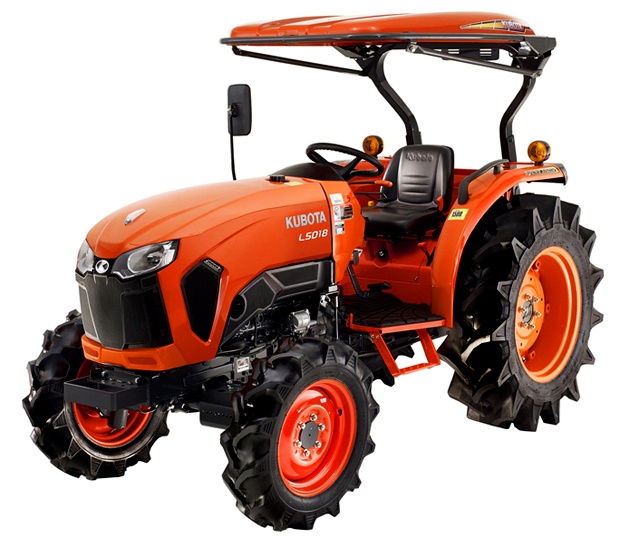
A tractor is often considered the backbone of farm operations because it helps farmers complete a wide range of tasks efficiently and effectively. From plowing and planting to transporting materials and harvesting crops, tractors have transformed the way agricultural work is done. But what exactly makes a tractor so essential for farming? Let's explore the reasons in detail.
The Foundation of Modern Farm Productivity
One of the biggest reasons tractors are indispensable is their ability to increase productivity. Farming involves numerous labor-intensive activities that require significant time and effort. Without mechanization, many of these tasks would take days or even weeks to complete.
A tractor allows farmers to perform field operations much faster. For example, plowing a large field manually is physically demanding and time-consuming. With the right tractor attachment, the same task can be completed in a fraction of the time. This efficiency helps farmers stay on schedule, especially during critical planting and harvesting seasons when timing directly impacts crop yields.
When farmers can complete more work in less time, they can manage larger areas of land and improve overall farm output.
Saves Valuable Time During Critical Seasons
Agriculture operates on strict seasonal schedules. Delays in planting, irrigation, spraying, or harvesting can significantly affect crop quality and profitability.
Tractors help farmers make the most of narrow weather windows. When rain is expected or crops are ready for harvest, every hour counts. A reliable tractor allows multiple operations to be completed quickly, helping farmers avoid costly delays.
For example, if planting is delayed by several days due to labor shortages or inefficient equipment, crop growth may be affected. Tractors reduce this risk by ensuring field preparation and planting are completed on time.
In modern farming, speed often translates directly into profitability.
Reduces Dependence on Manual Labor
Finding skilled agricultural labor has become increasingly challenging in many regions. Labor shortages can disrupt farm operations and increase production costs.
Tractors help bridge this gap by reducing the amount of manual work required. A single tractor operator can accomplish tasks that would otherwise require several workers. This not only lowers labor expenses but also minimizes the challenges associated with recruiting and managing seasonal labor.
For farmers facing rising labor costs, investing in a tractor often proves more economical in the long run.
Versatility Makes It a Multi-Purpose Machine
One of the most remarkable features of a tractor is its versatility. Unlike specialized equipment designed for a single purpose, tractors can perform numerous farming tasks through the use of different implements and attachments.
Common tractor applications include:
- Plowing and tilling soil
- Seed planting
- Fertilizer application
- Spraying pesticides and herbicides
- Mowing and cutting grass
- Transporting crops and materials
- Irrigation support
- Harvesting assistance
- Land leveling
This adaptability makes a tractor one of the most valuable investments a farmer can make. Instead of purchasing separate machines for every task, farmers can use one tractor with multiple attachments to meet diverse operational needs.
Improves Soil Preparation
Healthy crops start with proper soil preparation. Before seeds can be planted, the soil must be loosened, aerated, and prepared for optimal root growth.
Tractors equipped with plows, cultivators, and rotavators make soil preparation significantly easier and more effective. These tools help:
- Break compacted soil
- Improve water penetration
- Enhance nutrient distribution
- Control weeds
- Create an ideal seedbed
Proper soil preparation contributes directly to stronger plant growth and better yields. Without tractors, achieving consistent soil conditions across large fields would be much more difficult.
Increases Farming Efficiency
Efficiency is essential in agriculture because every resource matters. Farmers must maximize the use of land, water, labor, fuel, and time.
Tractors help improve efficiency by enabling precision operations. Modern tractors often include advanced technologies such as GPS guidance systems, automated steering, and precision farming tools.
These innovations allow farmers to:
- Reduce overlap during field operations
- Minimize fuel consumption
- Apply inputs accurately
- Lower production costs
- Increase crop productivity
By improving operational efficiency, tractors help farmers achieve better results while using fewer resources.
Supports Large-Scale Farming Operations
As agricultural demand continues to grow, many farms are expanding their operations. Managing larger acreages requires equipment capable of handling extensive workloads.
Tractors provide the power and reliability needed for large-scale farming. They can pull heavy implements, cover vast fields, and operate for long hours under demanding conditions.
Without tractors, large commercial farming would be nearly impossible to sustain efficiently. Their ability to perform high-volume work helps farmers meet growing food production needs while maintaining profitability.
Enhances Transportation and Material Handling
A tractor's usefulness extends beyond fieldwork. It also serves as a reliable transportation and material-handling machine on the farm.
Farmers frequently need to move:
- Harvested crops
- Fertilizers
- Animal feed
- Equipment
- Construction materials
- Water tanks
By attaching trailers or loaders, tractors can transport heavy loads quickly and safely across the farm. This reduces physical effort and improves operational flow.
Many farmers find that transportation is one of the most frequent daily uses of their tractor.
Helps Improve Crop Yields
Ultimately, every farming decision aims to improve crop yields and profitability. Tractors contribute to better harvests by enabling timely and efficient farm operations.
When soil is prepared correctly, seeds are planted on schedule, fertilizers are applied accurately, and crops receive proper care throughout the season, productivity naturally improves.
A tractor supports each of these stages, helping create the conditions necessary for healthy crop development. Consistent and well-executed field operations often lead to higher yields and better-quality produce.
Cost-Effective Long-Term Investment
While purchasing a tractor requires a significant upfront investment, many farmers view it as a long-term asset rather than an expense.
A quality tractor can serve a farm for many years when properly maintained. Over time, the savings generated through reduced labor costs, improved efficiency, and increased productivity often outweigh the initial purchase price.
In addition, tractors typically retain good resale value, making them a financially sound investment for many agricultural businesses.
When evaluating the return on investment, tractors frequently prove their worth year after year.
Essential for Sustainable Farming Practices
Modern agriculture is increasingly focused on sustainability. Farmers are seeking ways to produce more food while minimizing environmental impact.
Many newer tractors support sustainable farming through features such as:
- Fuel-efficient engines
- Precision input application
- Reduced soil disturbance
- Lower emissions
- Compatibility with conservation agriculture practices
These capabilities help farmers optimize resource use while maintaining productive and environmentally responsible operations.
As sustainability becomes more important, tractors continue evolving to meet the needs of modern agriculture.
Choosing the Right Tractor Matters
Not all tractors are the same. The ideal tractor depends on factors such as farm size, crop type, terrain, and intended applications.
Farmers should consider:
- Horsepower requirements
- Fuel efficiency
- Attachment compatibility
- Ease of maintenance
- Technology features
- Budget
Selecting the right tractor ensures maximum productivity and long-term value. A well-matched tractor becomes a reliable partner that supports farm growth for years to come.
Conclusion
A tractor is far more than just a piece of farm machinery—it is the driving force behind modern agricultural productivity. From saving time and reducing labor demands to improving efficiency and increasing crop yields, tractors play a vital role in nearly every aspect of farming.
As agricultural challenges continue to evolve, the importance of tractors remains stronger than ever. Whether operating a small farm or managing hundreds of acres, farmers depend on tractors to perform essential tasks that keep their operations productive and profitable.
For anyone involved in agriculture, investing in a reliable tractor is not simply a convenience. It is a strategic decision that supports long-term success, sustainability, and growth in an increasingly competitive farming environment.