Tibet Women: The Quiet Strength Behind Every Journey
-

- July 30th, 2026
- 38 views


FREE SEO Topical Map Generator: Find Your Next Content Ideas
When people talk about Tibet, they often mention snow-capped mountains, ancient monasteries, or breathtaking highland landscapes. Yet one of the most memorable parts of visiting Tibet is meeting the women who quietly shape everyday life across the plateau.
Whether in busy cities like Lhasa or small villages surrounded by grasslands, Tibetan women play an important role in preserving traditions while embracing modern life. Their stories are not always found in guidebooks, but they leave a lasting impression on many travelers.
A Balance Between Tradition and Modern Life
Walking through Tibetan markets, it's common to see women dressed in colorful traditional clothing, selling handmade crafts, butter tea, local cheese, or fresh produce. During festivals, many still wear beautifully decorated aprons, silver jewelry, and turquoise accessories that have been passed down through generations.
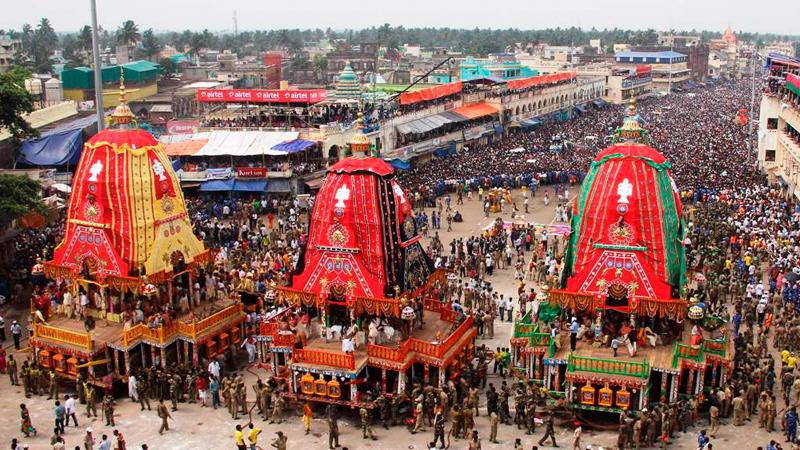
Festivals are some of the best opportunities to experience Tibetan culture. During celebrations, communities gather together, wear traditional clothing, participate in religious activities, and share food.
Women often play an important role in preparing for these events. They may spend days preparing special dishes, decorating homes, making traditional clothing ready, or creating handmade items for celebrations.
For travelers, these moments offer a deeper understanding of Tibetan society. Festivals are not only performances for visitors; they are meaningful events that bring families and communities together.
At the same time, younger women are opening cafés, managing guesthouses, studying at universities, and working in tourism. They are balancing cultural heritage with new opportunities, showing that tradition and modern development can exist together.
The Heart of Tibetan Families
Family life remains deeply important in Tibetan culture. Women often take care of household responsibilities while also participating in farming, herding, or running small businesses. In rural areas, visitors may see women collecting yak dung for fuel, harvesting barley, or caring for livestock alongside other family members.
Although these daily routines may seem simple, they reflect remarkable resilience in one of the world's highest inhabited regions.
Festivals are some of the best opportunities to experience Tibetan culture. During celebrations, communities gather together, wear traditional clothing, participate in religious activities, and share food.
Women often play an important role in preparing for these events. They may spend days preparing special dishes, decorating homes, making traditional clothing ready, or creating handmade items for celebrations.
For travelers, these moments offer a deeper understanding of Tibetan society. Festivals are not only performances for visitors; they are meaningful events that bring families and communities together.
Culture Preserved Through Everyday Life
Many Tibetan customs continue because women pass them from one generation to the next. Traditional cooking, weaving, local festivals, and religious practices are often learned within the family.
Travelers interested in understanding local culture usually discover that conversations with local families provide experiences no museum can replace. Learning about the lives of tibet women(more details:https://www.greattibettour.com/tibetan-culture/tibetan-women.html) offers a deeper perspective on Tibetan society beyond its famous landmarks.
What Visitors Can Learn
Travel is not only about seeing beautiful places—it's also about understanding the people who call those places home. Respecting local customs, asking permission before taking photographs, and showing genuine curiosity often lead to meaningful cultural exchanges.
Many visitors leave Tibet remembering not only the magnificent mountains but also the kindness, resilience, and hospitality they experienced from the local people.
Although tradition remains important, the lives of many Tibetan women have changed significantly in recent decades. More young women are receiving education and exploring new career opportunities.
In cities such as Lhasa, many women work in tourism, hospitality, education, business, and creative industries. Some manage hotels or guesthouses, introduce travelers to Tibetan culture, or create businesses based on local handicrafts and products.
The development of tourism has also created new opportunities. Many visitors who come to Tibet hope to experience local culture, and women working in tourism often become important cultural connections between travelers and local communities.
Learning about tibet women allows visitors to see Tibet from a more personal perspective—not only as a destination with beautiful scenery but also as a place where people are building meaningful lives.
Final Thoughts
The beauty of Tibet extends far beyond its landscapes. Behind every bustling market, peaceful monastery, and remote village are women whose daily lives help preserve one of the world's most distinctive cultures.
For travelers seeking a more authentic experience, taking time to learn about the people—especially Tibetan women—can become one of the most rewarding parts of the journey.