7 Common Myths About Traveling to Tibet (And the Truth Behind Them)
-
- July 23rd, 2026
- 38 views


FREE SEO Topical Map Generator: Find Your Next Content Ideas
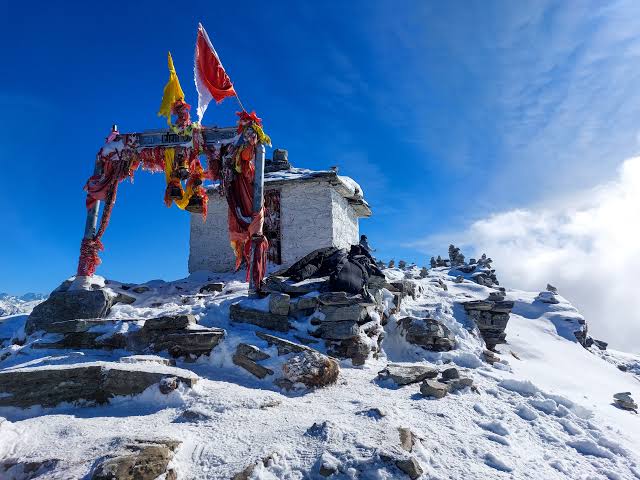
For many travelers, Tibet feels like one of the world's most mysterious destinations. Towering mountains, ancient monasteries, colorful prayer flags, and unique traditions have inspired countless stories. Unfortunately, those stories have also created many misconceptions.
Some people believe Tibet is too dangerous to visit. Others think it's impossible for foreigners to enter, or that there's nothing to do besides seeing Mount Everest.
The reality is very different.
If you're considering visiting Tibet, here are seven of the most common myths—and the truth behind each one.
Myth 1: Tibet Is Too Difficult for Foreign Travelers
One of the biggest misunderstandings is that Tibet is closed to international visitors.
In fact, thousands of travelers visit Tibet every year. While there are additional travel regulations compared to many other destinations, visiting is entirely possible with proper planning.
Foreign travelers simply need to travel through an authorized local travel agency that arranges transportation, accommodations, guides, and the required Tibet Travel Permit. Once everything is organized, the journey is surprisingly smooth.
Many first-time visitors are surprised by how well-planned and comfortable their trips turn out to be.
Myth 2: You Must Be an Extreme Adventurer
When people think about Tibet, they often picture climbers battling the harsh conditions of Mount Everest.
But most visitors never climb a mountain.
Many itineraries focus on sightseeing, cultural experiences, photography, and scenic road trips. Travelers spend their days exploring historic monasteries, visiting peaceful lakes, enjoying local cuisine, and learning about Tibetan traditions.
Whether you're traveling with friends, family, or even as a retiree, there are tour options suitable for different fitness levels.
Myth 3: Altitude Makes Every Trip Miserable
There's no denying that Tibet's high elevation deserves respect.
However, altitude sickness isn't something that affects every traveler in the same way.
Most guided tours are carefully designed to allow gradual acclimatization. Travelers usually begin in Lhasa before visiting higher-altitude areas, giving the body time to adjust.
Drinking plenty of water, avoiding overexertion during the first few days, and following your guide's advice can significantly improve your experience.
For many visitors, mild symptoms disappear after a day or two.
Myth 4: Tibet Has Nothing Except Mountains
Mountains are certainly one of Tibet's greatest attractions, but they're only part of the story.
The region is filled with fascinating cultural and historical sites, including ancient monasteries, traditional villages, sacred temples, bustling local markets, and beautiful lakes.
Visitors can watch monks debate Buddhist philosophy, attend local festivals, photograph wildlife, or simply enjoy tea with local families.
Every destination offers a different perspective on Tibetan life.
Myth 5: Independent Travel Is Better
Many experienced travelers enjoy planning trips on their own.
However, Tibet is one destination where organized travel actually offers several advantages.
Knowledgeable local guides explain religious customs, historical sites, and cultural traditions that visitors might otherwise miss. They also handle logistics, transportation, permits, and unexpected schedule adjustments.
Instead of worrying about paperwork, travelers can focus on enjoying the experience.
Those planning a journey can compare different Tibet tour packages available through experienced local operators to find an itinerary that matches their interests.
Myth 6: Tibet Is Only Worth Visiting in Summer
Summer is popular, but it's far from the only season worth experiencing.
Spring offers pleasant temperatures and blooming landscapes.
Autumn provides crisp skies and excellent visibility for mountain photography.
Winter attracts fewer tourists, creating a quieter atmosphere around famous landmarks while often offering lower travel costs.
Each season presents Tibet from a different perspective.
Myth 7: One Week Is Enough to See Everything
Tibet is much larger than many travelers realize.
While a week allows visitors to explore Lhasa and nearby attractions, there are many remarkable regions beyond the capital.
Popular journeys include Everest Base Camp, Mount Kailash, Namtso Lake, Shigatse, Gyantse, and several remote areas rarely seen by international visitors.
Choosing the right itinerary depends on your interests, available time, and travel style. Exploring different Tibet travel itineraries before booking can help you make the most of your visit.
Final Thoughts
The mystery surrounding Tibet has inspired countless myths over the years, but the reality is often even more impressive.
Rather than being inaccessible or intimidating, Tibet welcomes curious travelers who appreciate breathtaking landscapes, ancient traditions, and authentic cultural experiences.
Like any special destination, it requires a bit more preparation than an ordinary vacation—but that's also part of what makes the journey memorable.
If Tibet has always been on your travel wish list, don't let outdated misconceptions stop you. With thoughtful planning and realistic expectations, you'll discover that the real Tibet is far more rewarding than the myths suggest.
If you're planning a trip to Tibet and would like detailed travel information, recommended itineraries, permit guidance, or Everest Base Camp tours, you can visit:
https://www.greattibettour.com/
Looking for popular tour routes? Check out:
https://www.greattibettour.com/top-7-tibet-tours