Behind the Scenes of a Professional Studio Photoshoot
-

- June 30th, 2026
- 36 views

FREE SEO Topical Map Generator: Find Your Next Content Ideas
When people see a polished advertisement, a stunning fashion campaign, a professional corporate portrait, or a perfectly photographed product, they often focus on the final image. What they don't see is the planning, teamwork, technical expertise, and creative decision-making that happens behind the scenes.
A professional studio photoshoot is far more than pointing a camera at a subject and pressing the shutter button. Every successful shoot involves preparation, lighting design, equipment setup, styling, communication, image review, and post-production.
Whether you're a business owner planning a marketing campaign, an influencer creating content, a brand launching a new product, or someone simply curious about professional photography, understanding what happens behind the scenes can help you appreciate the value of professional studio production.
What Is a Professional Studio Photoshoot?
A professional studio photoshoot is a controlled photography session conducted in a dedicated studio environment using specialized equipment, lighting systems, and production workflows.
Unlike casual photography, studio shoots are carefully planned to achieve specific creative and commercial objectives.
Studio photography is commonly used for:
Product photography
Fashion campaigns
Corporate portraits
Personal branding
Commercial advertising
Social media content
ECommerce photography
The controlled environment allows photographers to maintain consistency and produce high-quality results.
The Planning Stage: Where Great Photos Begin
Most successful photoshoots are won before the camera is even turned on.
Planning plays a major role in determining the final outcome.
Defining the Objective
Every photoshoot starts with a clear goal.
Examples include:
Launching a product
Updating company branding
Creating social media content
Producing advertising visuals
Building a personal brand
Understanding the objective helps guide every creative decision.
Developing a Creative Concept
Professional teams often create mood boards and visual references.
These help define:
Colors
Styling
Poses
Lighting approach
Overall visual direction
Without a clear concept, photoshoots can easily lose focus.
The Team Behind a Professional Photoshoot
Many people contribute to the final images.
Before examining the shooting process, it's helpful to understand who is involved.
Table 1: Key Roles in a Professional Studio Photoshoot
Team Member |
Responsibilities |
Photographer |
Captures and directs the shoot |
Creative Director |
Oversees visual concept |
Lighting Assistant |
Manages lighting setup |
Makeup Artist |
Prepares talent appearance |
Stylist |
Coordinates wardrobe and accessories |
Retoucher |
Enhances final images |
Client Representative |
Ensures brand requirements are met |
Production Coordinator |
Manages logistics and scheduling |
Not every project requires a large team, but commercial shoots often involve multiple specialists working together.
Studio Preparation Before the Shoot
Before any photos are taken, the studio must be prepared.
Equipment Setup
Typical studio equipment includes:
Professional cameras
Prime and zoom lenses
Softboxes
LED lights
Reflectors
Background systems
Tethering stations
The equipment selection depends on the project's goals.
Background Selection
The background influences the mood and style of the final image.
Popular choices include:
White seamless backgrounds
Black backdrops
Colored paper rolls
Textured walls
Lifestyle setups
The right background helps reinforce the visual message.
Lighting: The Foundation of Studio Photography
Lighting often takes the most preparation time.
Professional photographers carefully position lights to achieve specific results.
Why Lighting Matters
Lighting affects:
Mood
Depth
Product appearance
Skin tones
Brand perception
A small adjustment in light placement can completely transform an image.
Testing Before Shooting
Professional photographers rarely begin shooting immediately.
They test:
Exposure
Shadow placement
Light intensity
Color accuracy
before the client or model steps in front of the camera.
Directing the Subject During the Shoot
One of the biggest misconceptions about photography is that great subjects naturally know how to pose.
In reality, professional direction is essential.
Communication Is Key
Photographers guide subjects by:
Demonstrating poses
Adjusting body positioning
Directing facial expressions
Refining hand placement
This helps subjects feel comfortable and confident.
Creating Natural Results
Professional photographers focus on making poses look authentic rather than overly staged.
The goal is often to create images that feel natural while still meeting creative objectives.
Real-Time Image Review
Modern studio photography frequently involves tethered shooting.
What Is Tethered Shooting?
The camera is connected directly to a computer.
Images appear instantly on a larger screen.
This allows:
Immediate quality checks
Creative adjustments
Client feedback
Faster decision-making
It reduces surprises during post-production.
Common Challenges During Studio Photoshoots
Even professional productions encounter obstacles.
Time Management
Large shoots often involve multiple setups and tight schedules.
Technical Adjustments
Lighting, reflections, wardrobe issues, and product positioning may require continuous refinement.
Maintaining Energy
Long shoots can become physically and mentally demanding.
Professional teams work efficiently to maintain momentum and creativity.
The Post-Production Process
The photoshoot doesn't end when the camera is packed away.
Post-production is where final refinements take place.
Image Selection
Hundreds or even thousands of photos may be captured during a session.
Only the strongest images are selected.
Editing and Retouching
Professional editing may include:
Color correction
Exposure adjustments
Skin retouching
Product enhancement
Background cleanup
The goal is to improve the image while maintaining authenticity.
Studio Photoshoot Workflow Overview
The following table summarizes a typical professional studio production process.
Table 2: Professional Photoshoot Workflow
Stage |
Main Activities |
Pre-Production |
Planning, concept development, scheduling |
Studio Setup |
Equipment preparation and lighting setup |
Styling |
Wardrobe, makeup, product arrangement |
Test Shots |
Lighting and exposure adjustments |
Photography Session |
Image capture and direction |
Image Review |
Client feedback and quality checks |
Post-Production |
Editing and retouching |
Final Delivery |
Exporting and delivering finished images |
This workflow helps ensure consistency, efficiency, and professional-quality results.
Why Businesses Invest in Professional Studio Photography
Businesses increasingly recognize photography as a strategic investment rather than an expense.
Professional studio photography helps:
Build brand trust
Improve advertising performance
Increase social media engagement
Strengthen visual identity
Support eCommerce sales
High-quality imagery often influences how customers perceive products, services, and businesses.
Expert Recommendations Before Booking a Studio Photoshoot
Clarify Your Goals
Know exactly what you need before the shoot begins.
Prepare References
Visual examples help photographers understand expectations.
Plan Wardrobe and Styling
Small details often make a significant difference.
Trust the Creative Team
Professional photographers understand lighting, composition, and production workflows that contribute to stronger results.
Allocate Time for Preparation
Rushed productions rarely achieve their full potential.
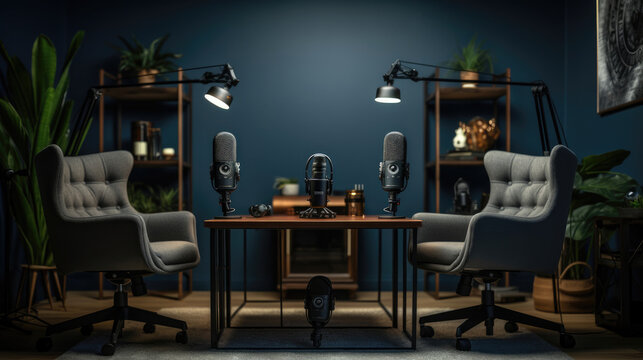
For businesses, creators, and brands seeking professional content, working with an experienced photography studio can simplify the process while improving results. Facilities such as Delenzo Studio provide a professional recording and production environment where photography, video production, and content creation can be managed efficiently under one roof.
Frequently Asked Questions
How long does a professional studio photoshoot take?
The duration depends on the project. Simple portrait sessions may take one to two hours, while commercial productions can require a full day or longer.
What equipment is used during a studio photoshoot?
Professional shoots typically use cameras, lenses, lighting systems, softboxes, reflectors, tethering stations, and specialized accessories.
Why are studio photos better than casual photos?
Studio photography offers controlled lighting, professional direction, consistent quality, and advanced post-production workflows.
Can businesses use studio photos for marketing campaigns?
Yes. Studio photography is widely used for websites, advertising, social media, eCommerce stores, and brand campaigns.
Where can I book a professional studio photoshoot in Lahore?
Many businesses and creators choose professional photography studios in Lahore that provide experienced photographers, commercial lighting setups, and complete production support.
Conclusion
A professional studio photoshoot involves far more than taking pictures. Behind every polished image is a carefully managed process that includes planning, creative direction, lighting design, subject guidance, technical expertise, and post-production refinement.
Understanding what happens behind the scenes helps businesses, creators, and brands appreciate the value of professional photography and the role it plays in building a strong visual presence. From product launches and personal branding to corporate campaigns and social media content, studio photography remains one of the most effective tools for communicating quality and professionalism.
For those looking to create impactful visual content, partnering with an experienced photography studio such as Delenzo Studio can provide access to professional equipment, creative expertise, and a production environment designed to deliver high-quality results consistently.