Iran and Oman Begin Strategic Talks on Strait of Hormuz Control Amid Rising Regional Tensions
-

- June 29th, 2026
- 21 views

FREE SEO Topical Map Generator: Find Your Next Content Ideas
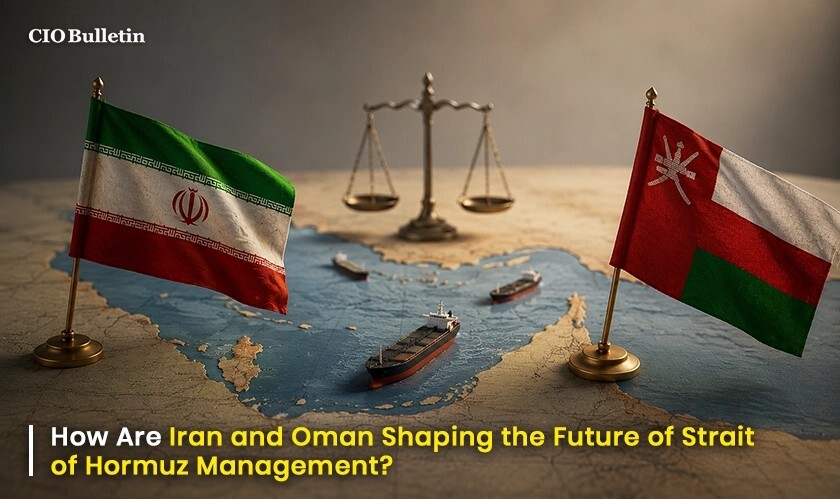
The governments of Iran and Oman have reportedly initiated discussions concerning the future management and security of the Strait of Hormuz, one of the world's most critical maritime trade routes. The talks come at a time of heightened geopolitical uncertainty in the Middle East, where global energy markets and international shipping continue to closely monitor developments affecting the strategic waterway.
Featured by CIO Bulletin, the discussions underscore the growing importance of maritime security, regional diplomacy, and international cooperation in ensuring uninterrupted global trade and energy supplies.
Why the Strait of Hormuz Matters
The Strait of Hormuz serves as one of the world's most strategically significant maritime passages. Connecting the Persian Gulf with the Gulf of Oman and the Arabian Sea, the narrow waterway facilitates the transportation of a substantial share of global crude oil and liquefied natural gas exports.
Every day, hundreds of commercial vessels transit through the strait carrying:
- Crude oil
- Liquefied natural gas (LNG)
- Petroleum products
- Industrial goods
- International cargo
Because of its geographic importance, any political or military developments involving the Strait of Hormuz immediately attract worldwide attention from governments, shipping companies, energy markets, and investors.
Iran and Oman Strengthen Diplomatic Engagement
Iran and Oman have historically maintained relatively stable diplomatic relations compared to many countries within the region.
Oman has frequently played the role of a regional mediator by:
- Facilitating diplomatic dialogue
- Supporting conflict resolution efforts
- Encouraging regional cooperation
- Promoting maritime stability
The latest discussions reportedly reflect continued efforts to maintain open communication regarding maritime security and regional navigation.
Observers note that diplomatic engagement remains essential for reducing tensions and preventing disruptions along one of the world's busiest shipping corridors.
Maritime Security Remains a Global Priority
Security within the Strait of Hormuz affects far more than neighboring countries.
International stakeholders include:
- Global energy producers
- Commercial shipping operators
- Insurance companies
- International naval forces
- Import-dependent economies
Maintaining safe navigation is critical because even temporary disruptions can influence:
- Global oil prices
- Shipping costs
- Supply chain reliability
- International trade flows
For this reason, developments involving the Strait are closely monitored by financial markets worldwide.
Economic Importance Beyond Energy
Although the Strait of Hormuz is widely recognized for oil transportation, its economic significance extends well beyond energy exports.
The route supports:
- International container shipping
- Industrial supply chains
- Manufacturing logistics
- Global commodity trade
- Regional economic integration
Stable maritime operations contribute to predictable transportation costs and help ensure uninterrupted delivery of goods across multiple industries.
Businesses dependent on international trade continue to monitor geopolitical developments affecting key shipping routes.
Regional Diplomacy Gains Importance
Recent years have demonstrated the increasing role of diplomacy in addressing regional security concerns.
Constructive dialogue between neighboring countries can help:
- Reduce misunderstandings
- Improve communication channels
- Strengthen maritime cooperation
- Support regional stability
- Encourage peaceful dispute resolution
While geopolitical challenges remain complex, diplomatic engagement often serves as the first step toward maintaining long-term security in strategically important regions.
Analysts believe ongoing communication between regional governments remains essential for preserving commercial confidence.
Global Energy Markets Watch Closely
Energy markets frequently respond to news involving the Strait of Hormuz because a significant portion of global oil exports passes through the corridor.
Market participants monitor:
- Shipping activity
- Security developments
- Diplomatic negotiations
- Regional military activity
- Energy infrastructure
Even speculation surrounding the waterway can influence commodity prices, investor sentiment, and broader financial markets.
The latest discussions therefore carry implications extending well beyond the Middle East.
Technology's Growing Role in Maritime Security
Modern maritime security increasingly relies on advanced technologies to monitor shipping activity and improve navigation safety.
These technologies include:
- Satellite surveillance
- Artificial intelligence analytics
- Vessel tracking systems
- Maritime cybersecurity
- Autonomous monitoring platforms
Digital innovation enables governments and international organizations to monitor commercial traffic more effectively while improving emergency response capabilities.
Technology has become an increasingly important component of global maritime risk management strategies.
International Shipping Industry Responds
Shipping companies operating through the Strait routinely conduct comprehensive risk assessments.
Operational considerations often include:
- Route planning
- Insurance requirements
- Security protocols
- Crew safety
- Regulatory compliance
International logistics providers closely evaluate geopolitical developments to minimize potential disruptions while maintaining efficient trade operations.
Stable diplomatic relations between regional countries help support confidence within the global shipping industry.
Future Outlook
While discussions between Iran and Oman continue, analysts emphasize the importance of maintaining open diplomatic channels and international cooperation.
Future priorities may include:
- Enhanced maritime coordination
- Navigation safety improvements
- Regional confidence-building measures
- Trade facilitation
- Long-term security cooperation
Successful diplomatic engagement could contribute to greater regional stability while reinforcing the importance of peaceful dialogue in managing strategically significant waterways.
Conclusion
The reported talks between Iran and Oman regarding the Strait of Hormuz highlight the continuing importance of diplomacy in one of the world's most strategically vital maritime regions. As global trade, energy markets, and international shipping remain closely connected to the security of this crucial passage, constructive dialogue between regional partners carries significant international importance.
While the outcome of the discussions remains to be seen, ongoing diplomatic engagement reflects broader efforts to promote stability, safeguard commercial navigation, and support uninterrupted global trade.
As geopolitical developments continue to evolve, the Strait of Hormuz will remain a focal point for policymakers, businesses, and global markets alike.
👉 Read the complete published article here: https://ciobulletin.com/security/iran-and-oman-begin-talks-on-strait-of-hormuz-control
👉 Follow CIO Bulletin for the latest updates on global geopolitics, cybersecurity, international trade, emerging technologies, and worldwide business developments.