Spider-Man: Brand New Day – The Reset That Became a New Beginning
-

- July 03rd, 2026
- 23 views

FREE SEO Topical Map Generator: Find Your Next Content Ideas
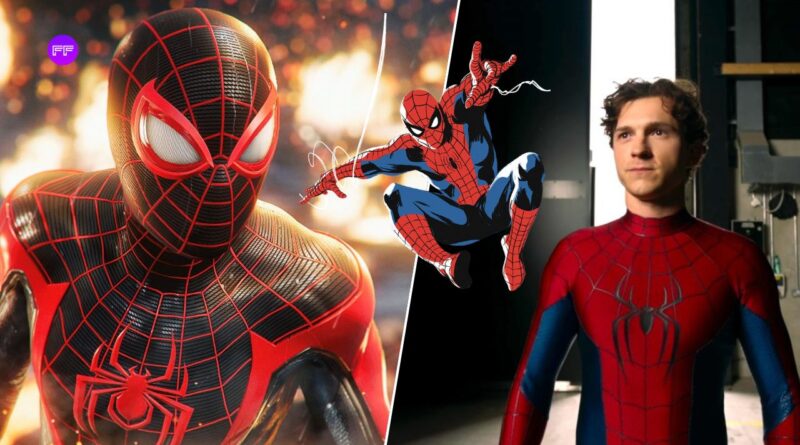
The comic book world is full of many different types of controversy, debate, and praise throughout its history, but one of the most significant events in comic book history is Spider-Man: Brand New Day. With its upcoming revival in 2026 with a new movie starring Tom Holland (July 31), it would be an ideal time for fans to examine this important part of Spider-Man’s history that helped establish a brand-new Spider-Man for a whole new generation. The new movie announcement generated buzz from all angles of the world, with both fans and professionals making their own guesses as to how the Marvel Cinematic Universe would adapt the incredibly controversial comic entitled Brand New Day.
Brand New Day is one of Marvel Comics' most controversial and ambitious creative decisions. Not only was it a narrative reset that erased decades of character evolution, but it also ended one of comics' most beloved marriages and brought Peter Parker back to a status quo that had been considered long past relevant by many fans. Ironically, this creative disaster gave birth to some of the most inventive, exciting, and memorable Spider-Man stories written to date.
The Shadow of One More Day
To understand Brand New Day, you must first understand the story that necessitated it: One More Day (2007). This four-issue arc saw Peter Parker and Mary Jane Watson make a Faustian bargain with the demon Mephisto to save Aunt May's life. The price was their marriage—erased from history as if it had never happened.
The decision was met with outrage. Fans who had followed Peter's journey for decades felt betrayed. The marriage represented growth, maturity, and the natural evolution of a character who had always been defined by his humanity. To undo it through a literal deal with the devil was seen as character assassination.
Marvel's editorial team defended the decision by arguing that a single, relatable Spider-Man was more commercially viable. This justification, however, rang hollow to many who pointed out that DC had successfully navigated similar challenges with characters like Superman and Batman, who had been married or in committed relationships while remaining immensely popular. The comparison between how Marvel and DC handle their iconic characters has long been a topic of debate among comic fans.
A Fresh Start and New Energy
Brand New Day began with The Amazing Spider-Man #546 in January 2008. The era was a deliberate "back-to-basics" approach. Peter was single again, Aunt May was alive, his secret identity was restored, and he was back working as a photographer for the Daily Bugle. It was a soft reboot designed to return Spider-Man to his "classic" roots, focusing on the struggles of a young man balancing his heroic responsibilities with everyday problems.
The creative team, known as the "Spidey braintrust," included Dan Slott, Marc Guggenheim, Zeb Wells, Bob Gale, Mark Waid, and Joe Kelly. They adopted a fast-paced, thrice-monthly publishing schedule that kept the comic fresh and eventful. The result was a series that felt fun, youthful, and full of energy—a stark contrast to the dark and heavy storylines that preceded it.
This return to fun reminded audiences why they fell in love with Spider-Man in the first place. It wasn't about grimdark storytelling—a trend that had been popularized by darker franchises like Game of Thrones—but about resilience, wit, and heart. Spider-Man's enduring appeal has always been his humanity, and Brand New Day embraced that fully.
New Characters and Villains
The single greatest contribution of Brand New Day was the creation of Mister Negative. Introduced by Dan Slott and Phil Jimenez, Martin Li is a Chinese immigrant with dissociative identity disorder who wields the powers of Lightforce and Darkforce. As Martin Li, he runs the F.E.A.S.T. charity. As Mister Negative, he controls a criminal organization with his Inner Demons.
His duality makes him uniquely compelling—he genuinely does good as Martin Li yet is ruthlessly ambitious as Mister Negative. The character was so well-received that he became the primary antagonist of the acclaimed Marvel's Spider-Man video game (2018), introducing him to millions of new fans. In an era where both Marvel and DC are constantly searching for fresh villains, Mister Negative stands as a rare success.
Other new villains were a mixed bag. Overdrive added a sense of fun, while Freak and Paper Doll were largely forgettable. The mystery of Menace kept readers guessing, though the eventual reveal was divisive.
The era also introduced a new supporting cast. Carlie Cooper, a forensics expert, was set up as Peter's new love interest but never captured fans' hearts the way Mary Jane had. Vin Gonzales, a police officer who despises Spider-Man, created interesting tension. Dexter Bennett, the new owner of the Daily Bugle, added workplace drama.
Classic Story Arcs
The "Spider-Tracer Killer" arc stands as a masterclass in superhero storytelling. Written by Marc Guggenheim and illustrated by John Romita Jr., it asked a rarely explored question: what do the police really think of Spider-Man?
When criminals start turning up dead with Spider-Tracers on their bodies, J. Jonah Jameson declares Spider-Man a murderer, and the police name him a person of interest. Peter must clear his name while wounded, alone, and hunted. This story subverts assumptions about the hero's relationship with law enforcement and forces Peter to rely solely on his wits.
The era culminated in The Gauntlet, a long-form storyline pitting Spider-Man against his iconic rogues' gallery with significant updates. SHED saw the Lizard permanently suppress his human side in a brutal, tragic tale. Endangered Species gave the Rhino a heartbreaking love story. These arcs showcased the emotional depth that Spider-Man villains could achieve, rivaling some of the best storytelling seen in any franchise.
The MCU Connection and Hollywood Buzz
The upcoming film Spider-Man: Brand New Day, directed by Destin Daniel Cretton, draws direct inspiration from this comic era. Following the events of No Way Home, where Doctor Strange's spell erased the world's memory of Peter Parker, the new film explores a Spider-Man who is truly alone.
The celebrity news surrounding the film has been relentless. Tom Holland returns as Peter Parker, alongside Zendaya as MJ and Jacob Batalon as Ned. New additions include Jon Bernthal as The Punisher and Mark Ruffalo as Bruce Banner. The first trailer broke records with over one billion views, making it the most-watched trailer in Sony's history.
Director Cretton has described the film as "grittier" and more "grounded" than previous Spider-Man movies, with stakes that feel genuinely personal. This approach echoes the Game of Thrones philosophy of putting characters through unimaginable hardship while maintaining their core humanity. Tom Holland has teased that the main villain remains a secret, fueling speculation that Mister Negative could finally make his live-action debut.
Brand New Day is not just a standalone film; it's a launchpad for the next phase of the Spider-Man franchise. Marvel and Sony have hinted at a new trilogy, positioning Spider-Man as the centerpiece of Marvel's post-Avengers strategy. This puts the franchise in direct competition with DC's upcoming projects, including the Superman reboot and The Batman: Part II.
A Divided Legacy
Brand New Day remains one of the most divisive eras in Spider-Man history. Critics point to the erasure of Peter and MJ's marriage, the heavy-handed editorial mandate, and inconsistent quality of new villains. Supporters counter that the era brought much-needed energy to the comics, introduced Mister Negative, and produced classics like the "Spider-Tracer Killer."
Perhaps the most honest assessment is that Brand New Day was both a failure and a success—a flawed foundation that, against all odds, built something worth keeping.
Conclusion
Spider-Man: Brand New Day is a story about second chances. It was born from one of the most controversial creative decisions in comic book history, yet it found a way to honor Spider-Man's core themes: resilience, responsibility, and the strength to keep fighting even when everything seems lost.
The era's legacy is complicated. It will forever be associated with the erasure of Peter and MJ's marriage, a wound that still stings for many fans. But it also gave us Mister Negative, the "Spider-Tracer Killer," and The Gauntlet—stories that reminded us why Spider-Man stands alongside the best of both Marvel and DC's offerings.
As the MCU prepares to explore its own Brand New Day, with Peter Parker left isolated and forgotten, the comic's themes have never been more relevant. Like his comic counterpart, the cinematic Spider-Man is being stripped down to his essence: a young man with incredible powers, overwhelming responsibility, and an unshakable will to do what's right.
In an era dominated by celebrity news, blockbuster franchises, and the shadow of Game of Thrones-style storytelling, Brand New Day reminds us that the best stories are ultimately about character. Spider-Man endures because he represents something universal—the hero who falls but always gets back up.
In the end, Brand New Day is more than just a comic book storyline or a movie title. It's a testament to the enduring power of a character who continues to inspire hope, resilience, and the belief that tomorrow can always be a brand new day.