The Rise of Smart Pipelines: Digital Twin Technology and Advanced Pipeline Engineering in the UAE
-
- June 29th, 2026
- 62 views

FREE SEO Topical Map Generator: Find Your Next Content Ideas
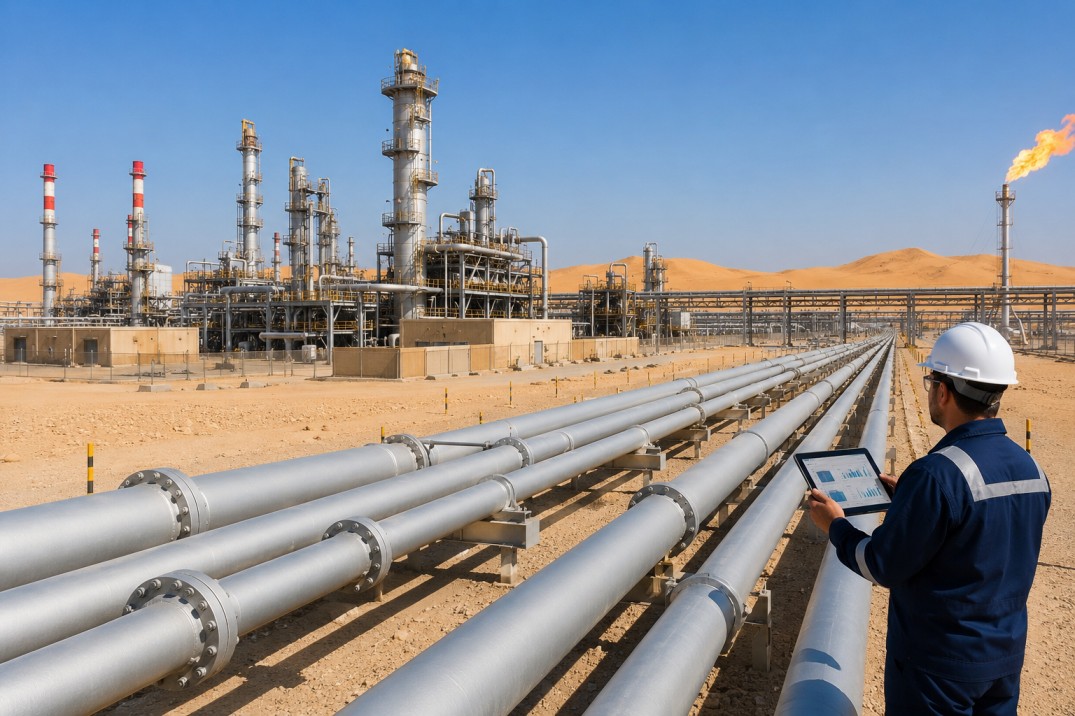
The UAE is rapidly strengthening its position as a global energy hub, continuously expanding refining capacity, upgrading industrial zones, and modernizing critical energy infrastructure. At the center of this transformation lies a new generation of pipeline systems—intelligent, data-driven, and highly connected. These pipelines are no longer passive transport networks; they are evolving into smart infrastructure assets powered by digital engineering.
As oil and gas construction in the UAE becomes increasingly complex, data engineering, automation, and predictive technologies are now as important as traditional fabrication and welding. This shift is redefining how pipeline projects are designed, built, and maintained across the region.
From Conventional Pipelines to Intelligent Infrastructure
Historically, pipeline engineering in the UAE focused primarily on mechanical strength, corrosion resistance, and operational reliability. While these fundamentals remain essential, the expectations placed on modern infrastructure have expanded significantly.
Today, pipelines are expected to function as intelligent systems capable of delivering continuous operational insights. This is made possible through the integration of digital twin technology—virtual models of physical pipeline assets that are continuously updated using real-time field data.
By connecting physical infrastructure with digital simulations, engineers can monitor critical parameters such as pressure fluctuations, temperature variations, vibration patterns, and early-stage corrosion. This enables faster decision-making, improved safety outcomes, and more efficient asset management across the pipeline lifecycle.
Smart Monitoring in Challenging Desert Environments
Operating pipelines across the UAE’s harsh desert terrain introduces unique engineering challenges. Extreme heat, saline soil conditions, shifting sand formations, and long remote corridors make manual inspection both difficult and resource-intensive.
To address these challenges, pipeline operators are increasingly deploying advanced monitoring systems, including:
Fiber optic sensing networks for real-time condition tracking
Smart leak detection systems for early fault identification
Advanced pressure and flow control technologies
Drone-based inspection systems for remote surveillance
AI-driven predictive maintenance platforms
These technologies provide uninterrupted visibility into pipeline health, even across hundreds of kilometers of remote infrastructure. Centralized monitoring systems now allow operators to manage entire pipeline networks from integrated control centers, improving response times and reducing operational risk.
Automation and Precision in Piping Projects
The role of piping contractors in the UAE has evolved significantly with the rise of industrial automation and digital construction practices. Facilities in key industrial hubs such as Abu Dhabi, Ruwais, and Jebel Ali demand extremely high levels of precision due to the complexity of refining, petrochemical, and gas processing operations.
To meet these requirements, contractors are increasingly adopting advanced fabrication and installation technologies, including:
Robotic welding systems for consistent weld quality
CNC-based pipe cutting machines for precision fabrication
Laser alignment systems for accurate installation
Digital dimensional verification tools
Weld tracking and traceability platforms
One of the most significant advancements is digital welding documentation. Each weld can now be recorded, tracked, and linked to material certificates, inspection reports, and quality assurance records. This ensures complete traceability from construction through to long-term operation, significantly improving compliance and asset integrity management.
Data-Driven Pipeline Construction and Lifecycle Management
Data has become one of the most valuable assets in modern pipeline construction projects across the UAE. Large-scale infrastructure developments generate vast amounts of engineering, inspection, and operational data throughout their lifecycle.
To manage this complexity, construction companies are adopting integrated digital project ecosystems that connect:
Material and equipment traceability systems
Weld and inspection records
Hydrotesting and commissioning data
Corrosion monitoring reports
Maintenance and asset performance histories
This unified approach reduces documentation errors, improves regulatory compliance, and enhances collaboration between contractors, engineers, and asset owners.
Such digital ecosystems are increasingly forming the backbone of modern EPC (Engineering, Procurement, and Construction) execution strategies in the UAE energy sector.
Environmental Monitoring and Sustainable Construction Practices
As environmental regulations become more stringent, particularly in coastal and ecologically sensitive regions, pipeline projects are expected to demonstrate higher levels of environmental responsibility.
Modern pipeline construction frameworks in the UAE now integrate environmental monitoring systems such as:
Groundwater quality sensors
Dust and air emission tracking systems
Soil stability monitoring tools
Noise and vibration measurement systems
Remote environmental data platforms
These systems ensure continuous compliance with regulatory standards while supporting sustainable construction practices. At the same time, contractors are increasingly adopting energy-efficient fabrication methods and optimizing material usage to reduce environmental impact across project lifecycles.
Cybersecurity in Smart Pipeline Infrastructure
As pipeline systems become more interconnected through SCADA networks, cloud platforms, and IoT-enabled sensors, cybersecurity has emerged as a critical engineering priority in the UAE energy sector.
While digital integration enhances efficiency and visibility, it also introduces new risks related to data breaches, system manipulation, and operational disruptions.
To mitigate these risks, cybersecurity is now embedded into the engineering phase of pipeline projects, including:
Secure communication architecture design
End-to-end data encryption systems
Role-based access control mechanisms
Redundant backup and failover systems
Segregation of operational and IT networks
Pipeline operators and contractors increasingly collaborate with cybersecurity specialists to safeguard operational technology (OT) environments, ensuring system resilience against evolving cyber threats.
Workforce Transformation in the UAE Pipeline Industry
The shift toward digital and intelligent infrastructure has significantly transformed workforce requirements in the UAE energy sector. Traditional engineering expertise remains essential, but it is now complemented by advanced digital competencies.
Modern pipeline professionals are expected to be proficient in:
Engineering design and modeling software
Automated welding and fabrication systems
Sensor calibration and instrumentation
Data analytics and performance monitoring
Drone operations and inspection technologies
Predictive maintenance platforms
This evolution is driving a new generation of hybrid professionals who combine field engineering experience with digital fluency. As a result, training programs, certifications, and continuous upskilling initiatives are becoming essential components of workforce development strategies.
Conclusion: The Future of Smart Pipeline Infrastructure in the UAE
The future of oil and gas construction in the UAE is being shaped by intelligent infrastructure, advanced data systems, and integrated engineering technologies. Pipelines are no longer static assets—they are becoming connected, self-monitoring systems designed for long-term performance and resilience.
Technologies such as digital twins, automation, predictive analytics, and cybersecurity frameworks are redefining how infrastructure is delivered and managed. In this evolving landscape, success depends on the ability to integrate physical engineering excellence with digital intelligence.
As the UAE continues to invest in energy infrastructure modernization, smart pipeline systems will play a central role in ensuring operational efficiency, environmental compliance, and long-term asset reliability.