Smart HVAC Integration: How Connected Home Devices Are Transforming System Sizing
-

- July 23rd, 2026
- 36 views

FREE SEO Topical Map Generator: Find Your Next Content Ideas
HVAC system sizing has traditionally relied on a consistent set of inputs: square footage, insulation quality, window types, home orientation, occupancy, and local climate conditions. These fundamentals remain essential. What’s evolving, however, is the level of real-world insight contractors can now access before even beginning a formal load calculation.
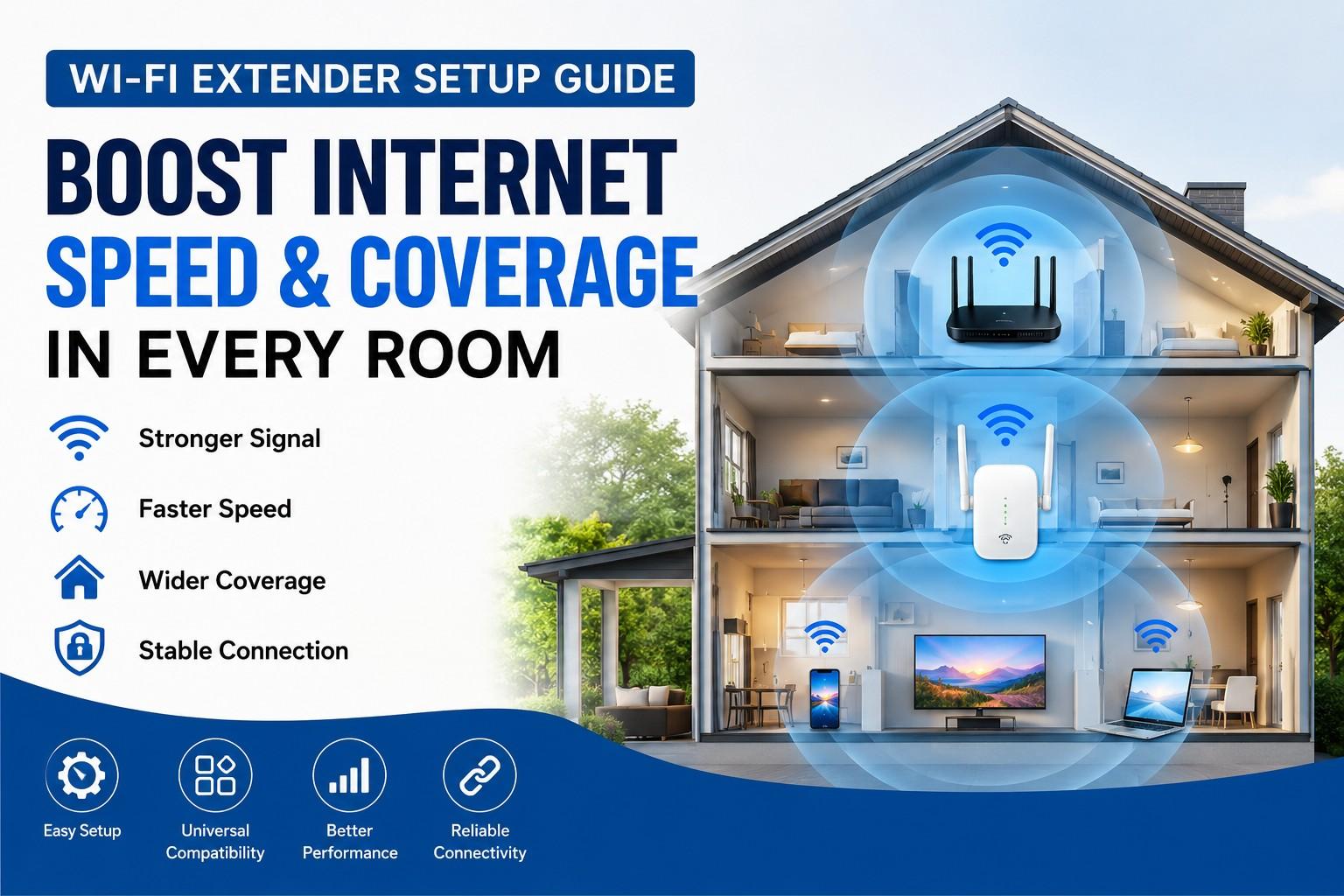
With the rise of smart thermostats, connected sensors, zoning systems, and broader HVAC IoT integration, contractors now have access to something far more dynamic than static building actual performance behavior. Instead of relying solely on theoretical inputs, they can observe how a home performs in real, everyday conditions. This shift turns smart home HVAC IOT integration from a convenience feature into a powerful diagnostic tool.
Rather than simply estimating, contractors can now evaluate how a system behaves over time—making system sizing more precise and recommendations more credible.
Why HVAC Sizing in Smart Homes Requires a New Approach
Traditional load calculations answer a key question: how much heating and cooling capacity is required under peak design conditions? That question still matters and must be answered correctly. However, connected homes introduce additional layers of insight that static calculations alone cannot provide.
For example:
How does the homeowner actually use the system daily?
Are certain rooms consistently uncomfortable?
Does the system short-cycle during mild weather?
Are setbacks improving efficiency or causing recovery issues?
Is humidity imbalance due to equipment, controls, or the building itself?
These are practical concerns. An oversized system can short-cycle, reduce humidity control, increase wear and tear, and raise costs unnecessarily. On the other hand, an undersized system may run continuously during peak demand, struggle to maintain comfort, and lead to frequent callbacks.
Smart home data doesn’t replace proper load calculations—it enhances them by providing context and clarity.
The Value of Connected Thermostats for HVAC Contractors
Connected thermostats offer valuable data points that can be used before, during, and after system replacement. This data often includes:
Runtime history
Indoor temperature trends
Setpoint adjustments
Recovery times after setbacks
Humidity levels
Equipment staging behavior
Alerts and fault notifications
This information transforms a standard sales visit into a data-driven consultation. Instead of relying on assumptions, contractors can present clear evidence.
For instance, rather than suggesting that a system “might be undersized,” a contractor can demonstrate that the system runs continuously during peak afternoon hours without reaching the desired temperature. This shifts the conversation from opinion to proof—something homeowners are far more likely to trust.
Making Comfort Measurable with Smart HVAC Systems
Modern HVAC systems are no longer just about heating and cooling—they are about monitoring, adapting, and reporting.
Typical smart HVAC components include:
Smart thermostats
Temperature and occupancy sensors
Zoning systems and smart vents
Variable-speed equipment controls
Indoor air quality monitors
Energy tracking devices
These technologies allow contractors to identify patterns that a single visit would likely miss. For example, a room that overheats every afternoon may indicate solar gain rather than improper system sizing. Similarly, uneven airflow caused by closed vents or duct issues may be mistaken for equipment failure.
By identifying these patterns early, contractors can make better decisions and reduce post-installation complaints.
Separating Load Issues from Control Issues with HVAC IoT
Not every comfort issue is a sizing problem. In many cases, the root cause lies elsewhere, such as:
Poor thermostat placement
Imbalanced ductwork
Air leaks or infiltration
Dirty or restricted filters
Insufficient return airflow
Incorrect zoning configuration
Improper fan settings
Weak insulation in specific areas
HVAC IoT integration helps contractors distinguish between equipment limitations, control misconfigurations, and structural issues within the home.
This distinction is critical. Recommending a larger system when the real issue is airflow or controls can create bigger problems, leading to inefficiency and customer dissatisfaction.
A Smarter Workflow for HVAC System Sizing
Contractors who effectively use connected data often follow a structured approach:
1. Gather Foundational Home Details
Square footage, insulation, windows, orientation, and existing system specifications.
2. Analyze Smart Thermostat Data
Review runtime patterns, temperature fluctuations, recovery times, and humidity behavior.
3. Perform a Detailed Load Calculation
Use accurate, real-world inputs instead of relying on assumptions or previous system sizing.
4. Align Findings with Homeowner Feedback
Compare data insights with reported comfort issues.
5. Recommend the Appropriate Solution
This may involve new equipment, duct improvements, insulation upgrades, or control adjustments.
6. Present a Clear, Documented Report
Transparency helps homeowners understand the reasoning behind recommendations.
This process turns smart home HVAC integration into a competitive advantage by enabling contractors to support decisions with evidence.
Avoiding a Common Pitfall: Over-Reliance on Smart Data
While smart thermostat data is valuable, it is not a replacement for proper system sizing. It does not account for critical factors such as insulation levels, duct leakage, air infiltration, or room-by-room load variations.
What it does provide is insight into symptoms—such as excessive runtimes, inconsistent temperatures, or poor humidity control.
In simple terms:
Smart data highlights that something is wrong
Load calculations explain why it’s wrong and how to fix it
The most effective contractors use smart data as a starting point—not the final answer.
How Smart Homes Are Changing the Sales Process
Homeowners with smart devices tend to be more informed. They monitor energy usage, receive alerts, and notice patterns in system performance.
This creates an opportunity for contractors to elevate their sales approach.
Instead of focusing on technical specifications like tonnage, successful contractors focus on performance and comfort:
“Here’s what your system data shows.”
“Here’s what the load calculation reveals.”
“Here’s where they align.”
“Here’s our recommendation and why it works.”
This approach builds trust and positions the contractor as a problem-solver rather than just a salesperson.
The Role of Data-Driven Tools in HVAC Sizing
To fully leverage smart home insights, contractors need tools that can translate raw data into actionable recommendations. Platforms like Energy Design Systems (EDS) support this process by helping contractors generate:
Detailed heat load reports
Home energy assessments
Maintenance and service plans
Data-backed sales presentations
Streamlined workflows powered by automation
When smart device data identifies a potential issue, tools like EDS enable contractors to validate findings, communicate clearly, and deliver practical solutions.
Final Thoughts
Smart home HVAC integration is more than a trend—it’s reshaping how contractors approach diagnostics, system sizing, and customer communication. Connected devices provide visibility into real-world performance, while accurate load calculations turn that insight into effective action.
Contractors who combine both approaches gain a clear advantage: more accurate sizing, fewer callbacks, and stronger customer confidence.