Single Layer PCB vs Double Layer PCB: Which One Should You Choose?
-

- July 10th, 2026
- 29 views

FREE SEO Topical Map Generator: Find Your Next Content Ideas
What Is a Single Layer PCB?
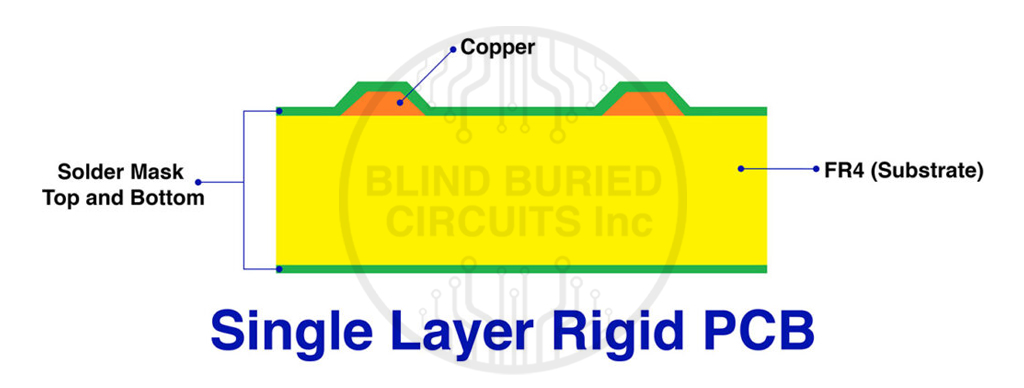
A single layer PCB, also known as a single-sided PCB, has one conductive copper layer mounted on an insulating substrate. All electronic components and copper traces are placed on the same side of the board.
Advantages of Single Layer PCBs
• Low manufacturing cost
When Should You Choose a Single Layer PCB?
Manufacturing Considerations for Single and Double Layer PCBs
Beyond design requirements, manufacturers also consider production efficiency, material selection, and long-term reliability when choosing between single and double layer PCBs. Single layer PCBs generally require fewer fabrication steps, making them faster to produce and more economical for high-volume orders. Double layer PCBs, while slightly more expensive, offer greater routing flexibility and improved electrical performance for compact and feature-rich designs. Selecting high-quality PCB materials, appropriate copper thickness, and the right surface finish can significantly improve board durability and functionality. Working with an experienced manufacturer like Blind Buried Circuits helps ensure every PCB is fabricated according to industry standards, resulting in reliable performance from prototype development through full-scale production.