Why Choose Sesame Oil Wholesale for Your Business Needs
-

- July 30th, 2026
- 31 views

FREE SEO Topical Map Generator: Find Your Next Content Ideas
Sesame oil has been valued for thousands of years across kitchens, apothecaries, and workshops around the world. Today, as demand for natural, plant-based ingredients continues to rise, sesame oil wholesale has become a fast-growing segment for buyers who need consistent, large-volume supply for food production, cosmetics manufacturing, pharmaceuticals, and industrial applications. Whether you run a food processing unit, a soap and cosmetics line, or a nutraceutical business, understanding how sesame oil is made, why it's beneficial, and where it fits into different industries can help you make smarter sourcing decisions.
What Is Sesame Oil?
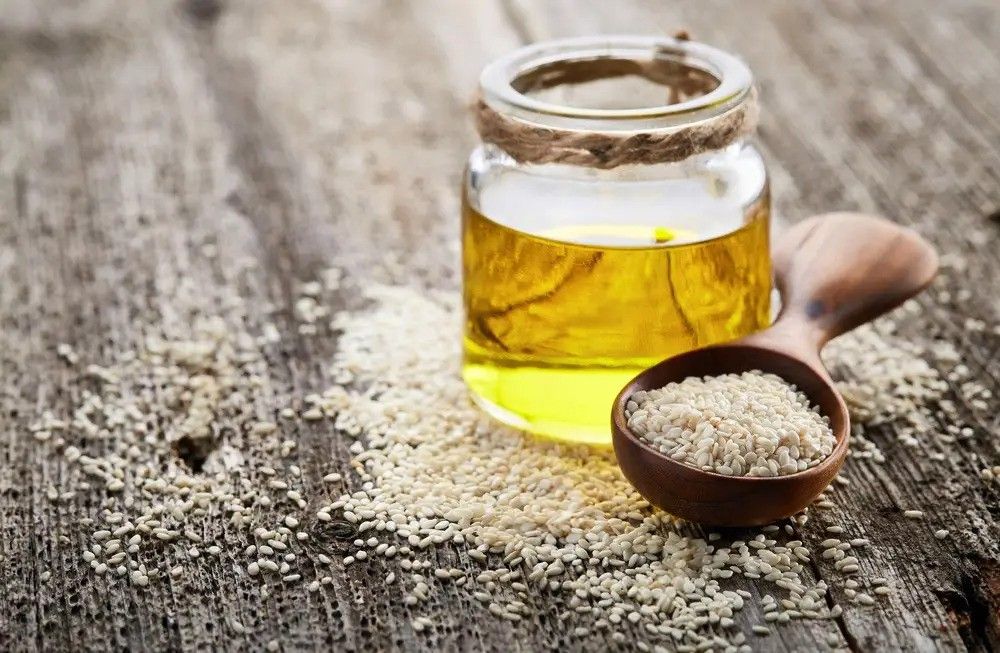
Sesame oil is extracted from sesame seeds (Sesamum indicum), one of the oldest oilseed crops cultivated by humans. Depending on the extraction method and whether the seeds are roasted, sesame oil suppliers can range from a light, mild-flavored oil to a dark, deeply aromatic one used widely in Asian cuisines. It is naturally rich in antioxidants, unsaturated fatty acids, vitamin E, and compounds like sesamol and sesamin, which give it a long shelf life and strong nutritional profile compared to many other vegetable oils.
How Sesame Oil Is Produced: The Wholesale Process
For businesses sourcing sesame oil manufacturers at scale, understanding the production process helps in evaluating quality and consistency across bulk shipments.
1. Seed Selection and Cleaning:- High-quality sesame oil starts with clean, mature sesame seeds that are sorted to remove debris, stones, and damaged seeds. Seed quality directly affects oil yield, flavor, and shelf stability.
2. Roasting (Optional):- For toasted or dark sesame oil, seeds are roasted at controlled temperatures to develop a deep color and nutty aroma. Cold-pressed or light sesame oil skips this step to preserve a milder taste and higher nutrient retention.
3. Pressing/Extraction:- Two primary extraction methods are used:
- Cold-pressing (mechanical expeller pressing): Seeds are pressed without heat or chemicals, preserving natural nutrients and flavor. This method is preferred for food-grade and premium wholesale orders.
- Solvent extraction: Used for higher-yield industrial-grade oil, often followed by refining.
4. Filtration and Refining The extracted oil is filtered to remove particulates. Refined sesame oil undergoes additional processing (degumming, bleaching, deodorizing) to achieve a neutral color and extended shelf life for industrial or cosmetic use, while unrefined oil retains more natural character for culinary applications.
5. Quality Testing Reputable wholesale suppliers test each batch for free fatty acid content, peroxide value, moisture, and purity to ensure the oil meets food-safety or cosmetic-grade standards before packaging and shipment.
6. Bulk Packaging and Shipping Wholesale sesame oil is typically packed in drums, IBC totes, or tanker loads depending on order volume, with proper labeling for traceability and compliance.
Key Benefits of Sesame Oil
Sesame oil's popularity across industries comes down to a combination of functional and nutritional benefits:
- Rich in Antioxidants: Natural compounds like sesamol help slow oxidation, giving the oil a longer shelf life and making it valuable as a stabilizing ingredient in blended products.
- Balanced Fatty Acid Profile: A healthy ratio of omega-6 and monounsaturated fats supports its use in heart-conscious food formulations.
- Skin and Hair Nourishment: Its emollient properties make it a popular carrier oil in cosmetics, massage oils, and hair care products.
- High Smoke Point (Refined Variants): Suitable for frying and high-heat cooking applications in commercial food production.
- Natural Preservative Qualities: Its antioxidant content makes it useful in extending the shelf life of certain formulated products.
- Versatility: Works as a flavor base, a carrier oil, a moisturizing agent, or a functional ingredient depending on the industry.
Industries That Rely on Sesame Oil Wholesale
1. Food and Beverage Industry Sesame oil is a staple in cooking oils, salad dressings, marinades, instant noodle seasoning, snack coatings, and Asian sauce production. Bulk buyers in this space often look for both refined and cold-pressed variants depending on the product's flavor profile requirements.
2. Cosmetics and Personal Care Manufacturers use sesame oil wholesale as a base or carrier oil in lotions, soaps, hair oils, massage oils, and sunscreen formulations due to its light texture and skin-friendly properties.
3. Pharmaceutical and Nutraceutical Industry Sesame oil is used as a carrier for oil-based medications, topical ointments, and capsule formulations, as well as an ingredient in dietary supplements marketed for its antioxidant content.
4. Soap and Detergent Manufacturing Its fatty acid composition makes sesame oil suitable for cold-process and traditional soap-making, contributing to lather and moisturizing qualities.
5. Aromatherapy and Wellness As a neutral, stable carrier oil, sesame oil is frequently blended with essential oils for massage therapy and traditional wellness practices such as Ayurvedic oil treatments.
6. Animal Feed and Agricultural Byproducts Sesame oil cake, a byproduct of the extraction process, is used as a protein-rich animal feed additive, adding value across the full production chain.
Choosing the Right Sesame Oil Wholesale Supplier
When sourcing sesame oil in bulk, businesses should evaluate suppliers based on:
- Consistency in quality across batches
- Availability of both refined and cold-pressed/unrefined options
- Proper documentation (COA, MSDS, purity certificates)
- Scalable packaging options (drums, totes, bulk tankers)
- Transparent sourcing and seed origin
- Competitive, stable pricing for long-term contracts
Suppliers such as Hetaksh Essential Oils and other established manufacturers in the natural oils sector typically offer customizable order volumes, batch testing, and logistics support tailored to food, cosmetic, or industrial buyers.
Conclusion
Sesame oil distributors sourcing plays a critical role across food manufacturing, cosmetics, pharmaceuticals, and wellness industries. Its unique combination of nutritional value, skin-friendly properties, and functional versatility makes it a dependable raw material for businesses looking to scale production without compromising on quality. By understanding the extraction process, key benefits, and the specific grade of oil needed for your application, you can make more informed wholesale purchasing decisions that support both product quality and long-term supply reliability.
Frequently Asked Questions (FAQ)
Q1: What is the difference between refined and cold-pressed sesame oil for wholesale buyers?
Cold-pressed sesame oil is extracted mechanically without heat or chemicals, retaining more natural flavor and nutrients — ideal for culinary and premium personal care products. Refined sesame oil goes through additional processing for a neutral color, milder aroma, and longer shelf life, making it suitable for large-scale food production and industrial formulations.
Q2: What is the minimum order quantity (MOQ) for sesame oil wholesale?
MOQs vary by supplier and typically range from a few hundred liters to full tanker loads, depending on production capacity and packaging format (drums, IBC totes, or bulk tankers).
Q3: Is sesame oil suitable for high-heat cooking?
Refined sesame oil has a relatively high smoke point and is commonly used for frying and high-heat commercial cooking, while unrefined or cold-pressed varieties are better suited for dressings, finishing oils, and low-heat applications due to their more delicate flavor compounds.
Q4: Can sesame oil be used in cosmetic formulations?
Yes. Sesame oil is widely used as a carrier or base oil in lotions, soaps, hair care products, and massage oils because of its lightweight texture, skin compatibility, and natural antioxidant content.
Q5: How long does wholesale sesame oil stay fresh?
Due to its natural antioxidant compounds, sesame oil has a longer shelf life than many other vegetable oils — typically 12 to 24 months when stored properly in a cool, dark environment away from direct sunlight and moisture.
Q6: What documentation should I request from a sesame oil wholesale supplier?
Buyers should request a Certificate of Analysis (COA), Material Safety Data Sheet (MSDS), purity/quality test reports, and, where applicable, food-safety or cosmetic-grade certifications to ensure the oil meets regulatory and quality requirements for their industry.
Q7: Which industries use the most sesame oil in bulk?
The food and beverage industry is the largest consumer of wholesale sesame oil, followed by cosmetics and personal care, pharmaceuticals, soap manufacturing, and animal feed production, which uses sesame oil cake as a byproduct ingredient.
Q8: Is sesame oil available as a private-label product?
While private labeling is common in the industry, many buyers specifically source sesame oil in bulk, unbranded form to blend into their own formulations or repackage under their own manufacturing processes, rather than purchasing pre-branded retail products.