What Industries Benefit Most from RWA Tokenization Development?
-

- July 22nd, 2026
- 17 views

FREE SEO Topical Map Generator: Find Your Next Content Ideas
Across industries, many valuable assets remain unused because of their restricted accessibility, inefficient processes, and separated ownership models. Whether it's illiquid real estate, slow cross-border transactions, or costly asset management, old systems create chaos for anyone trying to get in on the action, whether investors or businesses. One of the best applications of blockchain technology across industries is real tokenization development, offering a practical solution, but how? This blog will guide you to the answer.
What is RWA tokenization platform development?
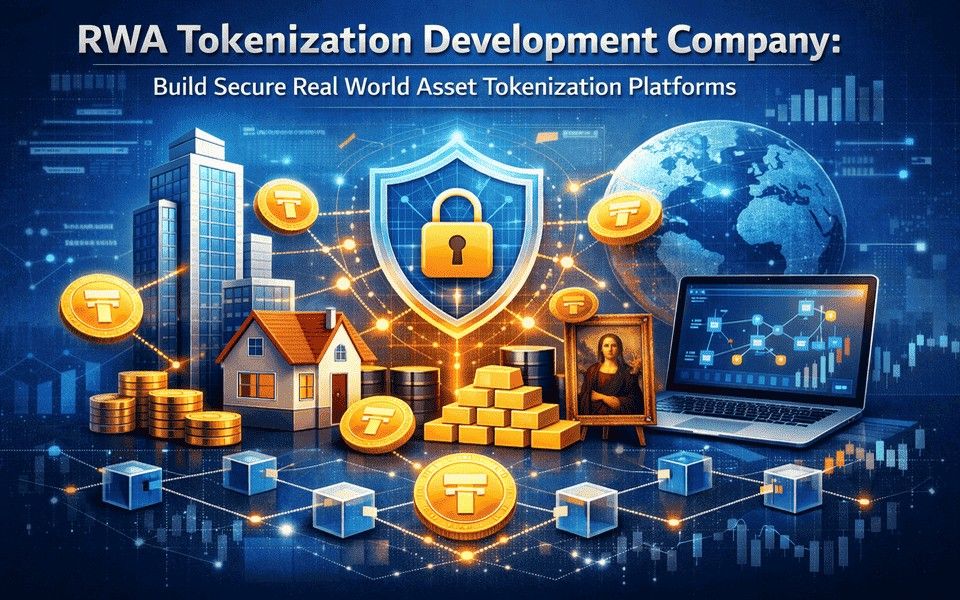
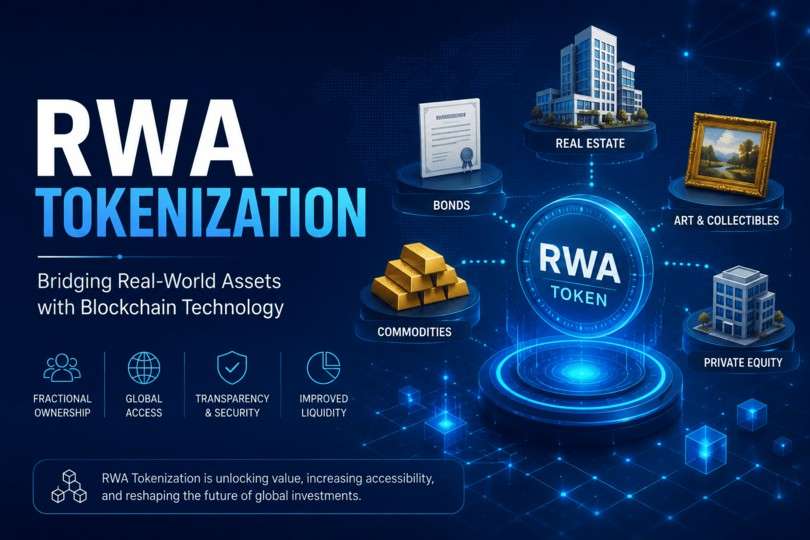
RWA tokenization platform development is the process of developing the digital infrastructure and application that converts physical, tangible, or intangible assets into digital tokens on a blockchain.
What Types of Assets are Commonly Tokenized Now?
Financial Assets: Government bonds, treasury bills, private credit and loans, equities and stocks, stable coins, trade
Tangible Assets: Real estate, commodities, luxury goods, and arts
Intangible Assets: Intellectual property and patents, music and royalty rights, carbon credits, and environmental assets
Industries That Benefit from RWA Tokenization
1. Real Estate
Real-estate tokenization means converting property value into digitalised tokens. It allows investors to receive some profit, enables 24/7market access, along with fractional ownership. Unlike traditional assets that are illiquid, it provides instant liquidity.
Because of this nature, tokenization of real estate assets becomes the second investment option. 80% of high-net-worth investors and 67% of institutional investors are already ready to implement real-estate tokenization by the end of this year. As the adoption rate increased by 9%, it is expected to reach $3.5 billion by 2033.
2. Supply Chain
The supply chain heavily depends on manual verification, documentation, and multi-party coordination. Due to inefficiencies in how the product moves from the manufacturers to the consumer, this sector loses $2.1 trillion annually.
However, the blockchain supply chain market is forecast to reach $12.41 billion by 2031.
To prevent any losses in the near future, firms are starting to invest in digital tokens, which means that goods or traditional documents, such as receipts and shipping contracts, are tokenized; each token has a unique QR code or RFID tag.
The product’s expiration date, manufacturing date, where it comes from, or how it was handled is known when the code is scanned, which lowers theft, making sure taxes and tariffs are tracked.
3. Commodities
Commodities such as gold, silver, and oil are allowed to claim a specific quality through digital tokens. This way encourages investors to buy a high-quality asset with minimal investment. As a result, the tokenized commodity market cap reached $7.37 billion in the first half of 2026.
In the entire commodity market, gold has a share of nearly 74%, which shows that a gold-backed token is the dominant one because of its stability, mixed with the flexibility of ownership. Tether Gold and Paxos Gold are the top 2 assets. Other commodities such as oil, silver, and other precious metals exist, but right now they are in their early stages.
4. Automotive
The automotive market was valued at $2.75 trillion and is expected to reach over $5.30 trillion by the end of 2031. The statistics show that the automotive industry is undergoing a serious change after the introduction of blockchain technology.
We can say that vehicles are not just machines anymore, but digital assets. Vienna, a car-sharing company, announced that it has tokenised more than 200 of its Tesla cars, allowing everyday investors to own part of the shares generated by the vehicles.
Emerging RWA categories
Apart from the above, there are additionally some assets that can be tokenized even though they are in earlier stages of adoption.
1. Private Equity and Venture Capital
Private equity and venture capital are investments in private companies that are not listed on the stock market. Only wealthy individuals or large institutions that meet certain financial requirements are allowed to invest.
Hamilton Lane's SCOPE Fund and KKR's Health Care Strategic Growth Fund have created tokenized investment funds.
2. Carbon Credits and Environmental Assets
A carbon credit is like a certificate that shows 1 ton of carbon dioxide has been reduced or removed from the environment.
Projects like Toucan Protocol and KlimaDAO started this idea, but many projects slowed down after the crypto market crashed. Now, large organizations are slowly becoming interested again.
3. Art and Collectibles
Expensive artworks, rare watches, vintage cars, and other collectibles can also be tokenized. Small digital tokens eliminate the need to invest millions in an entire painting. But the rules are still not clear in many countries. It is quite hard to sell these tokens immediately because there are only a few buyers.
For example, Masterworks lets investors buy fractional ownership of expensive paintings.
Real-world Asset Tokenization Example
One of the world's largest firms, BlackRock, introduced a digital fund(BUIDL). It takes traditional asset documents, such as government bonds, and converts them into digital blockchain tokens. Users started trusting this fund and started investing in it.
By May 2026, the company reached a total asset value of $2.5 billion, and BlackRock had paid more than $100 million in interest directly to investors' digital wallets. The token is then made compatible with multiple major blockchain networks, including Ethereum and Solana, which makes the fund highly accessible.
In Feb 2026, BUIDL became available for trading on Uniswap, making history as the first time a highly regulated, traditional Wall Street asset could be traded automatically on a public exchange without traditional brokers.
Final Thoughts
Tokenizing assets through RWA tokenisation paves the way towards a smarter and more connected economy. The integration of physical assets into the blockchain allows companies to streamline transactions, enhance trust, and attract more investors. With the increase in adoption of the technology, it plays a vital part in the innovation, growth, and success of different sectors.
If you are ready to launch your own project, a specialized RWA tokenization development company can help you build the platform that effortlessly turns physical assets into secure, compliant digital tokens.
Related Posts