
Stop Problems Before They Start: A Sydney Homeowner’s Guide to Preventative Plumbing
-

- July 29th, 2026
- 15 views

FREE SEO Topical Map Generator: Find Your Next Content Ideas
Sydney’s housing stock ranges from century-old terraces to brand-new apartments, and every one of them relies on pipework hidden behind walls. Once that network fails, repair bills mount quickly. The good news? Most plumbing surprises give subtle hints long before water ends up on the floor. Learning to spot and act on those early cues can keep budgets intact and homes dry.
Why Small Drips Turn Into Big Headaches
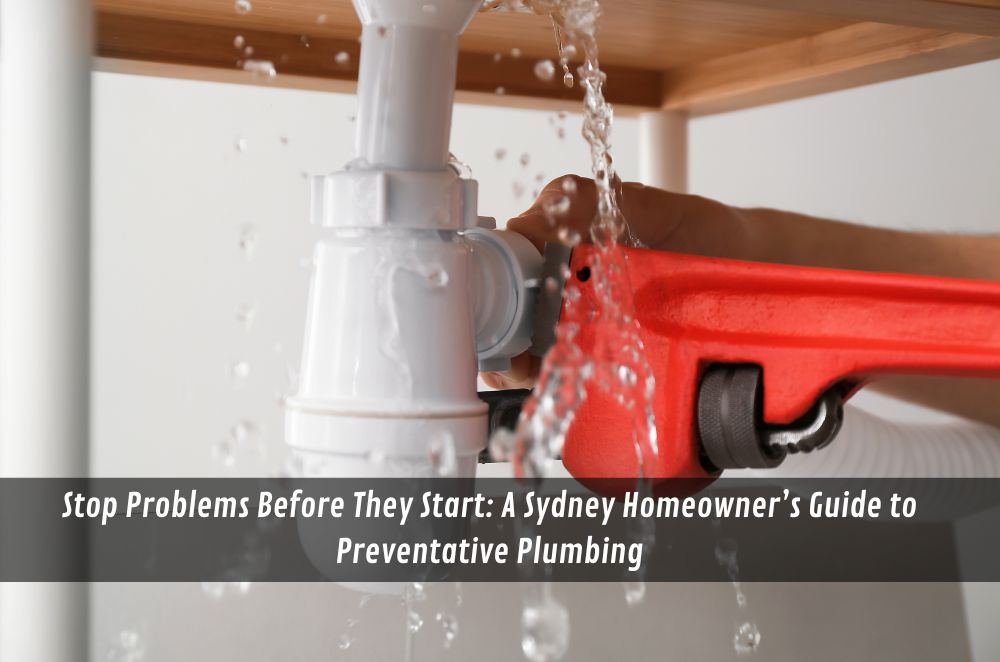
A tap that weeps a few drops an hour rarely feels urgent. Yet the moisture it leaves inside cabinetry breeds mould, warps timber and invites pests. Multiply that by days or weeks and the “cheap” delay turns into a full-scale replacement job. Booking periodic checks for professional plumbing services gives tradespeople a chance to tighten fittings, inspect flexi-hoses and pressure-test joints long before they blow out.
Less obvious but just as damaging is the silent leak inside a wall cavity. Copper pinholes start the size of a needle; capillary action pulls water downward, destroying plasterboard and skirting over months. Insurance often excludes gradual damage, leaving owners to foot the restoration bill. Catching issues early is almost always cheaper than remediation, even when a quick visit feels preventative rather than reactive.
The Everyday Habits That Keep Pipework Healthy
Drastic interventions aren’t the only protection. Routine habits make a noticeable dent in plumbing risk:
Gentle valve operation – Cranking taps fully open or slamming them shut stresses internal washers. A steady quarter-turn preserves longevity.
Seasonal hose inspections – Garden hoses left pressurised through summer days expand and contract. Releasing pressure after use prevents micro-fractures that later burst indoors when connected to washing machines.
Mindful drain use – Grease, coffee grounds and wet wipes harden or snag in pipe elbows. A simple sieve in the kitchen sink keeps solids out without lifestyle change.
Regular hot-water flushing – Once a month, filling sinks with hot water and releasing it all at once helps move settled sediment through ageing galvanised lines.
Front-loading small actions into weekly chores means never scrambling for towels at midnight.
Warning Signs Most Households Miss (and Why)
Not every symptom is obvious. Sydney’s mineral-rich water leaves faint rust-coloured rings around fixtures—often shrugged off as “just old plumbing.” In reality, these marks hint at corrosion inside steel or iron lines. Ignoring them sees pipes thinning until water pressure punches holes through.
Moist, musty cupboards after dish-washer cycles are another early signal. The machine’s drain hose might be loose, or the seal at the sink trap may have perished. Left alone, cabinetry swells, and an appliance that only needed a clamp now needs replacement shelves too.
Readers keen for a deeper dive into subtle indicators can review this breakdown of early plumbing checks that commonly rescue Sydney properties from expensive remediation. Spotting trouble early isn’t luck; it’s informed observation.
DIY or Pro? A Quick Comparison
Task |
Safe DIY Approach |
When It’s a Job for a Licensed Plumber |
Replacing tap washers |
Turn off mains, swap washer, test for drips |
Threads are stripped, mixer cartridges seized, or tapware under warranty |
Clearing a slow kitchen drain |
Use a sink plunger or bi-carb/vinegar flush |
Repeated blockages, foul odour, or gurgling elsewhere on the line |
Toilet continuously running |
Adjust float valve, check flapper seal |
Cistern cracks, water hammer, or flushing causes floor vibration |
Investigating high water bills |
Read meter, isolate potential fixtures |
Noisy pipes, unexplained meter movement with all fixtures off |
Simple tasks save call-out fees, but once symptoms suggest structural faults—hammering noises, rising damp, discoloured water—professional diagnostics pay for themselves.
When to Call in the Pros (and What to Expect)
Sydney’s Plumbing and Drainage Act mandates licensed work for anything beyond basic fixture maintenance. A reputable tradesperson provides:
Up-front scope – outlining inspection methods (camera line feed, pressure gauge tests).
Transparent reporting – photos or video footage highlight damage and justify recommended fixes.
Safety focus – isolating power when pumps sit in flooded crawl spaces, using drop-sheets to protect flooring, and disposing of contaminated materials responsibly.
Clear next steps – prioritising repairs so owners can stage work if budgets are tight.
Seasonal demand spikes during summer storms when stormwater drains clog with debris. Booking maintenance outside peak periods not only saves on emergency surcharges but also secures preferred time slots.
The Regulatory Backstop You Should Know
Licensed tradespeople follow the Plumbing Code of Australia—updated regularly to reflect water-efficiency and health standards. Homeowners can double-check compliance by referencing the official NSW Government plumbing guidance. It details certificate requirements, inspection obligations for new installations and how to raise concerns if workmanship falls short. Knowing your rights—and the plumber’s duties—keeps both parties aligned and projects on schedule.
Keeping Water Where It Belongs
Preventative plumbing isn’t glamorous, but neither is replacing swollen skirting or repainting mould-stained walls. A watchful routine, paired with timely professional input, saves thousands and preserves hard-won weekends otherwise spent cleaning up after leaks. The next time a tap drips or the meter spins faster than expected, treat it as useful feedback, not background noise. Your future self—and your home—will thank you.