OPEC Faces New Market Share Battle as Gulf Producers Increase Oil Output After Regional Conflict
-

- July 07th, 2026
- 33 views

FREE SEO Topical Map Generator: Find Your Next Content Ideas
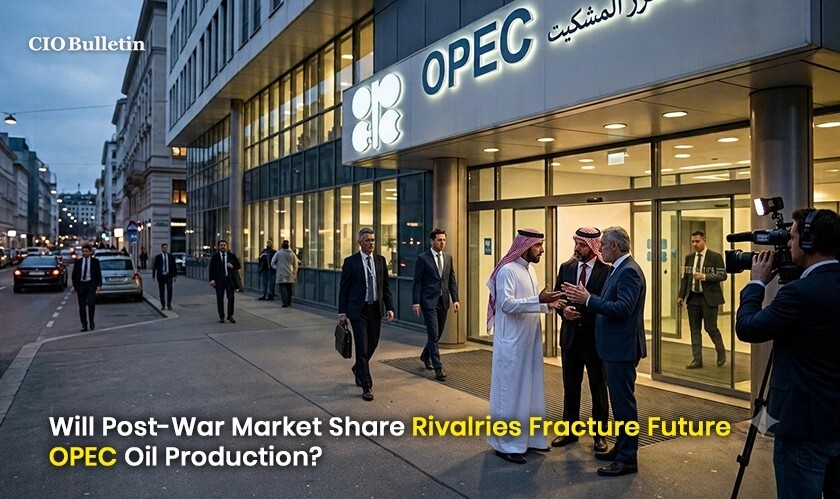
The global oil market is entering a new phase of competition as major Gulf producers accelerate crude production following easing regional tensions and the recovery of key export routes. As featured by CIO Bulletin, the latest developments are reshaping the balance of power within the energy sector, with oil-exporting nations prioritizing market share over higher prices. Analysts suggest that this renewed production race could redefine the role of OPEC and its allies while creating fresh challenges for global energy markets.
Following the reopening of shipping routes through the Strait of Hormuz, major Gulf exporters have rapidly increased crude exports, intensifying competition among producers. The changing market dynamics have already influenced oil prices, export strategies, and production decisions across the region.
Gulf Producers Shift Focus Toward Market Share
As oil exports normalize after months of geopolitical uncertainty, producers including Saudi Arabia, United Arab Emirates, Iraq, and Kuwait are increasing shipments to regain customers lost during the disruption.
Industry analysts note that the current strategy focuses on:
- Expanding export volumes
- Recovering lost revenues
- Securing long-term buyers
- Increasing global market share
- Strengthening competitiveness
Rather than limiting production to support prices, several Gulf producers are now prioritizing higher export volumes in an increasingly competitive market.
OPEC Faces Growing Internal Challenges
For decades, OPEC has influenced global oil prices by coordinating production among member countries.
However, recent developments have placed new pressure on the organization.
Challenges include:
- Diverging national production strategies
- Increased competition among exporters
- Pressure to maintain market relevance
- Balancing prices with production growth
- Growing output from non-OPEC producers
Some analysts believe OPEC's ability to coordinate production may become more difficult as individual countries pursue their own economic priorities.
Oil Prices Respond to Rising Supply
The increased production has already affected global crude markets.
Recent market movements include:
- Higher global oil supply
- Softer benchmark prices
- Increased price competition
- Lower official selling prices
- Greater availability for international buyers
Saudi Arabia has reduced official selling prices while OPEC+ recently approved another production increase, reflecting heightened competition among major exporters.
Asia Remains the Primary Battleground
Asian markets continue to represent the largest destination for Gulf crude exports.
Key importing countries include:
- China
- India
- Japan
- South Korea
As additional supplies reach the market, producers are offering competitive pricing to strengthen relationships with refiners and secure long-term contracts.
Recent reports indicate that China has increased purchases of Middle Eastern crude following lower prices and improved shipping conditions.
Recovery of the Strait of Hormuz Supports Exports
The gradual normalization of shipping activity through the Strait of Hormuz has played a critical role in restoring oil exports.
The waterway remains one of the world's most important energy corridors, transporting a substantial share of global crude oil and liquefied natural gas.
Improved shipping access has enabled Gulf exporters to:
- Resume large-scale exports
- Reduce delivery delays
- Improve supply reliability
- Rebuild customer confidence
Although traffic has improved, energy markets continue monitoring geopolitical developments closely due to the strategic importance of the route.
Competition Extends Beyond OPEC
The competitive landscape is no longer limited to OPEC members alone.
Global oil production continues expanding through:
- U.S. shale producers
- Brazil
- Canada
- Guyana
- Other non-OPEC exporters
This broader supply growth makes production coordination increasingly complex while reducing OPEC's traditional influence over global pricing.
Analysts suggest producers are now competing on efficiency, reliability, and pricing rather than production quotas alone.
Energy Transition Adds New Pressure
Long-term demand uncertainty is also influencing current production strategies.
Many oil-producing nations are accelerating exports while demand remains relatively strong, recognizing that the global transition toward cleaner energy may gradually reduce future oil consumption.
Governments are simultaneously investing in:
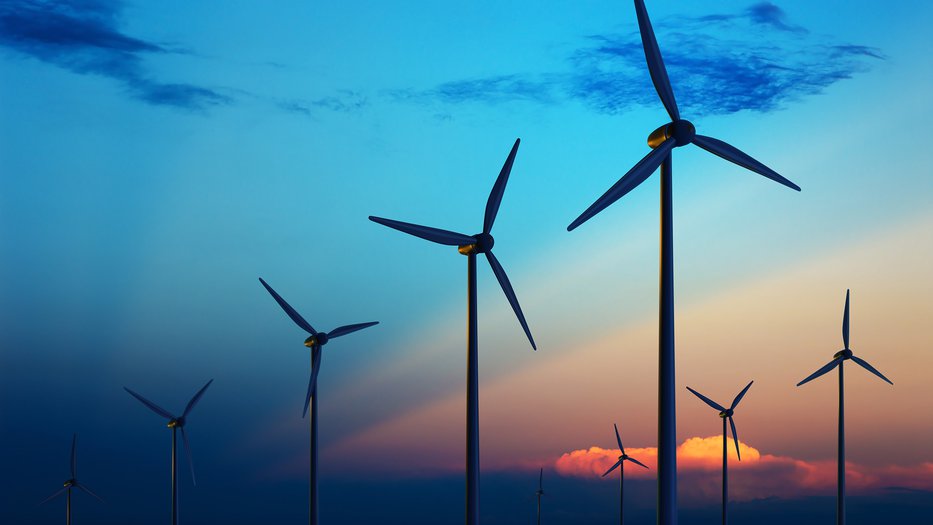
- Renewable energy
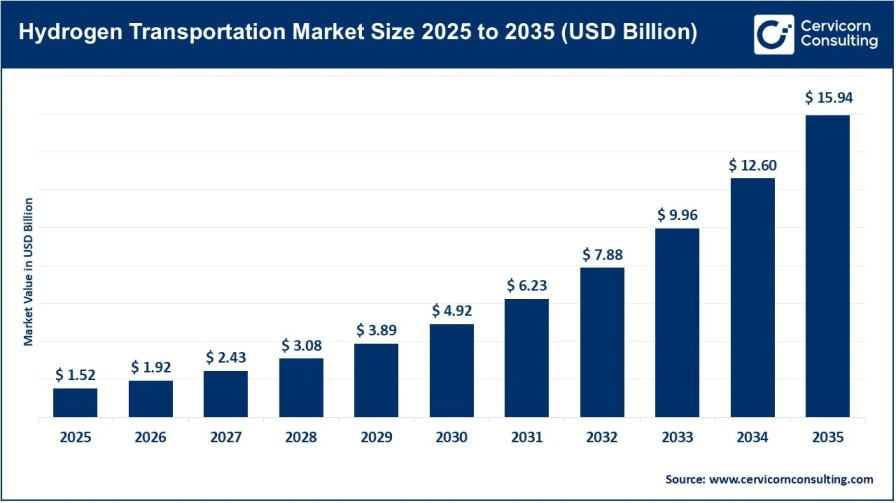
- Hydrogen projects
- Carbon capture technologies
- Economic diversification
- Industrial development
These parallel strategies illustrate how producers are balancing current fossil fuel revenues with long-term economic transformation.
What It Means for Global Markets
Higher production levels could provide several short-term benefits for oil-importing countries.
Potential impacts include:
- More stable fuel supplies
- Reduced price volatility
- Improved energy security
- Increased refinery access
- Stronger competition among exporters
However, prolonged oversupply may also reduce producer revenues and create additional financial pressure for oil-dependent economies.
Investors will continue monitoring both geopolitical developments and OPEC policy decisions in the coming months.
Looking Ahead
The global oil market remains highly dynamic.
Future developments will likely depend on:
- OPEC production decisions
- Global economic growth
- Oil demand recovery
- Geopolitical stability
- Energy transition policies
Whether Gulf producers continue prioritizing market share or eventually return to coordinated supply management will significantly influence oil prices throughout the remainder of the year.
Conclusion
The post-conflict recovery has triggered a new competition among Gulf oil producers as countries race to reclaim customers and expand global market share. While higher production supports export growth and strengthens supply chains, it also presents fresh challenges for OPEC's traditional role in balancing global oil markets.
As competition intensifies and the energy transition continues reshaping long-term demand, producers must carefully balance immediate revenue opportunities with sustainable market strategies. The coming months will determine whether increased output strengthens global energy stability or leads to another period of heightened price competition.
👉 Read the complete published article here: https://ciobulletin.com/oil-and-gas/opec-oil-production-gulf-post-war-race-market-share-2026
👉 Follow CIO Bulletin for the latest updates on global energy markets, oil and gas, geopolitics, digital transformation, and international business news.