How to Plan Your Budget Smartly for a Masters in Italy?
-

- July 20th, 2026
- 32 views

FREE SEO Topical Map Generator: Find Your Next Content Ideas
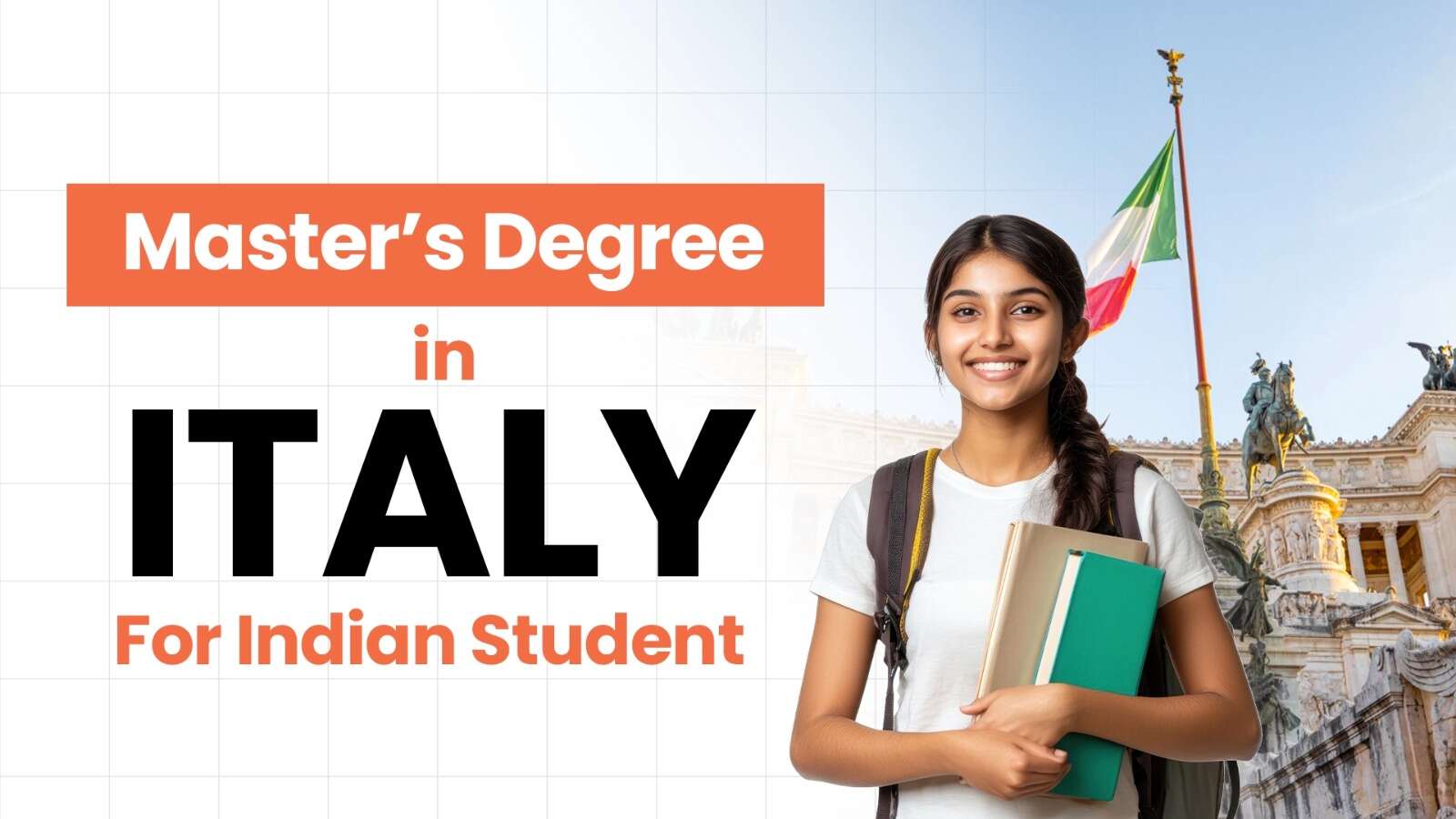
Planning your finances is one of the most important steps before beginning your Masters in Italy. Italy has become a preferred destination for international students because of its high-quality education, affordable tuition fees, rich culture, and excellent career opportunities. However, having a clear budget can help you enjoy your student life without unnecessary financial stress. Whether you are applying for admission or preparing for your visa, knowing your expected expenses will make your journey much smoother. Ooshas Global helps students understand every aspect of studying abroad, including budgeting, university selection, scholarships, and visa guidance. With the right planning, pursuing a Masters Degree in Italy can be both affordable and rewarding.
Why Budget Planning Matters Before Studying in Italy
Many students focus only on tuition fees, but studying abroad involves several other expenses. Planning your budget in advance helps you:
Avoid unexpected financial problems
Manage your monthly expenses comfortably
Prepare the required financial documents for your visa
Reduce unnecessary spending
Focus more on your studies instead of worrying about money
A well-planned budget gives you confidence throughout your study journey.
Understand the Total Cost of a Master's in Italy
Before applying, make a list of all expected expenses. These usually include:
Tuition Fees
The tuition fee depends on the university and course you choose. Public universities generally offer lower tuition fees than private institutions. Many universities also provide fee reductions based on family income. Always check the latest fee structure before submitting your application.
Accommodation
Housing is usually the biggest monthly expense.
Students can choose from:
University residences
Shared apartments
Private rental accommodation
Paying guest options
Sharing accommodation with other students can significantly reduce living costs.
Estimate Your Monthly Living Expenses
Apart from tuition fees, you should calculate your regular monthly expenses.
These may include:
Rent
Food and groceries
Local transportation
Mobile and internet bills
Study materials
Personal expenses
Entertainment and travel
Preparing a monthly budget helps you understand where your money is going and where you can save.
Apply for Scholarships
One of the biggest advantages of pursuing a Masters in Italy is the availability of scholarships. Many universities and regional authorities provide financial support to eligible international students.
Scholarships may cover:
Tuition fees
Accommodation support
Living expenses
Meal allowances
Additional educational benefits
Applying early increases your chances of receiving financial assistance.
BOOK YOUR FREE COUNSELLING NOW
Choose the Right City
The cost of living differs from one Italian city to another.
Large cities generally have:
Higher rent
Higher transportation costs
More entertainment options
Smaller cities often offer:
Affordable accommodation
Lower daily expenses
A peaceful learning environment
When selecting your university, compare both educational quality and living costs.
Plan Your Visa Expenses
Students should also include visa-related expenses in their budget.
These may include:
Student visa application fees
Health insurance
Document preparation
Translation and legalization of documents
Flight tickets
Keeping these costs in mind prevents last-minute financial surprises.
Work Part-Time During Your Studies
Many international students take part-time jobs while completing their Master's in Italy.
Part-time work can help cover:
Daily living expenses
Transportation costs
Personal spending
Extra savings
Besides financial support, part-time jobs also help students gain practical experience and improve communication skills. Always follow the work rules allowed under your student visa.
Save Money on Daily Expenses
Living smart does not mean compromising your lifestyle. Simple habits can help you save money every month.
Some useful tips include:
Cook meals at home regularly.
Use student discounts.
Purchase second-hand textbooks.
Use public transportation.
Share accommodation with classmates.
Plan your shopping in advance.
Avoid unnecessary subscriptions.
Small savings every month make a big difference over the course of your studies.
Keep an Emergency Fund
Unexpected expenses can happen at any time.
For example:
Medical emergencies
Laptop repairs
Emergency travel
Additional academic expenses
Having a separate emergency fund provides peace of mind throughout your studies.
Open a Student Bank Account
After arriving in Italy, opening a local student bank account can make managing your finances easier.
Benefits include:
Easy money transfers
Lower transaction charges
Convenient online banking
Better control over spending
Keeping track of your expenses becomes much simpler.
Use Budget Tracking Apps
Many students find it helpful to track daily expenses using budgeting apps.
These apps help you:
Record spending
Set monthly limits
Monitor savings
Avoid overspending
Even maintaining a simple spreadsheet can help you stay financially organized.
Think Beyond Your Studies
Planning your budget is not only about managing expenses during university.
A Master's in Italy also offers excellent long-term value through:
Internationally recognized degrees
Practical learning experience
Research opportunities
Industry exposure
Strong professional networks
Better career opportunities in global companies
Good financial planning allows you to focus on building your future rather than worrying about daily expenses.
Why Studying a Masters in Italy Is Worth the Investment
Many students choose Italy because it offers an excellent balance between quality education and affordability.
Some key benefits include:
Globally respected universities
Affordable tuition compared to many other European countries
Scholarship opportunities
Modern learning facilities
Diverse international student community
Rich cultural experience
Opportunities for internships and career growth
Access to the wider European job market
With careful budgeting, students can make the most of these advantages without placing unnecessary financial pressure on themselves.
Get Professional Guidance Before You Apply
Budget planning becomes much easier when you receive expert advice. From selecting affordable universities to identifying scholarship opportunities and preparing financial documents, professional guidance can save both time and money. Ooshas Global supports students throughout the admission process by helping them choose suitable universities, understand costs, apply for scholarships, prepare visa documentation, and confidently begin their journey toward a successful Master's in Italy.
Conclusion
Planning your budget smartly is one of the best ways to prepare for a Master's in Italy. Understanding tuition fees, accommodation costs, daily expenses, scholarships, and emergency savings allows you to study with confidence and peace of mind. Italy offers excellent education, valuable international exposure, and promising career opportunities. With careful financial planning and the right guidance, your dream of earning a Master's in Italy can become both affordable and rewarding.
Get in touch:-
Company Name: Ooshas Global
Phone no: +91- 98 7586 3347
Website: https://ooshasglobal.com
Email: [email protected]
Address : Mahalakshmi Chambers, 29, 1st Floor, BHIVE Workspace, Mahatma Gandhi Rd, near Trinity Metro Station, Bengaluru, Karnataka 560001.