How to Plan a Successful Mall Advertising Campaign
-

- July 29th, 2026
- 18 views

FREE SEO Topical Map Generator: Find Your Next Content Ideas
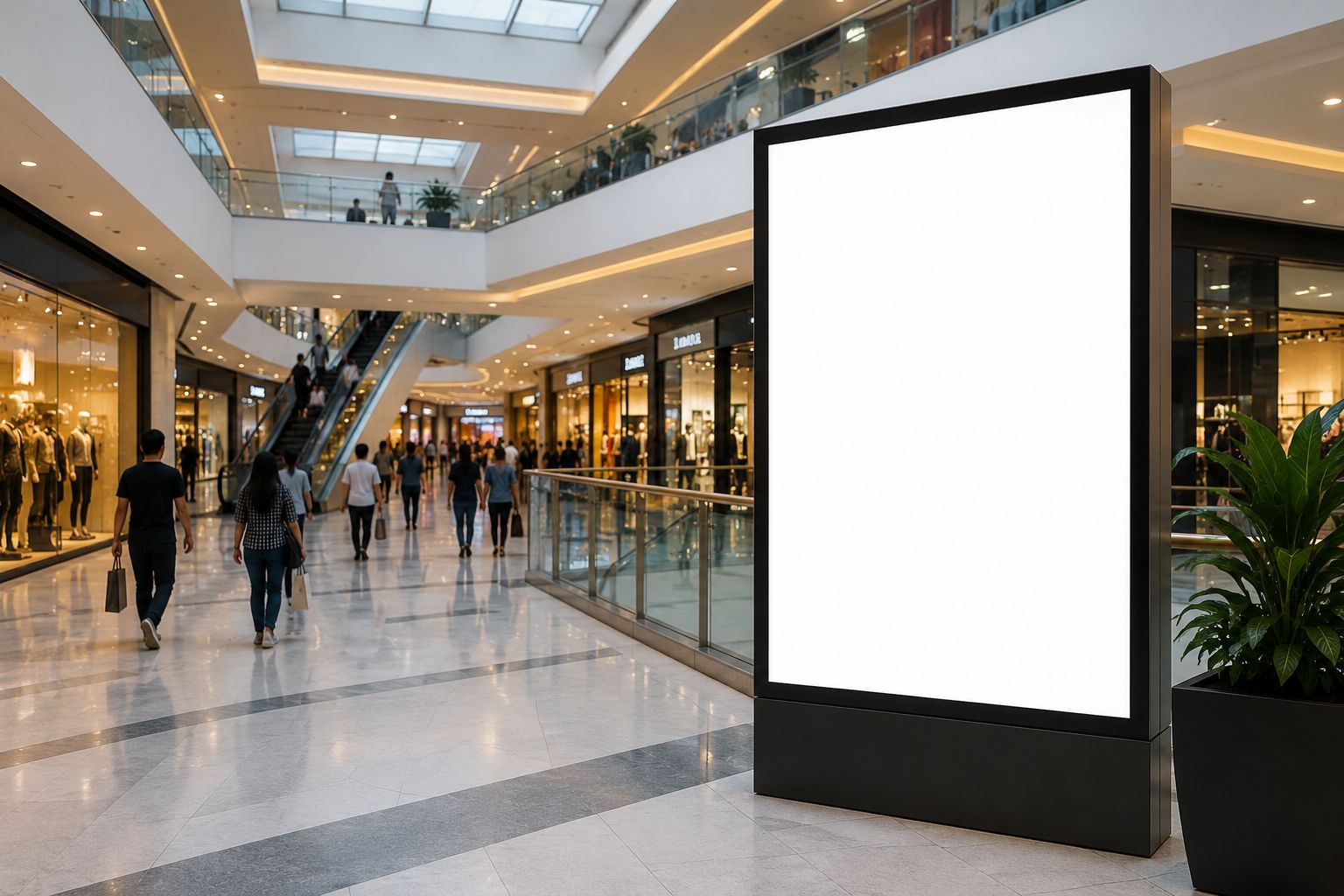
Shopping malls have evolved into more than just retail destinations. They are lifestyle hubs where people shop, dine, watch movies, attend events, and spend quality time with family and friends. With thousands of visitors walking through malls every day, they offer businesses an excellent opportunity to showcase their products and services to a diverse audience. This makes mall advertising one of the most effective ways to build brand awareness and engage potential customers in a high-footfall environment.
A well-planned mall advertising campaign can help brands capture attention, increase customer engagement, and influence purchase decisions. However, achieving these results requires more than simply placing an advertisement inside a mall. Businesses need to carefully select the right location, understand visitor behavior, create compelling creatives, and align the campaign with their marketing objectives. A strategic approach ensures that your advertising investment delivers maximum value.
If you're planning your next campaign, here are the essential steps to create a successful mall advertising strategy.
Define Your Campaign Goals
Every advertising campaign should begin with a clear objective. Knowing what you want to achieve helps determine the type of advertisement, campaign duration, and placement within the mall.
Some common campaign objectives include:
- Increasing brand awareness
- Promoting a new product launch
- Driving footfall to a retail store
- Highlighting seasonal offers
- Generating leads for a service
Having a defined goal also makes it easier to measure campaign performance and evaluate return on investment once the campaign is complete.
Understand Your Target Audience
Different malls attract different types of visitors. Some are popular with families, while others are frequented by young professionals, students, or luxury shoppers. Understanding who visits the mall helps you create advertisements that are more relevant and engaging.
Before selecting a mall, consider factors such as visitor demographics, shopping preferences, peak hours, and average footfall. If your target audience aligns with the mall's visitor profile, your campaign is more likely to generate meaningful engagement.
Choose the Right Advertising Format
Modern shopping malls offer a variety of advertising options that suit different campaign objectives and budgets. Instead of selecting a format based only on availability, choose one that best supports your message and attracts attention.
Popular mall advertising formats include:
- Digital display screens
- Escalator branding
- Atrium displays
- Kiosks and promotional booths
- Lift branding
- Food court advertising
- Hanging banners
The ideal format depends on your campaign goals, creative requirements, and the level of interaction you want with shoppers.
Select High-Visibility Locations
The placement of your advertisement plays a major role in determining its success. Even an attractive creative may go unnoticed if it is installed in a low-traffic corner of the mall.
Focus on areas where visitors naturally spend more time, such as entrances, escalators, atriums, food courts, cinema zones, and popular retail sections. These locations receive continuous footfall and provide greater opportunities for repeated exposure throughout the day.
A strategic location increases the likelihood that shoppers will notice and remember your brand.
Create Simple and Engaging Creatives
Mall visitors are surrounded by numerous visual distractions, from retail displays to promotional offers. Your advertisement should stand out without overwhelming the audience.
A successful creative should include:
- A strong headline
- High-quality visuals
- Minimal text
- Clear branding
- A simple call to action
Keeping the design clean and visually appealing allows shoppers to understand your message quickly while continuing their shopping experience.
Align Your Campaign with Shopping Seasons
Timing can significantly influence the success of a mall advertising campaign. Festivals, holiday seasons, school vacations, and end-of-season sales typically attract larger crowds, making them ideal periods for brand promotions.
Launching your campaign during these high-footfall periods increases visibility and gives your brand the opportunity to connect with shoppers when they are already in a purchasing mindset. Planning ahead also allows you to secure premium advertising spaces before demand increases.
Integrate Mall Advertising with Other Marketing Channels
Mall advertising becomes even more effective when it supports a broader marketing strategy. A shopper who notices your advertisement inside the mall may later search for your brand online or engage with your social media content.
To create a consistent customer experience, combine your mall campaign with:
- Digital advertising
- Social media marketing
- Search engine campaigns
- Outdoor advertising
- Influencer promotions
A multi-channel approach reinforces your message and improves overall brand recall.
Encourage Customer Interaction
Unlike many traditional advertising formats, malls provide opportunities for direct customer engagement. Brands can make their campaigns more memorable by encouraging interaction through product demonstrations, promotional booths, QR codes, contests, or free samples.
Interactive campaigns not only attract attention but also create positive brand experiences that are more likely to influence future purchasing decisions.
Monitor Campaign Performance
Measuring campaign performance is essential for understanding whether your advertising investment achieved its objectives. Tracking results also helps improve future campaigns by identifying what worked well and what can be optimized.
Useful performance indicators include:
- Store footfall
- Website traffic
- QR code scans
- Customer inquiries
- Promotional code usage
Analyzing these metrics provides valuable insights into customer behavior and campaign effectiveness.
Conclusion
Mall advertising offers businesses a unique opportunity to engage consumers in an environment where shopping and purchasing decisions naturally occur. By defining clear objectives, understanding your audience, selecting high-visibility locations, creating compelling creatives, and aligning campaigns with peak shopping periods, brands can maximize the impact of their advertising efforts.
When combined with digital marketing and other promotional activities, mall advertising becomes a powerful tool for increasing brand awareness, attracting potential customers, and driving business growth. With thoughtful planning and continuous performance evaluation, businesses can create successful mall advertising campaigns that leave a lasting impression on shoppers.