Can Strong Leg Muscles Help Protect Your Knees?
-

- July 22nd, 2026
- 16 views

FREE SEO Topical Map Generator: Find Your Next Content Ideas
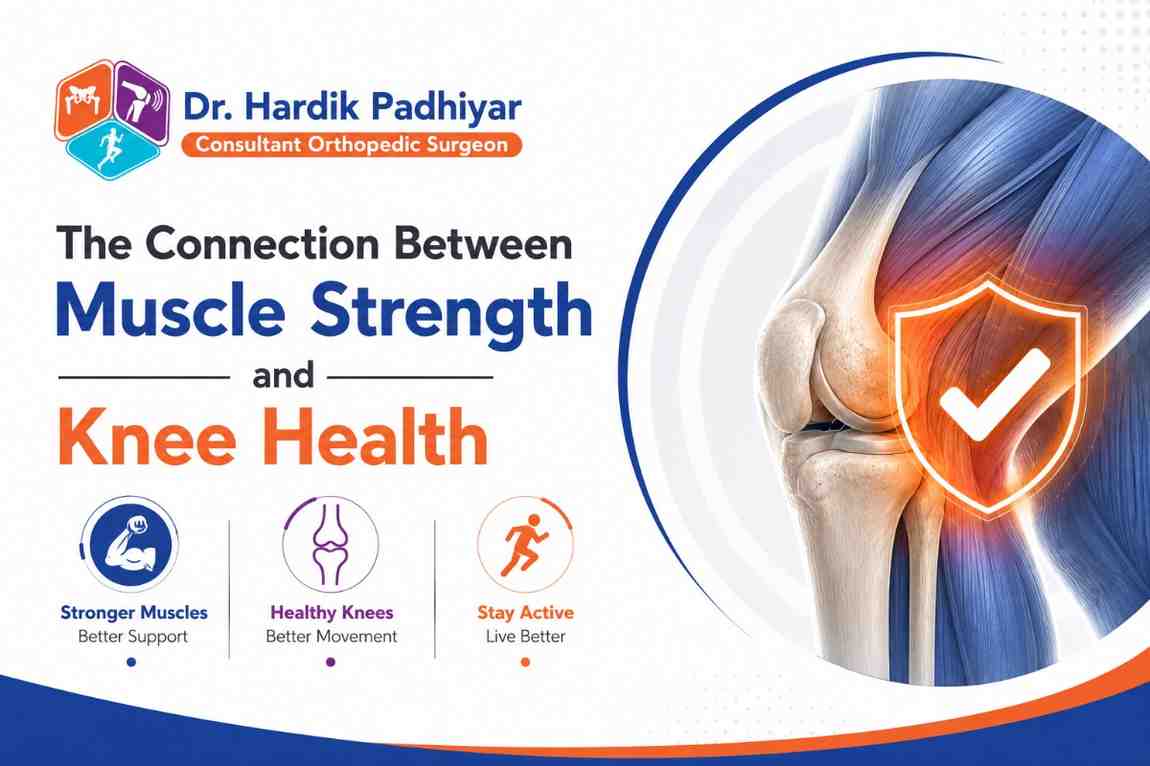
Understanding the Connection Between Muscle Strength and Knee Health
Introduction
Healthy knees are essential for walking, running, climbing stairs, exercising, and participating in sports. While many people focus on protecting their joints through careful movement, they often overlook one of the most important factors in knee health: muscle strength.
Strong muscles help stabilize the knee joint and reduce unnecessary strain during everyday activities. Individuals researching ACL Reconstruction in Ahmedabad are often surprised to learn that muscle weakness can contribute to knee problems and increase the risk of injury. Consulting an experienced orthopedic doctor in Ahmedabad can help identify whether muscle imbalance or an underlying structural issue is affecting knee function.
Why Muscle Strength Matters for Knee Health
The knee is one of the most heavily used joints in the body. Every step you take places force through the joint. Activities such as running, jumping, climbing stairs, and playing sports increase this load even further.
Strong muscles surrounding the knee act like a support system. They help absorb shock, improve balance, and distribute forces more effectively. When muscles are weak, more stress may be transferred directly to the ligaments, cartilage, and other structures within the knee.
Over time, this additional stress can increase the likelihood of discomfort, instability, and injury.
Which Muscles Support the Knee?
Quadriceps
Located at the front of the thigh, the quadriceps help straighten the knee and provide stability during walking, standing, and climbing stairs.
Hamstrings
The hamstrings are located at the back of the thigh and help control knee movement. They also support important ligaments within the joint.
Gluteal Muscles
Strong glute muscles improve lower-body alignment and help reduce unnecessary pressure on the knees during movement.
Calf Muscles
The calf muscles contribute to balance, shock absorption, and smooth walking patterns.
When these muscle groups work together efficiently, they create a stable foundation for healthy knee function.
How Weak Muscles Increase Injury Risk
Muscle weakness can affect the way your body moves and responds to physical activity.
Reduced Stability
Weak muscles may struggle to properly support the knee, making sudden movements more difficult to control.
Poor Balance
A lack of muscular strength can increase the likelihood of awkward landings or falls.
Increased Stress on Ligaments
When muscles fail to absorb movement forces effectively, ligaments may experience additional strain.
Faster Fatigue
Weak muscles tire more quickly, reducing their ability to protect and stabilize the knee during prolonged activity.
Why Athletes Focus on Strength Training
Professional athletes spend significant time strengthening their lower body because stronger muscles improve both performance and injury prevention.
Sports such as:
- Cricket
- Football
- Basketball
- Badminton
- Volleyball
- Running
place substantial demands on the knees. Strong muscles help support quick changes in direction, jumping, and landing safely.
Even recreational athletes can benefit from structured strength training programs designed to improve knee support.
Can Strength Training Help?
Yes. A well-designed exercise program can significantly improve muscle function and joint stability.
Potential benefits include:
- Better balance and coordination
- Improved knee stability
- Reduced injury risk
- Enhanced athletic performance
- Increased confidence during movement
- Improved overall mobility
However, exercises should always be performed using proper technique and appropriate resistance levels.
Knee-Friendly Exercises
Bodyweight Squats
Squats help strengthen the quadriceps, glutes, and supporting muscles around the knee.
Step-Ups
Step-ups improve balance, strength, and lower-body control.
Resistance Band Training
Resistance bands are useful for activating stabilizing muscle groups without placing excessive pressure on the joints.
Balance Exercises
Single-leg balance exercises help improve coordination and knee control.
Walking and Cycling
Low-impact activities such as walking and cycling can support joint health while improving muscular endurance.
Signs Your Knees May Need Professional Evaluation
While exercise is beneficial, some symptoms should never be ignored.
Consult an orthopedic doctor in Ahmedabad if you experience:
- Persistent knee pain
- Swelling after activity
- Knee instability
- Clicking or locking sensations
- Difficulty climbing stairs
- Reduced sports performance
- Repeated knee injuries
These symptoms may indicate an underlying structural issue requiring medical assessment.
Building Long-Term Knee Health
Maintaining healthy knees is not only important for athletes. Strong muscles benefit people of all ages by improving mobility, balance, and overall quality of life.
Simple habits can make a significant difference:
- Stay physically active
- Follow a consistent strengthening program
- Maintain a healthy body weight
- Warm up before exercise
- Address symptoms early
Taking care of your muscles today can help protect your knees for years to come.
Conclusion
Strong leg muscles are one of the most effective ways to support and protect your knees. They help improve joint stability, reduce unnecessary stress on ligaments, and enhance overall movement efficiency. While strength training cannot prevent every injury, it remains an important part of long-term knee health and injury prevention.
If knee pain, instability, or weakness continues despite regular exercise, professional evaluation is essential. Early diagnosis can help identify potential problems before they become more serious and affect your ability to stay active.
Concerned about knee weakness, instability, or sports-related injuries? Schedule a consultation with Dr. Hardik Padhiyar, an experienced orthopedic doctor in Ahmedabad, for expert guidance and personalized treatment recommendations.