Hybrid Living Spaces Are Revolutionizing Interior Design and Redefining Modern Homes
-

- July 21st, 2026
- 20 views

FREE SEO Topical Map Generator: Find Your Next Content Ideas
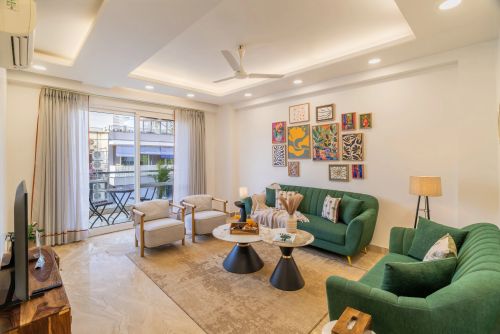
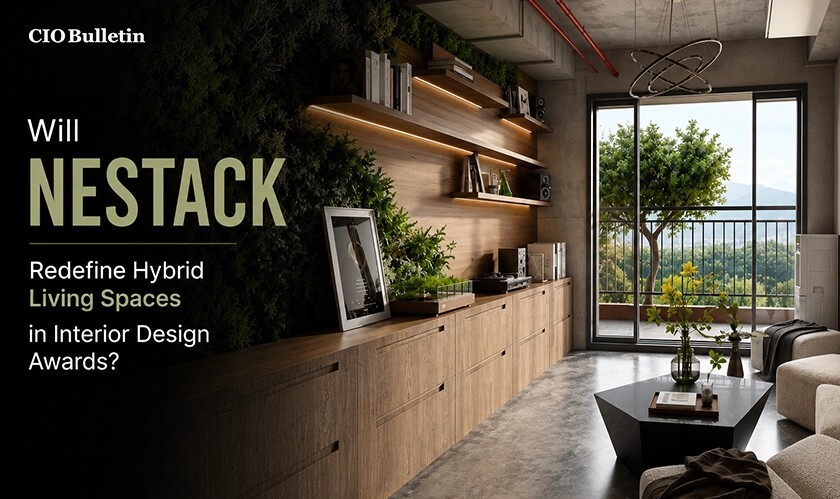
The way people live, work, and relax has changed dramatically over the past few years, and interior design is evolving just as quickly. Today's homes are no longer built for a single purpose—they are expected to function as offices, entertainment areas, wellness retreats, study rooms, and collaborative spaces all at once. This transformation has given rise to hybrid living spaces, one of the most influential trends shaping modern architecture and interior design. As featured by CIO Bulletin, hybrid interiors are becoming the new benchmark for innovation, functionality, and sustainable living while gaining increasing recognition in global interior design awards and architectural showcases.
Design professionals are increasingly moving away from rigid room layouts toward adaptable environments that maximize space without sacrificing comfort or aesthetics. Award-winning projects across residential and commercial architecture now emphasize flexibility, wellness, sustainability, and intelligent technology as essential elements of contemporary design.
The Rise of Hybrid Living
Traditional home layouts were designed around clearly separated rooms with fixed purposes. However, changing lifestyles have created demand for spaces that can easily transition throughout the day.
Modern hybrid homes often combine:
- Living rooms with home offices
- Dining areas with collaborative workspaces
- Guest rooms with fitness studios
- Bedrooms with reading lounges
- Kitchens with social gathering areas
- Outdoor spaces that function as additional living zones
This flexibility enables homeowners to make better use of available space while adapting to changing daily routines.
Interior Design Is Becoming More Adaptive
Today's interior designers focus less on creating static rooms and more on designing environments that evolve with occupants' needs.
Key characteristics of hybrid interiors include:
- Modular furniture
- Sliding partitions
- Hidden storage
- Multi-purpose layouts
- Flexible lighting
- Transformable workspaces
Recent award-winning residential projects have demonstrated how disappearing rooms, concealed furniture, and adaptable layouts can maximize functionality even within compact apartments.
Rather than increasing square footage, designers are improving how every square meter performs.
Hybrid Design Gains Recognition in Industry Awards
Leading architecture and interior design awards increasingly celebrate projects that successfully balance functionality, sustainability, and user experience.
Recent award-winning projects highlight:
- Adaptive reuse
- Community-centered spaces
- Flexible workplaces
- Biophilic environments
- Sustainable materials
- Mixed-use interiors
The growing recognition of hybrid environments reflects broader industry priorities that value innovation alongside human-centered design.
These awards demonstrate that modern interior design is no longer measured solely by appearance but also by usability, adaptability, and long-term value.
Technology Is Transforming Interior Spaces
Technology has become an essential component of hybrid living environments.
Smart home innovations now include:
- AI-powered lighting
- Intelligent climate control
- Voice-controlled automation
- Smart security systems
- Automated window treatments
- Energy management platforms
These technologies help homeowners personalize their environments while improving comfort, efficiency, and sustainability.
Artificial intelligence is also assisting designers by generating customized room concepts and accelerating visualization during the design process.
Wellness Drives Interior Innovation
Health and well-being have become major priorities in contemporary design.
Hybrid interiors increasingly incorporate:
- Natural lighting
- Indoor plants
- Quiet meditation areas
- Wellness rooms
- Improved air quality
- Ergonomic furniture
Biophilic design—which strengthens the connection between indoor environments and nature—has emerged as one of the defining characteristics of award-winning residential architecture.
Recent design projects emphasize natural materials, calming textures, and restorative spaces that promote emotional well-being.
Sustainability Shapes Future Homes
Environmental responsibility has become equally important.
Designers now prioritize:
- Recycled materials
- Energy-efficient lighting
- Low-carbon construction
- Water conservation
- Durable furnishings
- Circular design principles
Many award-winning interiors combine sustainability with aesthetics, proving environmentally responsible design can also deliver exceptional visual appeal.
Consumers increasingly value homes that reduce environmental impact while lowering long-term operating costs.
Flexible Furniture Maximizes Space
Furniture manufacturers are responding to changing lifestyles with products designed specifically for hybrid living.
Popular solutions include:
- Foldable desks
- Convertible sofas
- Expandable dining tables
- Modular shelving
- Hidden workstations
- Multifunctional storage
These innovations allow homeowners to transform spaces within minutes depending on daily activities.
Smaller urban apartments especially benefit from furniture capable of serving multiple purposes simultaneously.
Commercial Spaces Follow Similar Trends
Hybrid design principles extend beyond residential properties.
Modern offices increasingly feature:
- Flexible workstations
- Collaboration zones
- Quiet focus rooms
- Wellness areas
- Hospitality-inspired interiors
- Shared community spaces
Award-winning workplace projects increasingly emphasize adaptability, employee well-being, and multifunctional environments that support both collaboration and individual productivity.
Personalization Becomes Central
Modern homeowners increasingly seek interiors reflecting individual lifestyles rather than standardized designs.
Design trends now emphasize:
- Customized layouts
- Personalized color palettes
- Artisan craftsmanship
- Mixed materials
- Layered textures
- Individual expression
Luxury interiors are moving away from uniform minimalism toward richer, more personal environments that balance beauty with everyday practicality.
This shift allows homes to better reflect the personalities and evolving needs of those who live in them.
The Future of Hybrid Living
Interior design experts believe hybrid environments will continue evolving alongside advances in technology and changing work patterns.
Future innovations may include:
- AI-assisted room personalization
- Robotic furniture systems
- Adaptive lighting environments
- Intelligent space planning
- Digital twin home management
- Sustainable smart materials
Emerging research also suggests that smart homes will increasingly integrate conversational AI, robotics, and intelligent automation to create more dynamic and user-responsive living environments.
As cities become denser and lifestyles more flexible, hybrid interiors are expected to become the standard rather than the exception.
Why Hybrid Spaces Matter
Hybrid living is about more than maximizing square footage.
It enables homes to:
- Improve productivity
- Enhance wellness
- Support remote work
- Encourage social interaction
- Increase long-term flexibility
- Adapt to changing family needs
This evolution reflects broader societal changes where homes must support multiple aspects of everyday life simultaneously.
Conclusion
Hybrid living spaces are transforming the future of architecture and interior design by blending flexibility, technology, sustainability, and human-centered innovation into a single design philosophy. As homeowners seek environments that support work, wellness, entertainment, and family life, designers are creating adaptable spaces capable of evolving alongside changing lifestyles. Award-winning projects across the world demonstrate that the most successful interiors are no longer defined solely by aesthetics—they are recognized for improving the way people live, interact, and experience their surroundings.
As highlighted by CIO Bulletin, hybrid interiors represent one of the most exciting developments in modern design, proving that intelligent planning, sustainable thinking, and technological innovation can work together to create homes that are beautiful, efficient, and future-ready.
👉 Read the complete published article here: https://ciobulletin.com/architecture-and-interior-design/hybrid-living-spaces-revolutionize-the-interior-design-awards
👉 Follow CIO Bulletin for the latest updates on architecture, interior design, smart homes, digital innovation, sustainable living, and global technology trends.