Why Google Says You Don't Need Special Tricks to Win in AI Search
-

- July 28th, 2026
- 371 views

FREE SEO Topical Map Generator: Find Your Next Content Ideas
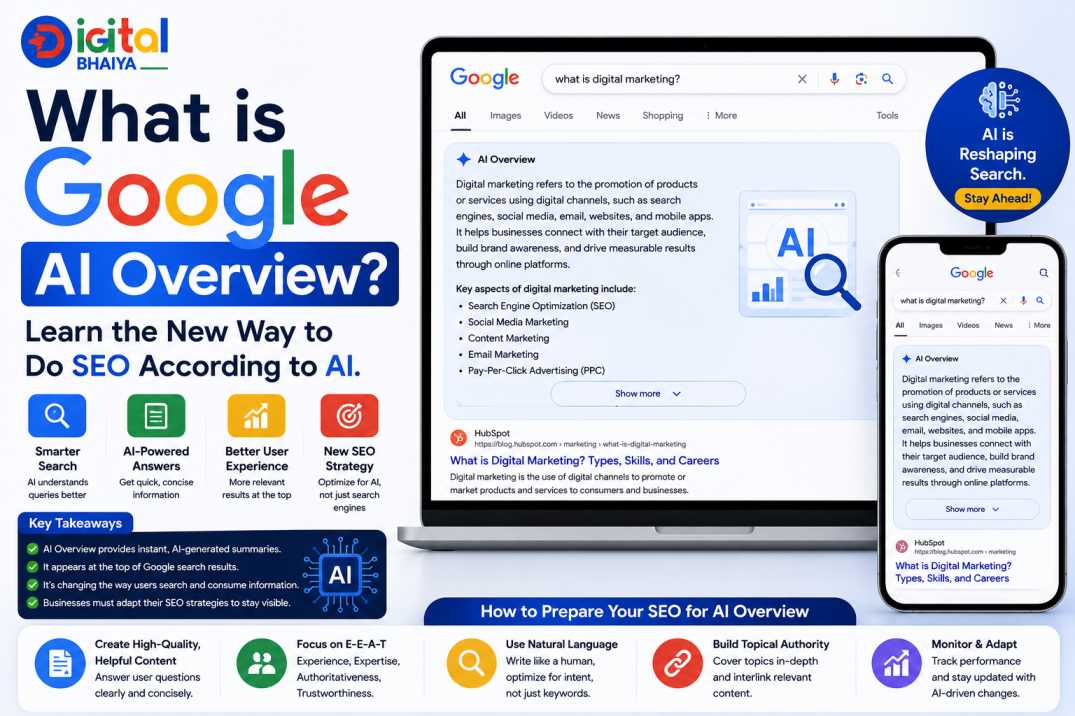
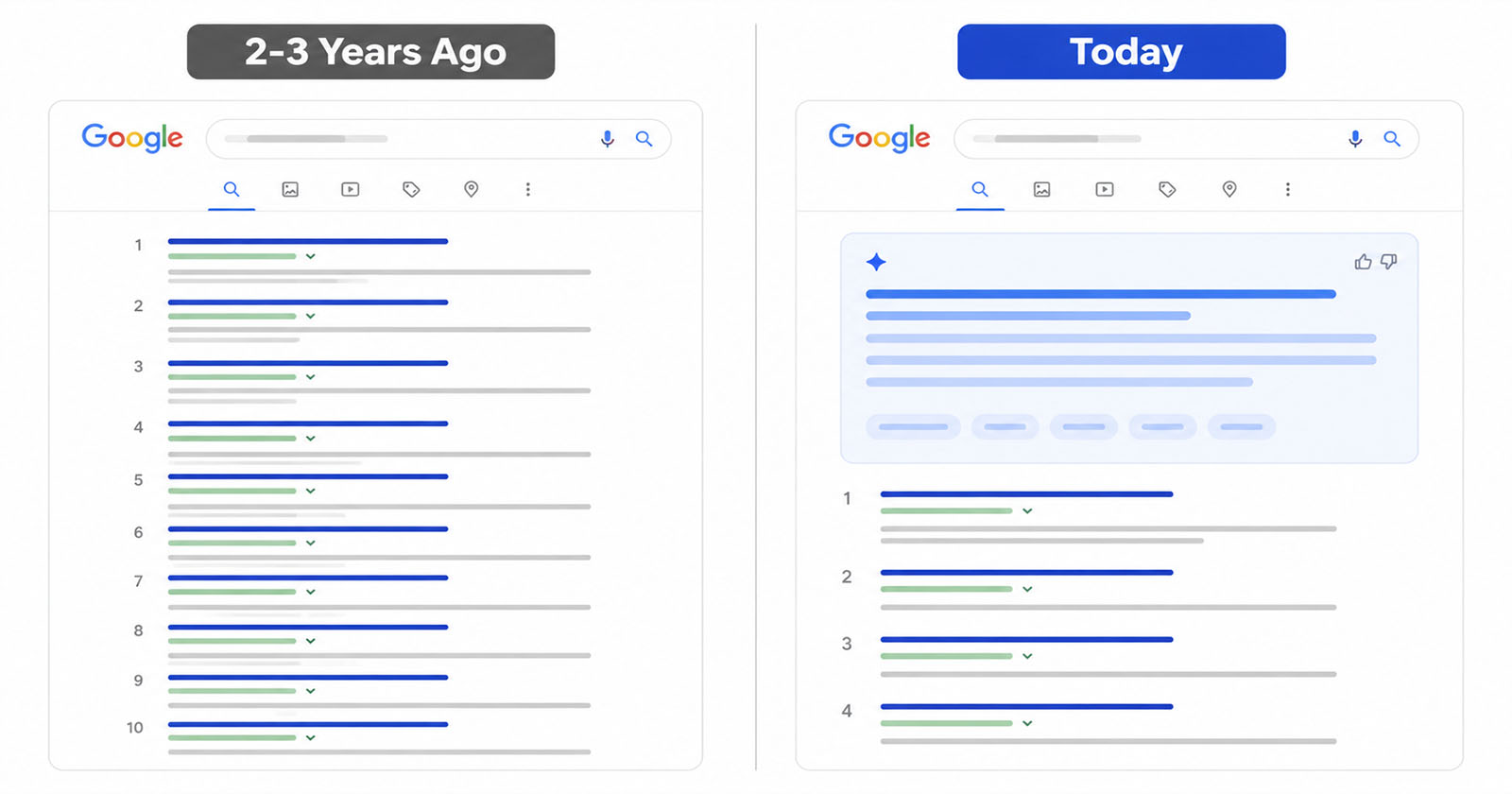
As a response to confusion around such notions as AI Overviews, AI Mode, and such new terms as AEO (answer engine optimization) and GEO (generative engine optimization), Google has launched a new document explaining what to do in order not to make any mistakes while optimizing for the new technology. It is called "Optimizing your website for generative AI features on Google Search" and, besides explaining what needs to be done, it gives practical examples of actions that need not be taken anymore.
This document should be useful to all those who try to understand what exactly needs to be done when talking about SEO.
AEO and GEO Aren't a New Discipline
The key takeaway here is Google’s view on nomenclature. Instead of viewing AEO and GEO as different specialties that necessitate their own set of tactics, Google sees optimization for its generative AI capabilities as nothing but an extension of optimization for search – meaning SEO. This is not a novel view; Google executives have said as much at industry events during the past year. The only difference is that Google has actually written this down in official documentation, giving marketers and businesses some solid material to go by instead of conference paraphrases.
Why does this matter? Because there are entire cottage industries emerging, selling "AEO services" and "GEO audits" as if these were different concepts entirely than regular SEO.
The Tactics Google Says You Can Skip
The most practically useful part of the guide is the "mythbusting" list, which clearly outlines some popular tactics that are unnecessary to show up on Google's AI products:
- llms.txt and other AI-specific markup files - Google does not think there is any need to make machine-readable or Markdown formats of the pages exclusively for artificial intelligence. Though Google can crawl many file formats, none receive any special treatment.
- Content chunking - breaking pages into small standalone fragments for AI consumption isn't required. Google says its systems can already parse multi-topic pages and pull out the relevant section on their own.
- Rewriting content specifically for AI - it is not necessary to compulsively include all possible variations of long-tail keywords or develop an artificial writing style because the Google algorithms will take care of this themselves.
- Pursuing inauthentic "mentions" through blogs, forums, and review sites - Google itself recognizes that AI capabilities do attract the attention of brands on other websites, but it maintains that creating such mentions is less effective than it may sound due to independent functioning of ranking and anti-spamming mechanisms.
- Special schema.org markup - No unique structured data is required just for AI visibility. Structured data is useful for normal rich results, but it's not a mandatory tool just for AI functionalities.
What makes this list special is that it actively contradicts suggestions made quite often within GEO-specific content. Many guides have stressed chunking and schema specializations as the best things to do to get noticed by AI. But Google recommends looking somewhere else.
What Google Recommends Instead
Instead of looking for AI-related loopholes, Google gets right to basics, but with a few twists for the modern age of artificial intelligence. The company highlights the importance of non-commodity content, which means the content that brings in a fresh and unique viewpoint instead of giving away a general tip that has been stated a thousand times before. Also, technical elements have their importance. Indexing, Semantic HTML, JavaScript SEO, page experience, and less duplicate content continue to be important.
Regarding local and ecommerce businesses, it is suggested by Google to keep Merchant Center feeds and Google Business Profiles updated because these contain product and local business information for AI-based response generation. This is why the guide is highly relevant for location-based small businesses that try hard to make themselves visible in the world of AI search. Local business owners who operate in highly competitive industries can work with SEO Experts In Brisbane to implement the suggestions from the guide effectively.
A New Section on AI Agents
This manual also outlines initial insights into what are referred to as "agentic experiences" — artificial intelligence-powered agents able to perform certain actions on behalf of the user, such as making a reservation or performing product comparison. Google claims these agents will be able to scan websites using the techniques of screenshots, DOM, and the accessibility tree, and refers to Universal Commerce Protocol (UCP) developed jointly with Shopify as a new standard that could become increasingly relevant in the future.
The Bottom Line
The Google guide brings all these bits of knowledge from different sources together into one concise reference and its basic idea is rather simple – do not overthink. The basics of good and unique content, as well as SEO performance, are still what make the content visible through AI-powered search, just like before. However, it should be noted that the guide is specific to Google’s own AI capabilities and other AI services like ChatGPT or Perplexity might consider some different signals.