Why Gas and Process Piping Systems Are Critical to the Future of UAE Manufacturing
-
- July 04th, 2026
- 36 views

FREE SEO Topical Map Generator: Find Your Next Content Ideas
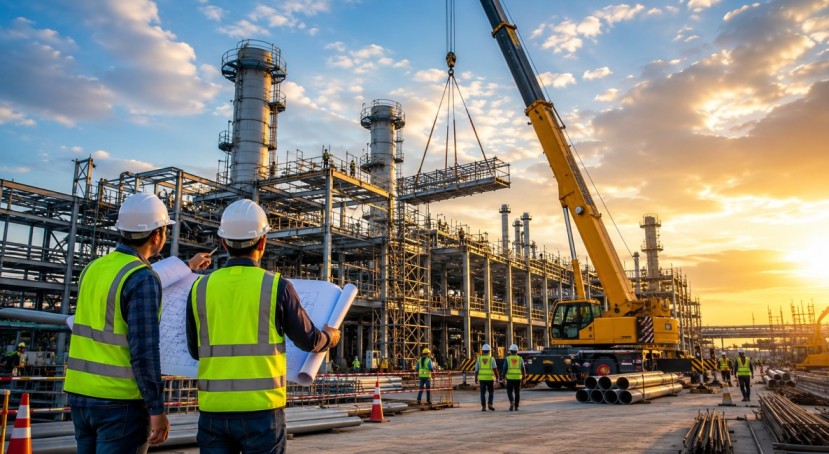
Rapid industrial expansion, technological innovation, and sustainability initiatives are reshaping the UAE's manufacturing sector. As facilities become increasingly sophisticated, the importance of reliable infrastructure—particularly gas and process piping systems—continues to grow.
Pipe networks facilitate the safe and efficient transport of gases, chemicals, steam, and other process fluids—rendering them essential to modern manufacturing operations. Modern industrial facilities rely on gas and process piping contractors to deliver infrastructure solutions that enhance operational reliability, support process efficiency, and accommodate future growth.
Industrial Infrastructure Beyond Construction
Many facility projects focus primarily on equipment and machinery during the planning phase. Long-term success of an industrial facility depends on the strength and quality of its infrastructure.
The functions of a plant include the following:
Carrying raw materials from one process unit to another
Supplying safe and efficient delivery of industrial gases
Providing process control
Enabling automation and monitoring systems
Securing production flow
Preparing for plant expansion
Modern operational equipment cannot operate as intended without a well-designed piping network.
The UAE's investments in hydrogen production, advanced food processing facilities, and industrial free zones are creating greater demand for scalable piping infrastructure capable of supporting future capacity growth.
Why Infrastructure Longevity Matters
Modern production facilities are typically designed for decades of operation. Decisions made at the outset of industrial plant development have long-lasting impacts over the facility’s lifespan.
Organizations increasingly evaluate piping infrastructure using the following criteria:
Costs
Maintainability
Upgradability
Efficiency
Reliability
This shift in mindset has increased the demand for engineers capable of designing reliable systems that meet both current and future needs.
The Strategic Importance of Gas Piping Systems
One of the most important infrastructure components contributing to long-term operational performance is the gas piping network. A wide range of industries in the UAE rely on gas pipeline systems to ensure smooth and efficient operations.
A professional gas piping contracting firm designs and installs systems that maintain safe, reliable, and efficient gas distribution throughout their operational lifespan.
These gases include:
Natural gas
LPG
Nitrogen
Oxygen
Hydrogen
Process gases
Compressed air
As more industries integrate advanced technologies into their production systems, a continuous supply of gases becomes essential, as any disruption can impact both manufacturing processes and equipment performance.
As a result, many modern pipelines are intentionally designed to allow for future expansion.
Process Piping and Industrial Productivity
Although gas piping meets energy and utility demands, process piping affects production processes.
A distribution network designed by a competent process piping contracting firm in the UAE helps move materials during manufacturing processes with the required operational specifications.
Process piping usually involves moving:
Chemicals
Process water
Steam
Cooling liquids
Foodstuffs
Pharmaceutical ingredients
Slurries
The performance of a process piping system is crucial for ensuring that manufacturing processes consistently meet specified operational standards.
As new manufacturing technology continues to develop, changes in production processes are expected in the operation of process piping systems.
Designing for Future Expansion
One of the major issues that factories face is growth management. Production requirements often change throughout the operational life of an industrial facility.
Facilities face:
Expansion of capacity
Upgrades to equipment
Diversification of products
Changes in process
Changes in regulations
Planning for such possibilities in the piping system can make this easier.
Issues to take into consideration are:
Addition of connections
Modular design
Flexible routing options
Excess capacity
Upgrade-ready design
Sustainability and Resource Efficiency
Sustainability forms one of the major priorities of the UAE’s industrial sector. Industries consistently strive to reduce waste and conserve energy.
Well-designed piping systems support sustainability objectives through:
Energy conservation
Efficient flow
Maintenance benefits
Fewer leakages
Thermal efficiency
Incremental upgrades to piping infrastructure can result in meaningful gains in efficiency, reliability, and resource conservation over time.
The Rise of Digital Industrial Infrastructure
The world of digitalization has transformed the way industries operate, and the UAE is no exception.
In today's manufacturing landscape, smart piping networks increasingly incorporate technologies such as IIoT sensors, SCADA integration, predictive analytics, and cloud-based monitoring platforms. These solutions provide continuous visibility into system performance and support data-driven operational decisions.
These technologies are integrated with piping systems to provide operators with real-time insights, enabling them to anticipate potential issues and prevent serious incidents.
With the adoption of Industry 4.0 concepts in industrial facilities, piping systems have evolved into proactive contributors to decision-making processes.
Process Tanks and System Integration
The industrial operation cannot just be based on the efficiency of each component acting individually. The storage tanks, mixers, pressure vessels, and pipelines should work together as a system.
System integration supports the following operational improvements:
Consistent process flow
Enhanced process control
Fewer disruptions in operation
Higher quality products
Easier maintenance planning
Integrated tank and piping systems improve process stability, reduce pressure fluctuations, and simplify maintenance scheduling.
Managing Risk Through Engineering
Risk management remains a primary concern across all sectors of industry.
Potential risks may arise from the following situations:
Corrosion
Pressure changes
Material degradation
Thermal Expansion
Flow Limitations
Compatibility problems
Addressing potential risks during the project’s design phase significantly reduces the likelihood of future issues.
This approach also ensures regulatory compliance while enhancing overall system performance.
Supporting the UAE's Industrial Vision
The UAE continues to invest in infrastructure diversification, advanced manufacturing, energy development, and sustainability initiatives to support long-term economic growth.
Some examples of the industries that are growing include:
Chemicals
Renewable energy projects
Food industry
Pharmaceutical manufacturing
Manufacturing technology
Water treatment
Infrastructure logistics
Piping systems play a vital role across all these industries.
As the complexity of the facilities grows, the demand for engineering experts increases.
In several UAE manufacturing facilities, piping networks initially designed for current production volumes required costly modifications within five years due to capacity expansion. Designing spare tie-in points during the initial construction phase can significantly reduce future upgrade costs.
FAQs
Q1. Why do people regard industrial piping systems as investments for a very long period of time?
In many cases, an industrial piping system lasts for several decades. The right selection of its components and proper installation help improve its operation and decrease expenses.
Q2. What services does a gas piping contracting company provide?
Gas piping contractors design, install, test, and maintain systems that safely transport industrial gases while ensuring compliance with applicable safety and operational standards.
Q3. Why do we need process piping in a manufacturing plant?
Process piping is essential for transporting raw materials, liquids, gases, and other substances between various stages of production. It supports process consistency, operational efficiency, and product quality throughout manufacturing operations.
Q4. How can modern piping systems aid digital transformation?
Modern systems frequently integrate sensors, monitoring tools, and automation to deliver real-time operational insights.
Q5. Is it possible to design industrial piping systems with future growth potential?
Yes. Modern industrial piping systems are often designed with spare capacity, modular layouts, and future connection points to accommodate facility growth and process upgrades.
Conclusion
As UAE industries continue investing in advanced manufacturing, clean energy, and digital transformation, piping infrastructure will remain a critical enabler of operational resilience. Facilities that prioritize scalable, intelligent, and efficient piping systems today will be better positioned to meet future production demands while maintaining safety, sustainability, and competitiveness.