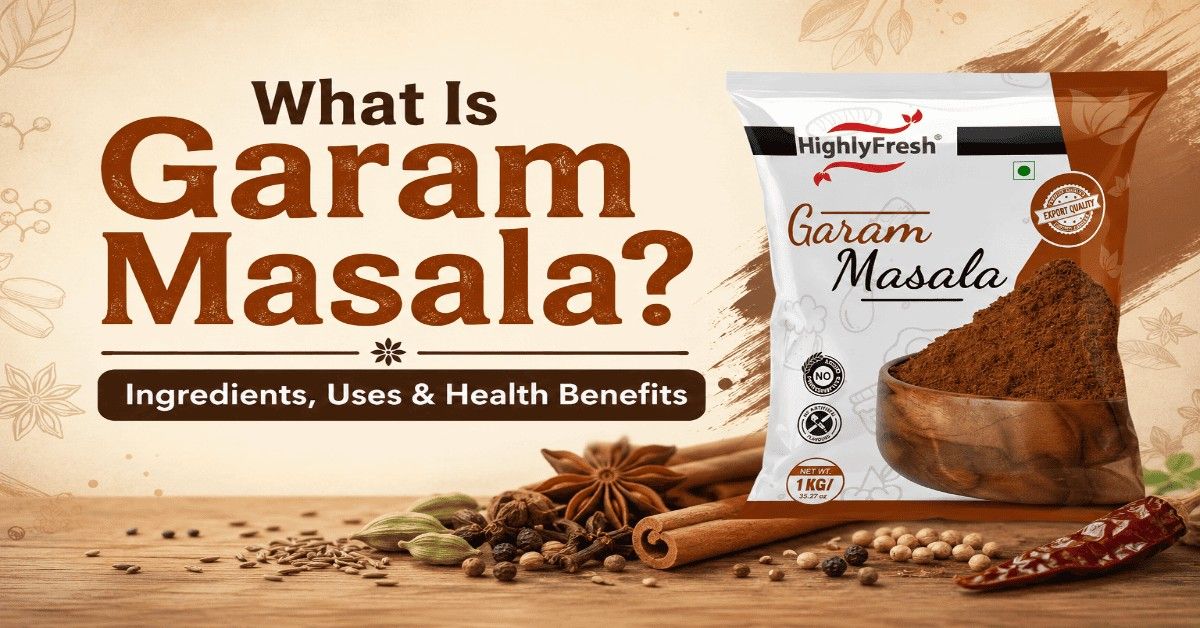
What Is Garam Masala? Ingredients, Uses & Health Benefits
-

- July 20th, 2026
- 51 views

FREE SEO Topical Map Generator: Find Your Next Content Ideas
Have you ever wondered why Indian curries, biryanis, and vegetable dishes have such a rich aroma? One of the main reasons is garam masala. This popular spice blend is a staple in Indian kitchens and is used to add depth, warmth, and flavor to food. Although it is called "garam" (warm), it does not necessarily make food spicy. Instead, it enhances the overall taste of a dish.
What Is Garam Masala?
Garam Masala is a traditional Indian spice blend made by roasting and grinding whole spices. Unlike turmeric or cumin, it is not a single spice. It is a combination of several aromatic spices that work together to give food a balanced flavor and pleasant aroma.
The word "garam" means "warming," which refers to the warming nature of the spices according to traditional Indian practices. It does not mean that the spice blend is hot or full of chilli.
Every family and region in India has its own version of garam masala. Some recipes are mild, while others have a stronger flavor depending on the spices used. Despite these differences, the purpose remains the same to make food more flavorful without overpowering the other ingredients.
Garam Masala Ingredients
The exact garam masala ingredients can vary, but most traditional recipes include the following whole spices:
- Cumin seeds
- Coriander seeds
- Black peppercorns
- Green cardamom
- Cloves
- Cinnamon
- Bay leaves
- Nutmeg
- Mace
Some regional recipes may also include fennel seeds, star anise, dried ginger, or black cardamom.
The spices are lightly roasted before grinding. Roasting helps release their natural oils, giving the spice blend its rich aroma and stronger flavor.
Why Is Garam Masala Used in Indian Cooking?
Many people think garam masala is added only for taste, but it does much more than that.
It brings different spices together into one balanced blend, making recipes more flavorful without needing large amounts of individual spices. Just a small quantity can improve the aroma of curries, lentils, rice dishes, soups, and even snacks.
Unlike many spice mixes, garam masala is usually added during the last few minutes of cooking. This helps preserve its fresh aroma and prevents the spices from losing their natural flavor.
Health Benefits of Garam Masala
There are several health benefits of garam masala because it contains spices that have been used in traditional cooking for generations.
Supports Healthy Digestion
Spices like cumin, coriander, and black pepper are commonly used to support digestion. They may help reduce bloating and make meals easier to digest.
Rich in Natural Antioxidants
Cloves, cinnamon, and black pepper naturally contain antioxidants that help protect the body's cells from everyday damage.
May Support Immunity
Many spices found in garam masala contain natural plant compounds that support overall wellness when included as part of a balanced diet.
Adds Flavor Without Extra Calories
If you're trying to reduce salt or oil in your meals, garam masala is a great choice. It adds plenty of flavor without increasing calories.
Makes Everyday Meals More Enjoyable
Good food isn't just about nutrition. A fresh and aromatic spice blend can make simple home-cooked meals more satisfying for the whole family.
Uses of Garam Masala in Cooking
There are many uses of garam masala in cooking, making it one of the most versatile spice blends.
You can use it in:
- Vegetable curries
- Dal and lentil recipes
- Paneer dishes
- Chicken and meat curries
- Biryani and pulao
- Soups
- Marinades
- Stuffed vegetables
- Dry sabzis
- Snacks like samosas and pakoras
A small amount is usually enough because garam masala has a concentrated flavor.
How to Use Garam Masala
Knowing how to use garam masala correctly can make a big difference in the final taste of your dish.
Here are a few simple tips:
- Add it during the last 2–3 minutes of cooking.
- Start with ½ teaspoon and adjust according to the recipe.
- Sprinkle a little over cooked curries before serving for extra aroma.
- Mix it into marinades for paneer, chicken, or vegetables.
- Avoid using too much, as it can overpower other flavors.
Using garam masala at the right time helps you enjoy its full aroma and taste.
How to Make Garam Masala at Home
Learning how to make garam masala at home is easier than many people think.
Ingredients
- 4 tablespoons coriander seeds
- 2 tablespoons cumin seeds
- 1 tablespoon black peppercorns
- 8 cloves
- 5 green cardamom pods
- 2 cinnamon sticks
- 2 bay leaves
- A small piece of nutmeg
- 1 teaspoon mace
Method
- Dry roast all the whole spices over low heat.
- Stir continuously until they become fragrant.
- Allow the spices to cool completely.
- Grind them into a fine powder.
- Store the powder in a clean, airtight container.
Homemade garam masala often has a fresher aroma because it is prepared in small batches.
How to Store Garam Masala Properly
Knowing how to store garam masala properly helps maintain its freshness for a longer time.
Follow these tips:
- Keep it in an airtight glass or food-grade container.
- Store it in a cool and dry place.
- Keep it away from direct sunlight.
- Always use a dry spoon.
- Close the container immediately after use.
Ground garam masala usually stays at its best for about 6 to 8 months, while whole spices last much longer.
Conclusion
Garam Masala is much more than a simple spice blend. It brings together carefully selected spices that add aroma, flavor, and character to everyday meals. Whether you're preparing a simple dal, a vegetable curry, or a festive biryani, using the right amount of garam masala can make a noticeable difference. By understanding its ingredients, health benefits, proper use, and storage, you can enjoy better-tasting food every time. If you want consistent quality for your home or business, Fortune Exicom, a trusted Food Manufacturer and Exporter, offers premium food products that meet high standards for quality and reliability.
Frequently Asked Questions
1. Can I use garam masala every day?
Yes. When used in normal cooking quantities as part of a balanced diet, garam masala can be enjoyed every day.
2. Is garam masala spicy?
No. It is more aromatic than spicy. Most blends do not contain red chilli powder.
3. Can I use garam masala instead of curry powder?
Not always. Both have different ingredients and produce different flavors in recipes.
4. Does homemade garam masala taste better?
Freshly ground homemade garam masala usually has a stronger aroma because the spices are roasted and ground just before use.