How to Arrange Transport for a Funeral Service
-

- July 03rd, 2026
- 33 views

FREE SEO Topical Map Generator: Find Your Next Content Ideas
Organising transportation for a funeral is more than simply going from one location to another; it's about honouring a life, uniting people, and making a dignified send-off. The journey is a crucial element of the day, giving friends and family a chance to think in quietness and support one another. While the traditional limousine and hearse are still a well-known and respectable option, many families are now searching for choices that showcase a loved one's distinct personality, ranging from motorbike hearses to horse-drawn carriages. Regardless of the mode of transportation selected, the goal is to guarantee that the logistics are handled with care, enabling mourners to concentrate on remembrance without the strain of navigating or parking. Everyone participating in the funeral will have a pleasant and supportive experience thanks to a well-thought-out transportation plan, which may also include a Funeral Minibus Hire to keep larger groups together.
Select the Best Cars
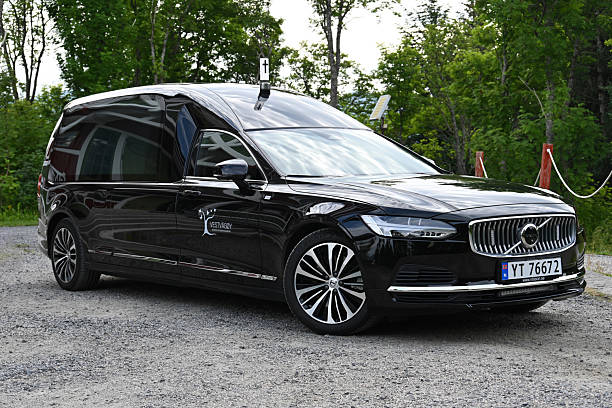
The most crucial decision in funeral transport planning is selecting the cars. The most classic option involves a hearse carrying the casket, trailed by one or more limousines for the close relatives. This continues to be the most practical and appropriate decision for many. However, more and more options are becoming available to commemorate a loved one in a more individualised manner. Horse-drawn hearses provide a timeless and magnificent tribute, especially well-liked by those who have strong ties to tradition or the countryside. A motorcycle hearse might be a strong option for a biker or someone who enjoys their freedom. VW campervans, traditional vehicles, and even a walking burial for a gentle, intimate procession are further options. A specialist provider can be found with the assistance of your funeral director, who can also let you know what is offered.
Considering the requirements of your visitors
It is important to keep in mind how the guests and family will commute. Other family members and friends may have to get there on their own, which may increase the stress of an already emotional day, even if a limousine is frequently offered for the immediate family. You can set up group transportation for guests to prevent this. Especially for those coming from out of town or to a cemetery far from the service, hiring a minibus is a wonderful way to keep groups together and on schedule. Everyone may arrive feeling supported and worry-free about negotiating unfamiliar routes or finding parking thanks to this.
Booking a Minibus for Grievers
Arranging a minibus might be a kind and useful gesture for larger family gatherings or groups of friends. A funeral bus hire provides a dignified option to transport several guests together, ensuring that nobody is left to be concerned about parking or traffic on a difficult day. Although the expenses for such a service will vary according to the size of the car, the distance, and the length of the rental, it does offer a budget-friendly substitute for several taxis. When making these arrangements, seek out a trustworthy provider who can supply pleasant, clean vehicles, professional drivers, and the flexibility to accompany the funeral cortege. To make sure they know the speed and seriousness needed for funeral processions, it is a good idea to inquire about the driver's experience with them.
Organising the Funeral March Route
The cortege, or funeral procession, is the fleet of cars that follows the hearse from theatorium or funeral to the burial or crematorium. The trip itself may be a significant component of the remembrance. Take into account these important considerations when planning:
Unique Places: Is there a special location you want the hearse to drive by, like the deceased's home, place of work, or favourite location?
Distance and Timing: Careful planning is necessary for a longer path with a slow-moving vehicle, such as a horse-drawn hearse.
Coordination: Your funeral director will manage the logistical details of the route. However, if you would like to invite others to line the streets, make sure the procession time is clearly communicated.
Funeral Transportation Etiquette
In the United Kingdom, it's worthwhile to be aware of some unspoken regulations of the road regarding funeral processions.
For the cars that are part of the procession:
Maintain a close, safe gap between automobiles to remain together.
Numerous drivers use dipped headlamps to indicate their membership in the cortege.
Funeral corteges are not allowed to cross red lights. Traffic signs must be followed by automobiles.
When a hearse passes, pedestrians and other road users frequently stop or slow down as a sign of respect, as a polite act.
Conclusion
Organising general transportation is a crucial expression of concern. You may plan a trip that is considerate, easy, and very personal by carefully considering the deceased's wishes, the family's needs, and the realities of the day. The goal is always to enable everyone to pay their respects with grace and without any extra stress, whether you decide to use the logistical support of a Funeral Bus Hire for guests, the unique statement of an alternative vehicle, or the classic dignity of a traditional hearse. Ultimately, a carefully arranged transport arrangement offers a last, appropriate monument and helps maintain the emphasis on support and remembrance.